
Abatement Technologies Air Duct Cleaning in Santa Clara: A Homeowner’s Guide
Abatement Technologies air duct cleaning in Santa Clara uses negative air machines originally engineered for hospital isolation wards and asbestos containment. The equipment operates at airflow ratings two to three times higher than consumer-grade duct vacuums, which translates to deeper debris extraction from residential duct systems. If you’re evaluating duct cleaning companies in the South Bay and want to understand why the machinery matters, this guide breaks it down. If you’d rather skip the technical detail and get a straight answer about your home’s ducts, call (855) 550-3778 for a free estimate.
What Makes Abatement Technologies Equipment Different?
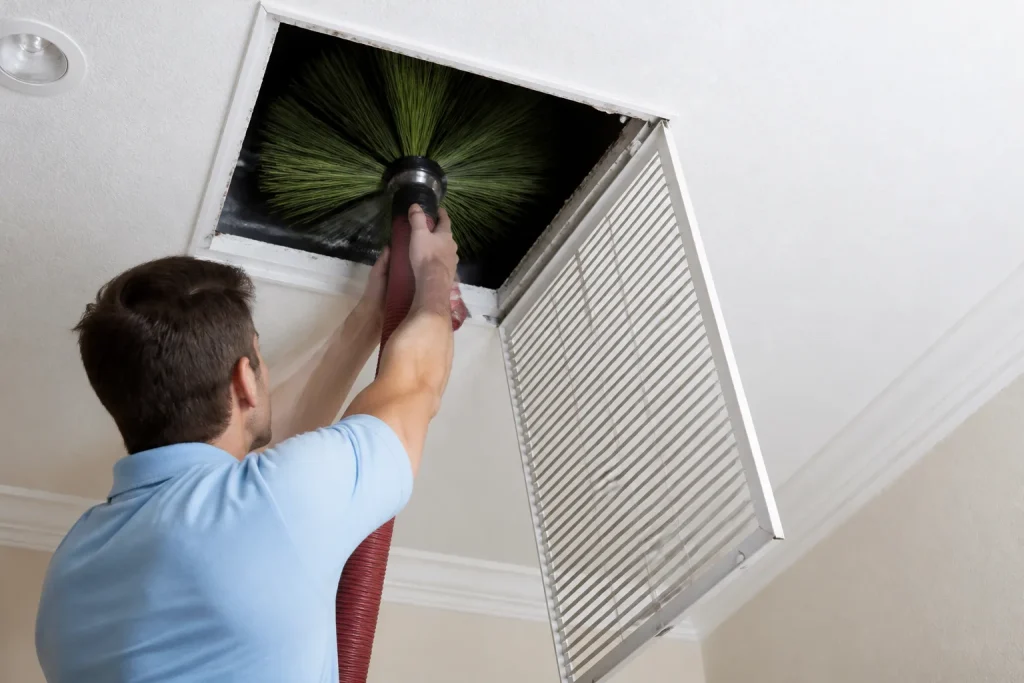
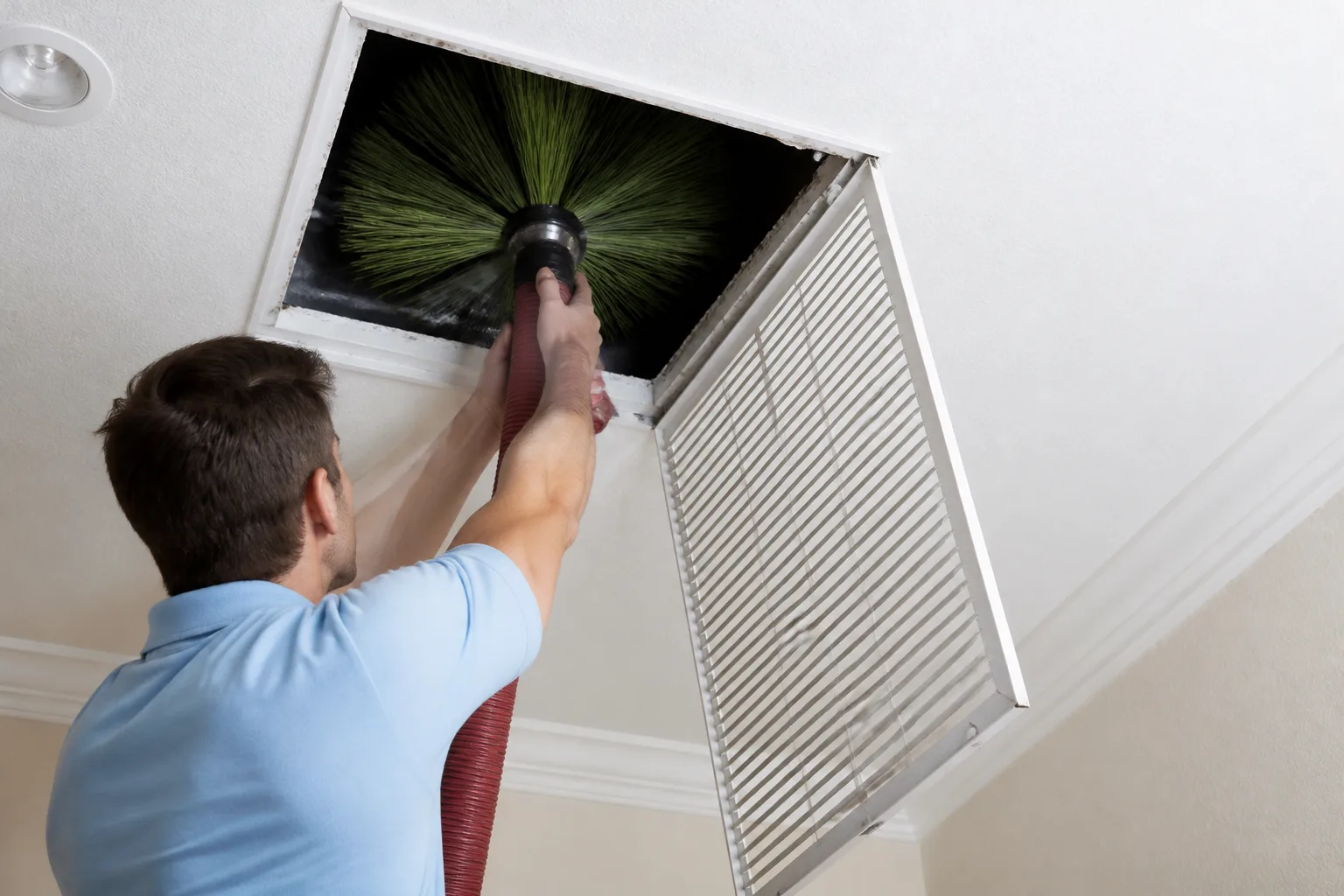
The vacuum unit sitting in a duct cleaning van tells you more about job quality than any before-and-after photo. Most residential duct cleaning outfits run portable electric vacuums that pull somewhere between 400 and 800 cubic feet per minute (CFM) of airflow. Abatement Technologies negative air machines, the same class of equipment used in mold and asbestos remediation, move 1,500 to 2,000 CFM or more. That’s not a marginal difference. It’s the difference between removing dust from the first ten feet of ductwork and pulling debris out of the entire trunk line and branch runs.
Here’s what that airflow spec actually means in a Santa Clara home. Your return duct system is under negative pressure when the HVAC runs. Loose debris settles in the trunk line, especially in low points and elbows. A low-CFM vacuum creates enough suction to capture fine dust near the access point but loses velocity as it fights the resistance of long duct runs, bends, and transitions. Static pressure builds, airflow drops, and the technician ends up running a brush through the ducts with weak extraction behind it. The brush knocks debris loose. The weak vacuum fails to capture it. Some of it stays in the duct. Some of it drifts into the living space through supply registers.
A remediation-grade negative air machine holds suction over the entire run. The higher CFM rating means the system maintains enough velocity at the farthest register to keep loosened debris moving toward the collection point. This is the unit’s real job: containing what the agitation releases. Without adequate airflow, a duct cleaning is just dust reshuffling.
What HEPA Filtration Means at the Machine Level
There’s a difference between a HEPA filter on a shop vac and HEPA filtration integrated into a negative air machine designed for containment work. A typical consumer shop vac with a HEPA filter filters air after it passes through the motor, capturing fine particles in a canister that holds fifteen or twenty gallons. That works for spot cleanup. It does not work for continuous, whole-house duct extraction.
Abatement Technologies units pair high CFM airflow with staged filtration: a pre-filter for larger particulate, then a true HEPA filter rated to capture 99.97% of particles at 0.3 microns. In a duct cleaning context, that matters because of what the machine is processing. When we agitate duct interiors in an older Santa Clara home, we’re not just collecting dust. We’re collecting what has settled in the return and supply lines over decades: construction drywall dust from a 1990s remodel in Willow Glen, soot residue from wildfire seasons going back to the Loma and Croy fires, pet dander, and in some cases, microbial spores that grew in the dark, cool return plenum.
The distinction is this: a weak vacuum with a HEPA filter still leaves debris in the ductwork because it lacks the airflow to extract it. A powerful machine without proper filtration blows captured particles back through its exhaust. A negative air unit with both high CFM and staged HEPA filtration removes the material and contains it. That’s the standard homeowners should be asking about. The equipment does the work. The filter rating only matters if the machine behind it can actually pull the debris out.
Why Santa Clara Homes Need This Caliber of Equipment
Santa Clara’s housing stock runs a wide range: 1950s Eichler-inspired builds in the central city, 1970s and 1980s tract homes near the border with Sunnyvale, and newer construction in the Rivermark and North San Jose corridors. What they share is eight months of dry weather per year, seasonal wildfire smoke, and a tradition of running HVAC systems with windows closed through the warm season.
Post-wildfire smoke is the clearest case. When the SCU Lightning Complex or a distant Sierra fire dumps particulate into the South Bay air basin, a home’s HVAC system acts as a passive collector. The blower pulls smoky air through the return registers. Fine particulates settle in the return ducts, collect on the blower wheel, and pack into the evaporator coil. A standard portable duct vacuum struggles with this fine, greasy soot because it compacts under humidity. A negative air machine with serious airflow moves it out. In our experience, homes that ran their HVAC during the 2020 fire season held measurable soot in the return trunk lines well into 2021.
Renovation debris is a second use case. Older homes in Willow Glen and the Rose Garden neighborhoods are frequently renovated before sale or after purchase. Drywall sanding dust, flooring debris, and demolition particulate get pulled into open returns and settle in the duct system. A post-renovation duct cleaning isn’t optional in these homes. It’s the only way to keep that debris from re-entering living space every time the system cycles. We also see mold-adjacent situations: a supply boot sweating in an unconditioned crawlspace, a long-neglected return in a converted garage. In those cases, the cleaning itself isn’t remediation, but the equipment standard still matters. You want that material removed from the ducts, not stirred up and redistributed.
For more detail on whole-system cleaning for Santa Clara homes, see our Air Duct Cleaning in Santa Clara service page.
The Right Questions to Ask Any Duct Cleaning Company
Here’s the thing about equipment: a powerful machine run incorrectly still produces a poor result. The gear is a necessary condition, not a sufficient one. But asking about equipment is the fastest way to separate companies doing production-grade work from those charging professional prices for consumer-tier gear.
When you’re screening duct cleaning companies in Santa Clara, ask these questions and listen for specific answers:
- “What equipment will you use, and what is its rated airflow in CFM?” A credible answer names the manufacturer and the CFM rating. Vague answers like “a professional truck-mounted system” or “the same equipment everyone uses” are red flags.
- “What filtration standard does the machine meet?” Listen for staged filtration with a true HEPA final stage. A filter labeled “HEPA-type” or “HEPA-style” is not a HEPA filter.
- “How do you contain the debris during and after cleaning?” A proper job uses negative pressure throughout the process and includes a final visual inspection of each register. A company that can’t describe containment doesn’t have containment.
- “Do you inspect the ducts for damage before you clean?” Duct cleaning in older Santa Clara homes sometimes reveals separated segments, crushed flex runs, or failed mastic joints. A cleaning-only company won’t flag these. A company that also performs duct repair will.
Abatement Technologies equipment in the toolkit signals capability beyond routine cleaning. This is gear built for contamination and remediation-level work. When you hear a contractor name the equipment manufacturer and the airflow spec without hesitation, you’re talking to someone who understands the physics of the job. That’s the person you want opening your ductwork.
What the Equipment Does and Doesn’t Solve
A common misconception is that a powerful machine makes the job automatic. It doesn’t. Negative air equipment creates the right environment for effective cleaning. The technician still has to do the actual work: access each trunk line properly, agitate the duct interiors in the right order, seal the system correctly, and verify extraction at each register. Skip those steps and even a high-CFM unit leaves material behind.
The machine’s role is containment and extraction. It maintains negative pressure so debris doesn’t spread. It captures what the agitation releases. The process around the machine, the access points cut, the agitation tools used, the sequence of the job, is what determines whether the cleaning actually worked. A company running Abatement Technologies gear but cutting one small return access point and calling it done is still doing a bad job. The equipment is necessary. The process is what earns the result.
We pulled a full-size beach towel out of a return duct in a home off Kiely Boulevard last year. The homeowner had lived there four years. The HVAC ran fine. The towel had been sitting in the return trunk since before she bought the house. It was a good reminder that the inside of a duct system is largely unobserved. The tools you put in there, and the care with which you run them, determine what comes out. Our Air Duct Repair in Santa Clara page covers what we do when the inspection turns up structural problems rather than debris.
How This Connects to Your Wider Home Air System
Ducts don’t operate in isolation. They’re part of a complete air pathway that includes the return registers, the filter housing, the blower, the evaporator coil, the supply plenum, and the branch runs. Homes in Santa Clara commonly run Honeywell thermostats and Aprilaire filtration systems on the return side. These are solid components, but they only condition and filter the air that actually reaches them. If the ductwork upstream is packed with construction debris, or the return trunk is compromised, the filtration system is working hard on air that got dirty after it passed through the filter.
That’s why our technicians are trained on Honeywell and Aprilaire systems. Understanding the full air pathway means we can identify when the problem is in the ducts versus when it’s in a filter housing, a bypass damper, or a crushed return flex segment feeding the system. It also means the cleaning job is scoped correctly: we know what’s downstream of the filter and what requires a different intervention.
Dryer vents run on the same principle but with higher stakes. The airflow path from the dryer drum to the exterior vent cap collects lint the same way ducts collect dust, and a clogged run is a documented fire hazard. Our Dryer Vent Cleaning in Santa Clara service uses the same professional-grade approach: inspect first, then clean, then verify airflow at the termination point. You can read more about that process on the service page.
When to Call a Professional
Duct cleaning is not a casual DIY project. The access points require cutting into the ductwork, the agitation tools are specialized, and the extraction equipment needed to do the job properly costs more than a mid-sized used car. A homeowner running a shop vac through a floor register will clean the first six inches of that branch run and leave the remaining twelve feet untouched. You cannot reach the trunk line from a register. You cannot clean a return trunk through the filter slot. The geometry of the system works against you at every turn.
Professional-grade negative air equipment solves the access and extraction problem, but it also introduces its own demands. The machine must be connected and running before agitation begins. The containment must be verified at each stage. If you want the work done properly, with equipment rated for the job rather than borrowed from a hardware store, the answer is a trained crew with remediation-grade tools. If you’re in Santa Clara and want someone to walk your system and explain what it actually needs, call (855) 550-3778. We’ll tell you if the ducts need cleaning, if they don’t, and if something else is going on that cleaning won’t fix.
The Bottom Line
Abatement Technologies represents the benchmark standard in negative air equipment, originally built for containment work in hospitals and remediation sites. In a Santa Clara duct cleaning context, that standard matters because the homes here deal with wildfire soot, renovation debris, and older duct systems that have been collecting particulate for decades. The CFM rating of the machine determines whether the job removes debris or moves it around. HEPA filtration at the machine level means the extracted material stays contained. The equipment doesn’t replace good process, but it’s the strongest single signal that a company invests in the ability to do the work properly.
When you’re comparing duct cleaning companies in Santa Clara, ask about equipment first. The answer tells you more than a price quote ever will. If you’re in Santa Clara and need help, Heritage Duct Cleaning offers free estimates. Call (855) 550-3778 and we’ll assess your system honestly. We run Rotobrush and Nikro commercial-grade equipment alongside Abatement Technologies negative air units, and we inspect and repair ducts as part of the service, not as an upsell. Commercial-grade equipment, residential pricing. That’s the whole pitch.
Frequently Asked Questions
Abatement Technologies manufactures negative air machines originally designed for hospital containment, mold remediation, and asbestos abatement. In duct cleaning, these units provide the high CFM airflow and HEPA filtration needed to extract compacted debris from entire residential duct systems rather than just the first few feet of each run. Their remediation-grade filtration captures fine particulates like wildfire soot and renovation dust that standard machines miss.
Whole-home duct cleaning in Santa Clara typically ranges from $450 to $900 depending on system size, number of returns, and accessibility. Homes with two systems or unusually long runs fall at the higher end. We quote one flat price per system before work starts, so you know the number before the crew arrives. Call (855) 550-3778 for an exact quote on your home.
Lower quotes almost always reflect cheaper equipment and faster jobs. A company running a portable vacuum rated at 500 CFM can price the job lower because the equipment costs a tenth of a remediation-grade unit and the job takes half as long. The problem is what gets left behind: debris in the trunk line, soot packed in the return, material that loosens during agitation but never gets extracted. When comparing quotes, ask what equipment the company runs and what CFM it’s rated for. The answer will explain the price difference.
Ask for before-and-after photos of the duct interiors from the access points, not just register-level shots. A legitimate company will show you the trunk line and branch runs before and after the work. You should also expect a visual inspection at each register with a camera to verify extraction. If a company can’t produce interior photos, the job likely didn’t go deeper than the register boots. Call (855) 550-3778 for a company that documents the whole system.
Written by the team at Heritage Duct Cleaning, serving Santa Clara since 2015.
Need Air Duct Cleaning Help?
Call Heritage Duct Cleaning - licensed & insured, here with fast help in Santa Clara.
(855) 550-3778