
Last updated November 2, 2026
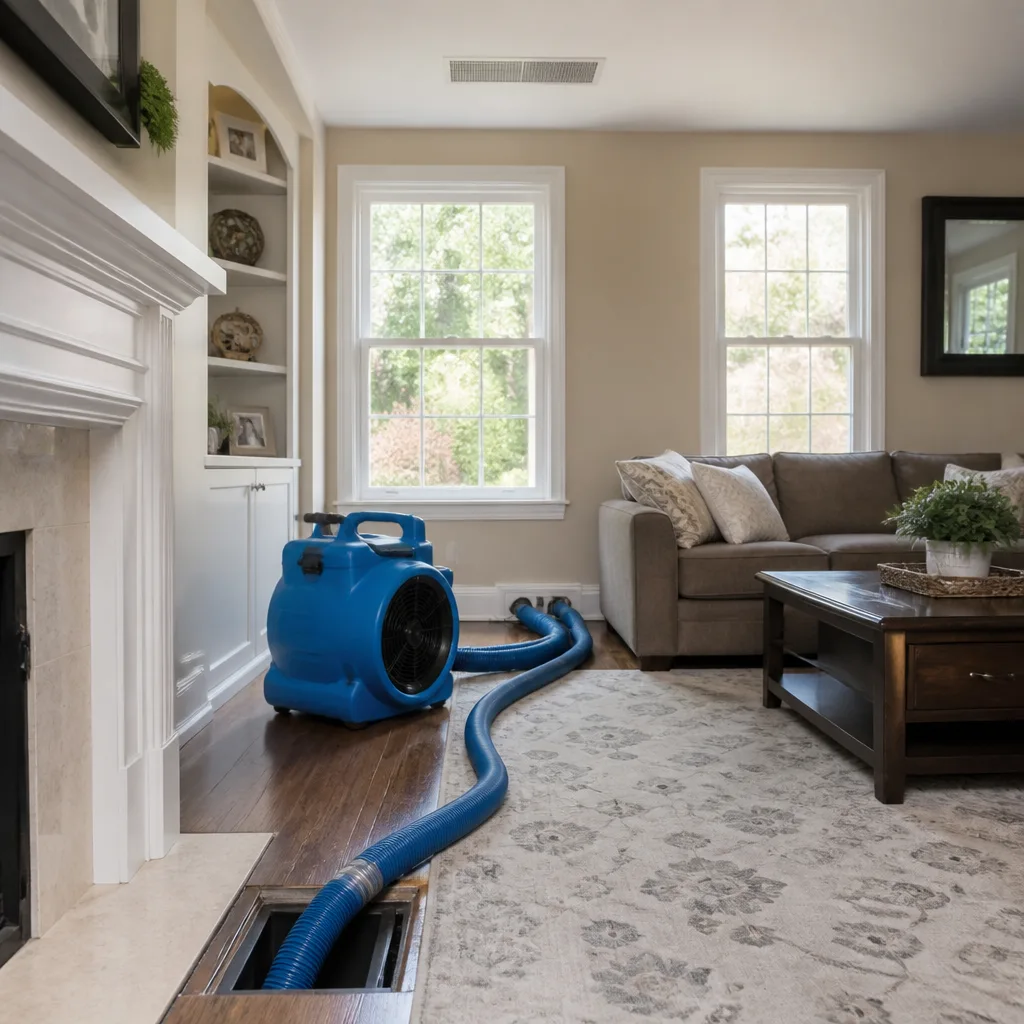 Whole-home duct cleaning
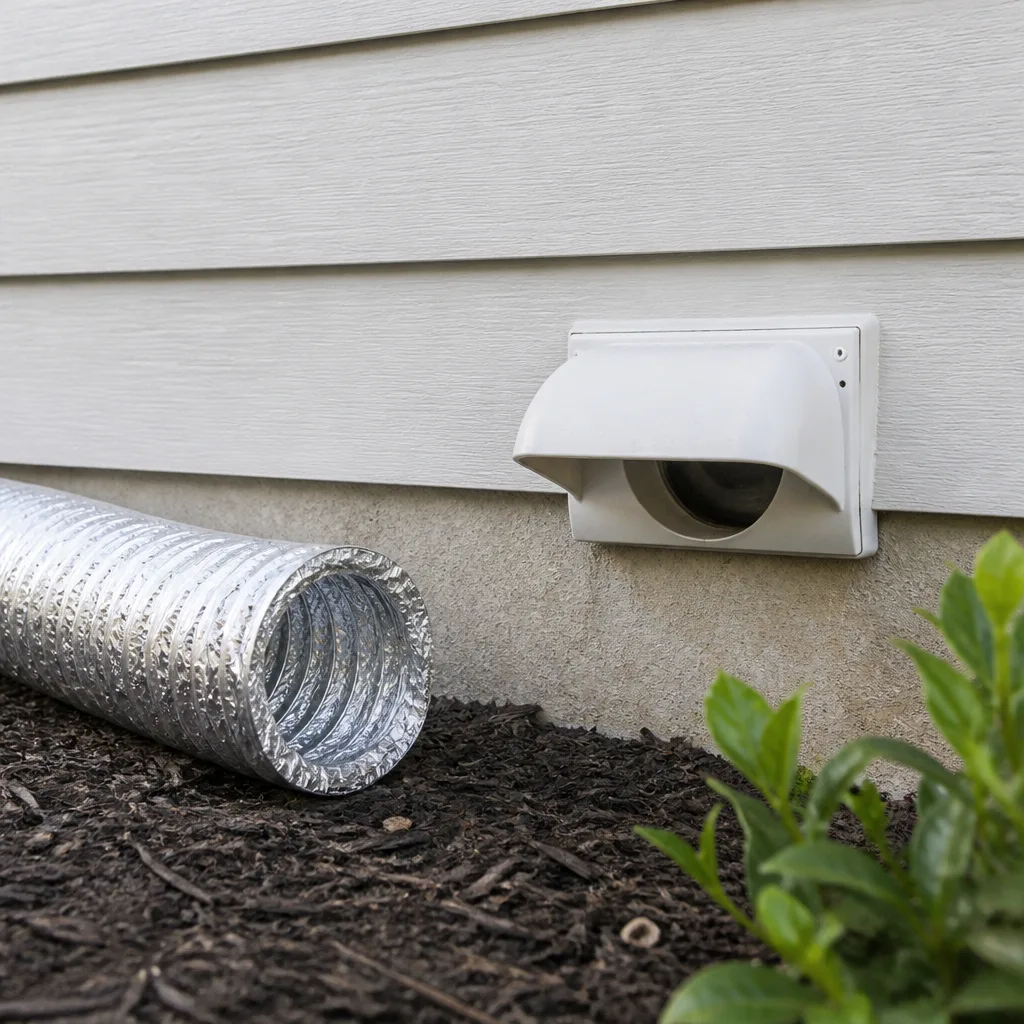 Dryer vent cleaning
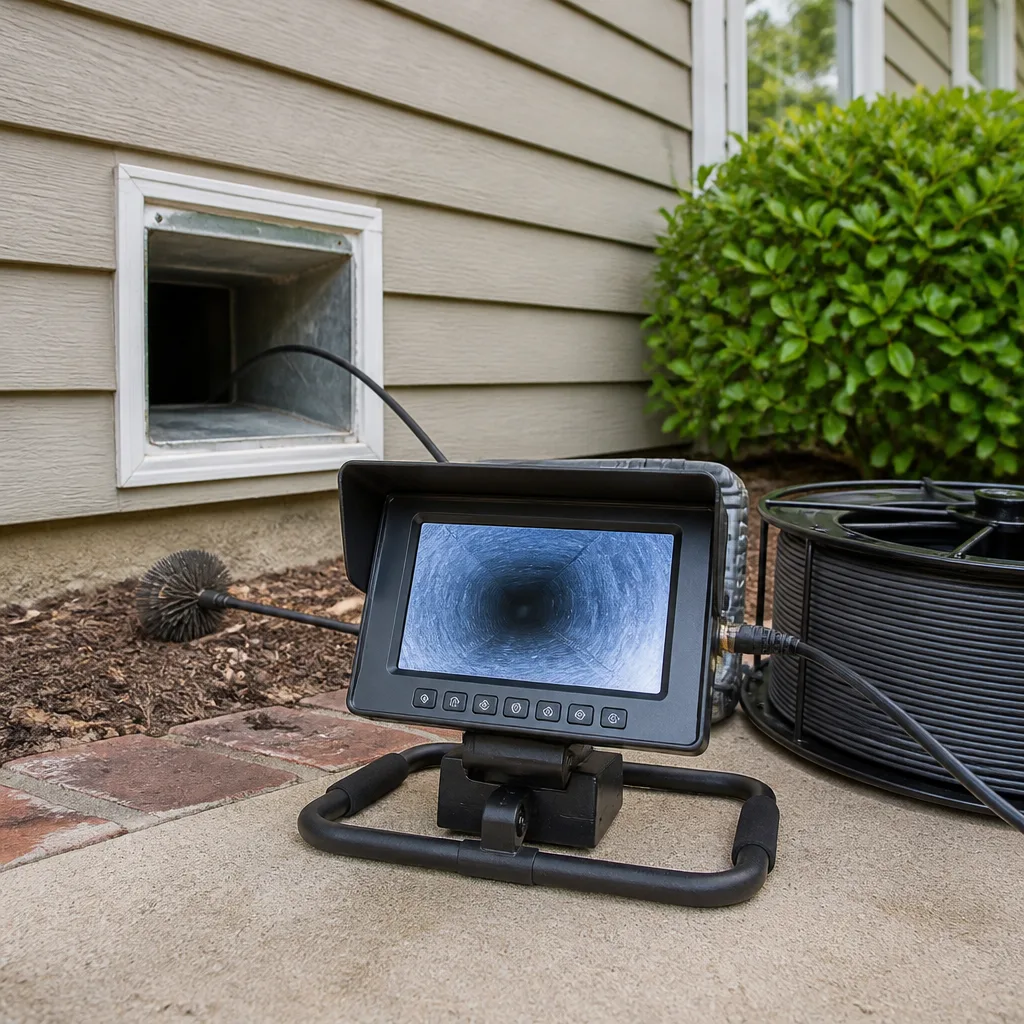 Camera inspection
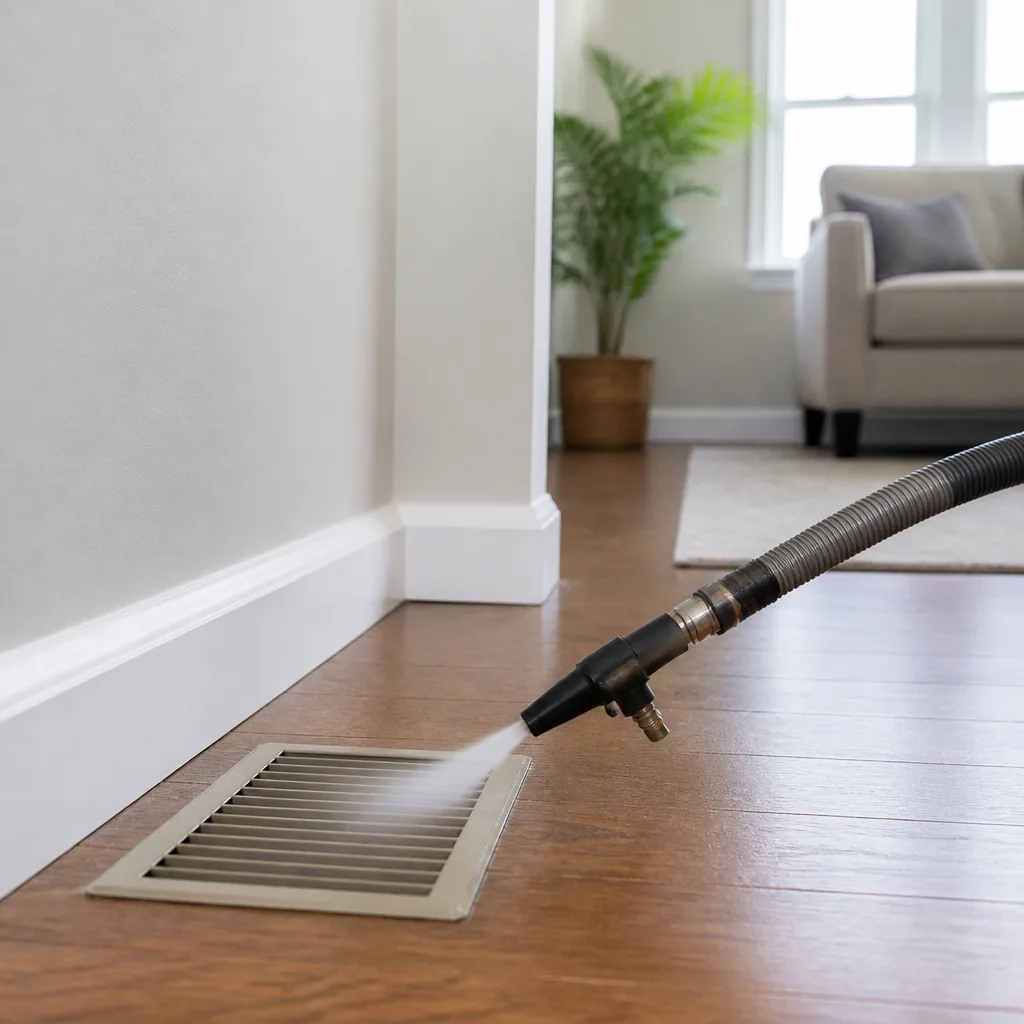 Sanitizing & deodorizing
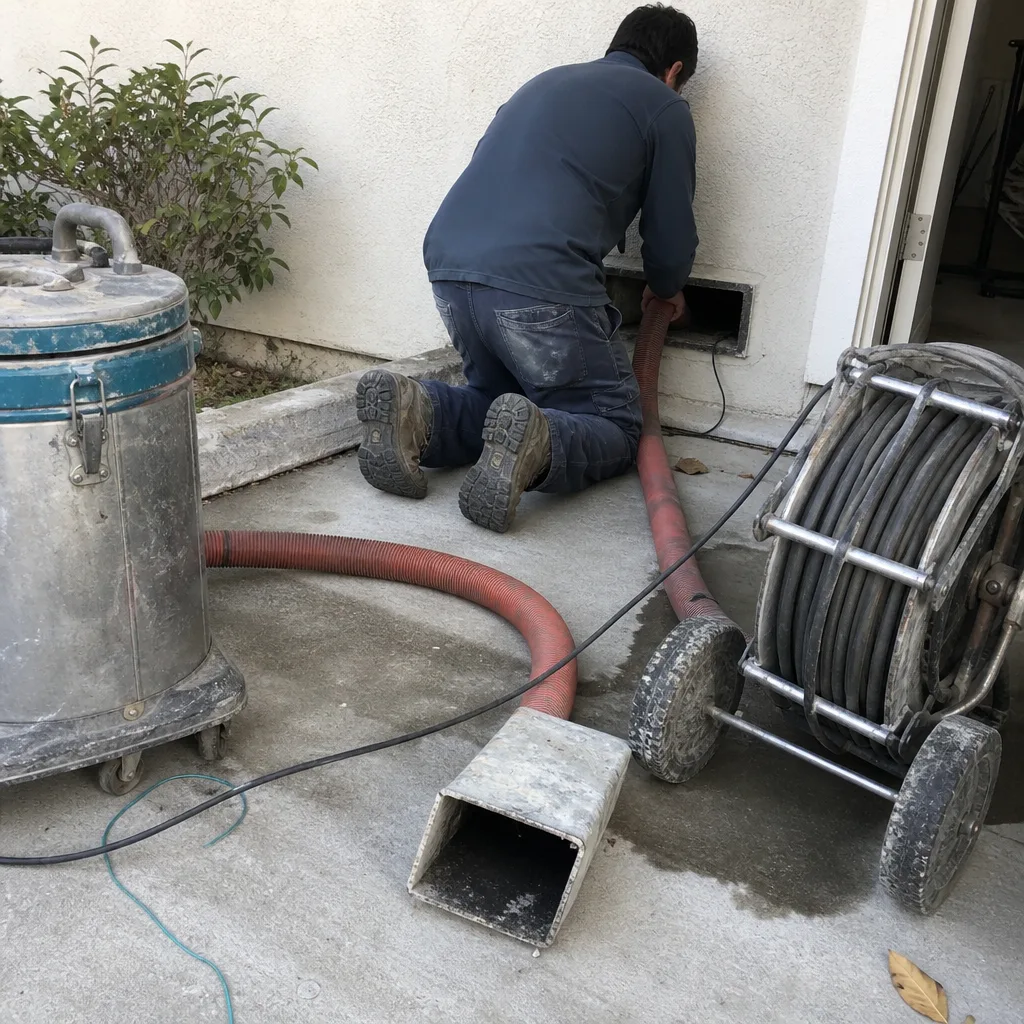
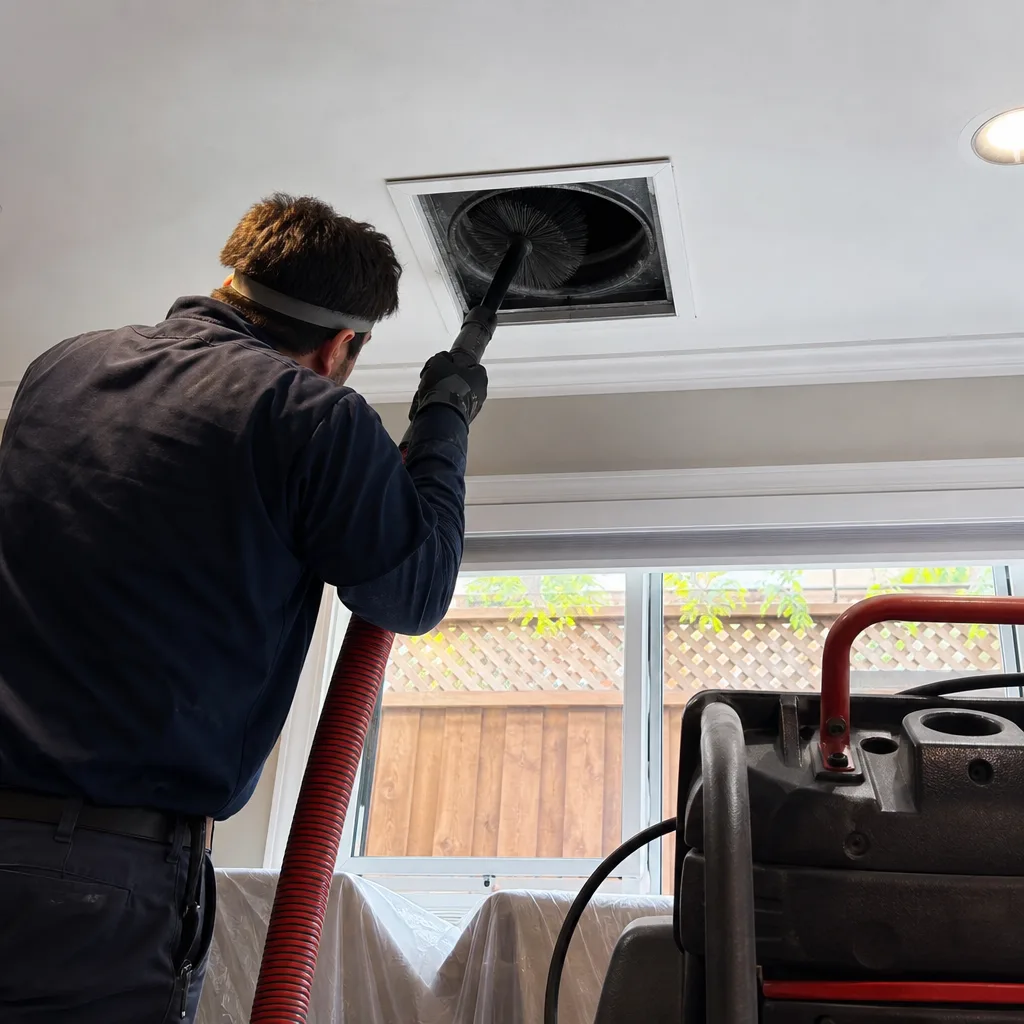
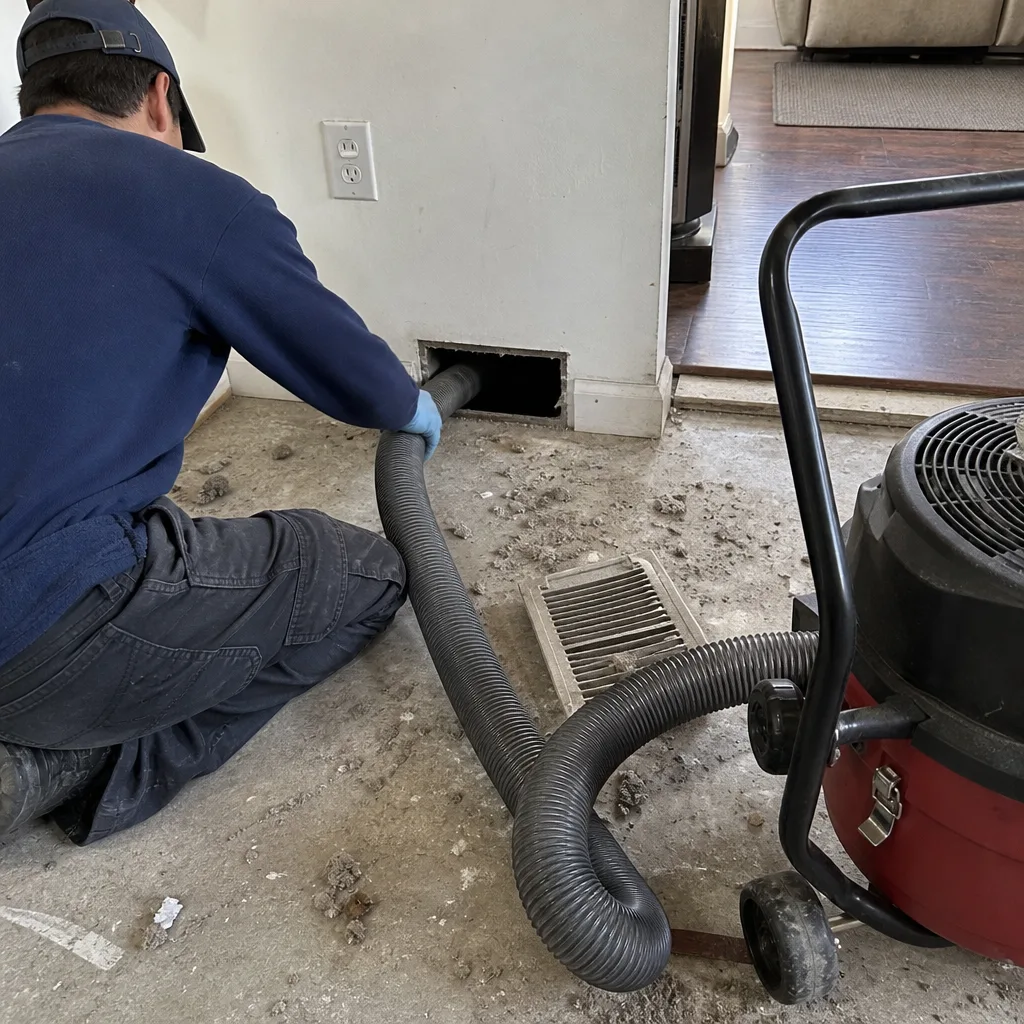
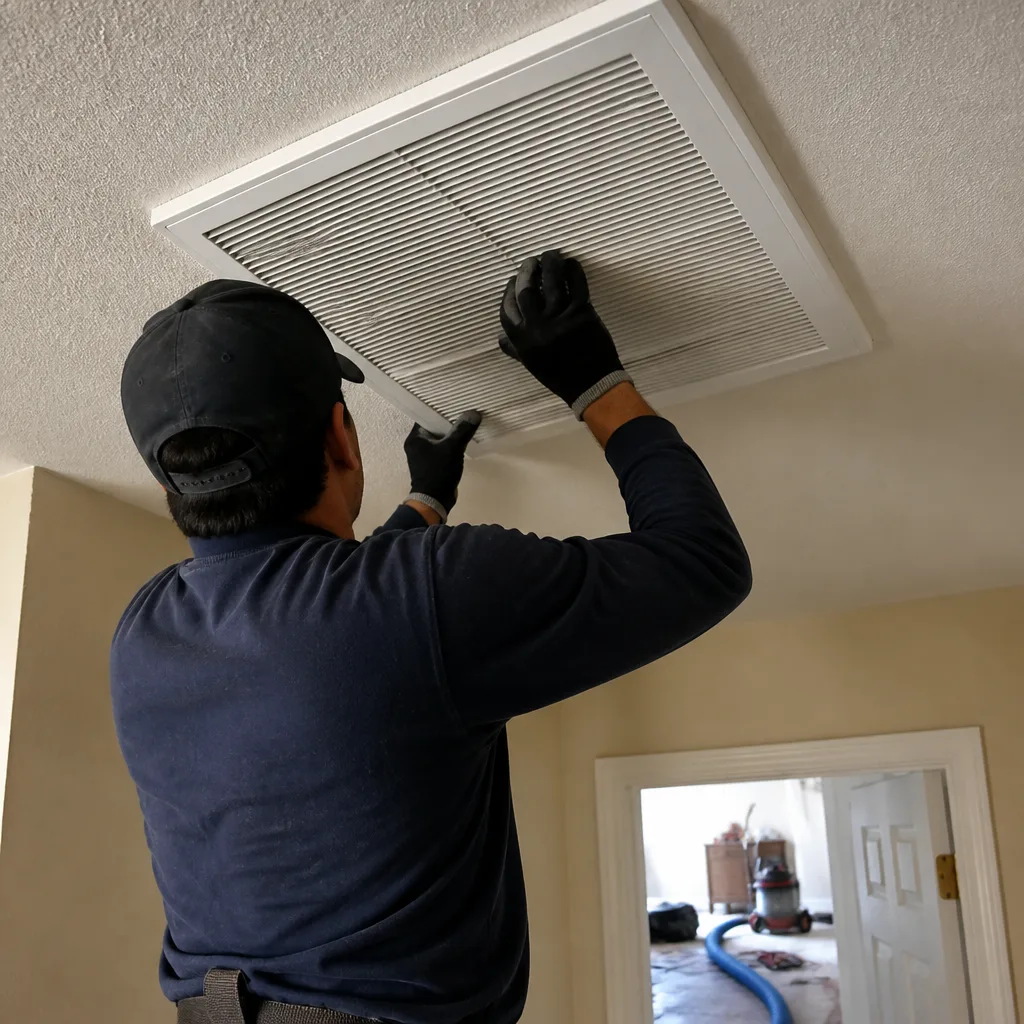
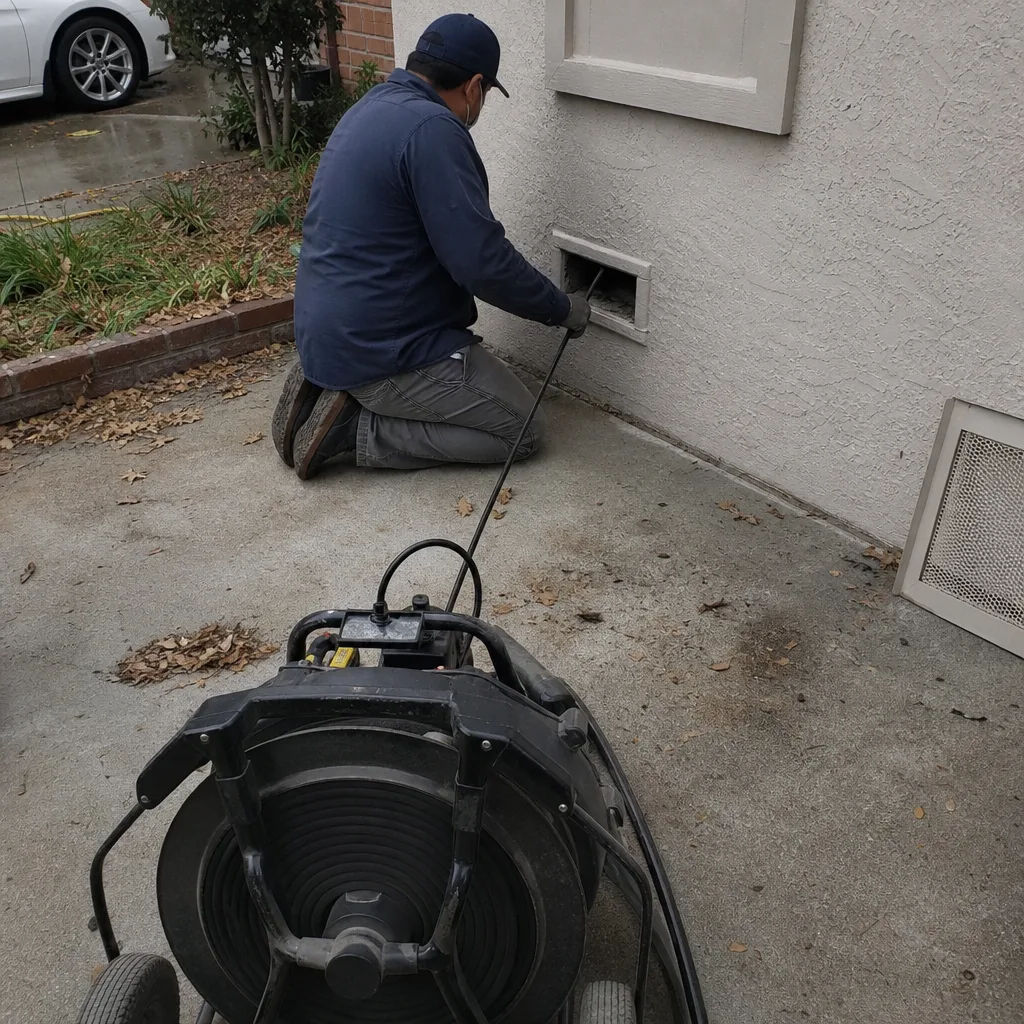
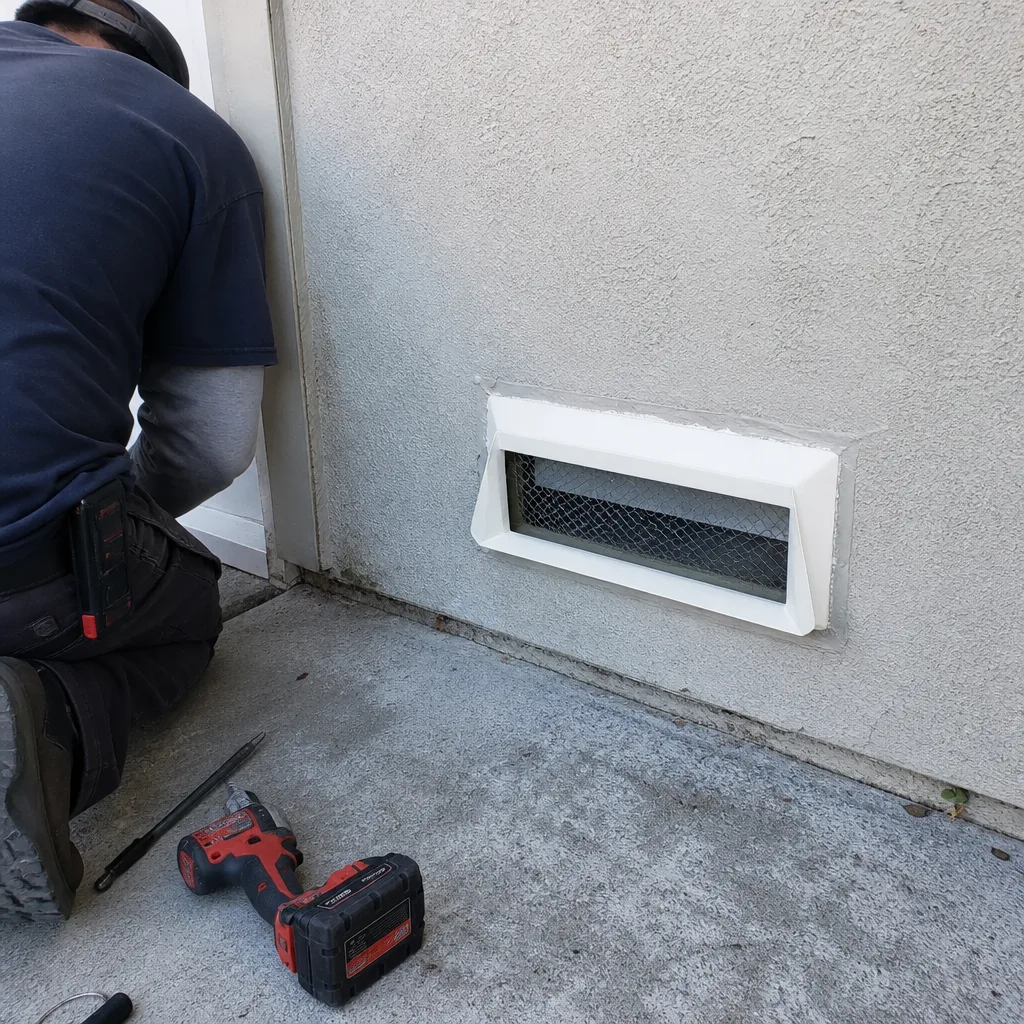
Whole-system duct and dryer vent check with before-and-after photos - you see exactly what came out of your vents
That "$99 whole-house special" is a bait ad - the real number appears once they are in your hallway, or the "clean" is a shop-vac at the register. We photograph the inside of your ducts before and after instead.
Air Duct Cleaning Warning Signs: A Santa Clara Homeowner’s Reference Guide
Here’s the quiet truth most air duct cleaning guides won’t tell you: the vast majority of “warning signs” homeowners notice are actually pointing at a $12 filter, a loose grille, or a furnace blower issue – not the ducts. In our experience serving Santa Clara homes from the Rose Garden to Rivermark, we’ve watched neighbors spend $400 on duct cleaning when all they needed was a filter swap. This guide teaches you how to read the symptoms correctly, rule out the cheap fixes first, and know with reasonable certainty when your ducts are actually the culprit. For more detail, see The Complete Air Duct Cleaning Guide for Santa Clara Homeowners.
Styles & brands we work with
- Whole-home duct cleaning
- Dryer vent cleaning
- Camera inspection
- Sanitizing & deodorizing
Quick Answer
The most reliable indicators you genuinely need our Air Duct Cleaning services in Santa Clara are visible debris actively blowing from supply registers after replacing the filter, confirmed rodent or pest activity inside duct runs, and visible mold growth on register surfaces or inside accessible duct openings. Musty smells, uneven temperatures, and high energy bills are usually component or insulation problems that duct cleaning won’t solve. Ruling out simpler causes first saves hundreds on unnecessary service calls.
Table of Contents
- The Diagnostic Sequence: Why You Check Filter Before Ducts
- Visible Debris From Registers: What It Actually Means
- Musty Smell From Vents: Tracing the Real Source
- Uneven Room Temperatures: Duct Problem or Equipment Problem?
- Post-Event Triggers That Are Legitimate Red Flags
- Signs You Need Duct Repair, Not Just Cleaning
- How Often Do Santa Clara Homes Actually Need Duct Cleaning?
- Common Mistakes to Avoid
- When to Call a Professional
- Frequently Asked Questions
- The Bottom Line
The Diagnostic Sequence: Why You Check Filter Before Ducts
Santa Clara homes sit in a Mediterranean climate with a long dry season, which means dust is a constant. But dust in the air does not automatically mean dust in the ducts. Before calling any company about air duct cleaning in Santa Clara, work through this sequence in order. It’s the same diagnostic path we follow when a homeowner calls describing vague air quality concerns.
Step 1: Check the filter first
Pull the filter. Hold it up to a light. If you can’t see light through it, the filter has been doing its job and is now restricting airflow. A clogged filter causes dust to bypass the filter entirely, the blower to work harder, and visible particles to enter the supply stream. Replace it. Wait 48 hours. Reassess.
Step 2: Inspect the return grille
Remove the return air grille (the larger vent that pulls air in, usually in a hallway or ceiling). Look at the backside. If it’s coated with a felt-like layer of dust and pet hair, that buildup is getting pulled into the system and redistributed. Clean the grille thoroughly. Check the filter slot for gaps where unfiltered air could sneak around the filter frame. A loose or incorrectly sized filter is a common bypass point.
Step 3: Remove the filter and look into the plenum
With the filter out, shine a flashlight into the filter slot opening. You’re looking at the return plenum, which is the sheet metal box immediately upstream of the furnace. If you see a fine layer of dust here, that’s normal. If you see a thick carpet of debris, significant construction dust, or visible clumps, that’s meaningful. The plenum is the first place debris accumulates and the most accessible spot to inspect without specialized tools.
Step 4: Check accessible duct openings at registers
Unscrew one supply register in a few different rooms, preferably one on the first floor and one on the second if you have a two-story home. Look past the register into the first few inches of the duct boot. This is where debris tends to concentrate because air velocity drops at the register. If you see dust bunnies, pet hair, or visible debris caked inside, you’ve found evidence that the duct interior needs attention.
Only after these four steps have been completed and the symptoms persist should you consider duct cleaning. We’ve been in plenty of Santa Clara attics and crawlspaces where the ducts were dirty, but the homeowner’s actual problem was never the ducts. The sequence protects you from unnecessary expense.
Visible Debris From Registers: What It Actually Means
Visible dust coming from your registers on first occurrence is almost never a duct problem. We repeat this because it’s the single most misread symptom in the industry. When a Santa Clara homeowner sees puffs of dust shooting from a supply vent, the typical chain of events is:
- The furnace or air handler kicks on after being off for several hours.
- Initial air pressure stirs up loose particles that settled inside the register boot and nearby duct segment.
- For the first 30 to 60 seconds, those particles get blown into the room.
- After that initial burst, the air stream runs clean because nothing else is loose enough to move.
That’s not a dirty duct system. That’s normal settling behavior. However, if the debris continues to blow steadily while the system runs, or if it reappears immediately after you’ve vacuumed the register, then you’ve got a buildup inside the duct run that’s large enough to keep feeding visible particles. That’s when cleaning becomes the right call.
What kind of debris matters too. Fine gray dust is typically household dust, dead skin cells, and fiber shedding. It’s not a health hazard by itself, but it does indicate the system hasn’t been properly maintained. If you see what looks like insulation fibers – pink, yellow, or white fluffy material – that points to deteriorating duct liner or damaged duct insulation, which is a repair issue, not a cleaning issue. That distinction matters because cleaning won’t stop insulation from entering the air stream. You’d need air duct repair in Santa Clara to address the source.
Musty Smell From Vents: Tracing the Real Source
A musty or earthy smell coming from your vents causes a lot of people to call us immediately. The assumption is that something inside the ducts is producing the odor. Sometimes that’s true. More often, the ducts are just delivering air that picked up the smell from somewhere else.
Musty odor in a Santa Clara home almost always points to a moisture source. Santa Clara’s climate is dry for most of the year, but our winter rains drive humidity up and expose leaks that go unnoticed during the summer. Here’s how to trace the smell correctly before scheduling anything:
- Check the condensate drain pan and drain line. If your cooling coil sits above or inside the plenum, and the drain line is clogged, water backs up and sits in the pan. That stagnant water grows microbial activity fast, and the blower sends that smell through the entire duct network.
- Inspect the area around the air handler. Look for water stains on the platform, floor, or drywall near the HVAC equipment. A slow leak can soak surrounding materials and create a persistent musty odor that only seems like it’s coming from the vents.
- Check the crawlspace or attic above and below duct runs. Ducts that pass through a damp crawlspace with a moisture barrier failure, or through an attic with a roof leak, pick up ambient odors. Porous duct insulation absorbs that moisture and holds it.
- Look for visible mold at supply registers. If you see black, gray, or green speckling directly on the register face or just inside the boot, that’s the one scenario where the ducts themselves are likely the source. Mold at registers usually means mold spores deposited on a surface that stays cool and collects condensation during the cooling season.
If the moisture source is the condensate line or a plumbing issue, cleaning the ducts won’t stop the odor. The fix is mechanical. We tell Santa Clara homeowners this not to talk ourselves out of work, but because we’d rather solve the problem honestly than take a payment for a service that won’t help. If you’ve traced the moisture to the duct system itself – standing water inside duct insulation, visible mold on duct surfaces – that’s a real urgency signal and a legitimate reason to contact a professional.
Uneven Room Temperatures: Duct Problem or Equipment Problem?
Uneven room temperatures rank among the most frequently misdiagnosed duct issues we encounter. A spare bedroom that’s always 8 degrees warmer than the rest of the house feels like a duct problem. Sometimes it is. But in many Santa Clara homes – especially older ranch-style houses built in the 1960s and 1970s – the real culprit is equipment sizing, zoning limitations, or building envelope failures.
Here’s how to tell the difference:
- Test static pressure with the system running. A professional can do this in minutes. Low static pressure suggests a duct leak or restriction. Normal static pressure with uneven temperatures suggests the problem lies elsewhere: insufficient insulation, single-pane windows, inadequate supply runs to that room, or an undersized system.
- Feel the air velocity at the register in the problem room. If air comes out weakly compared to other rooms in the house, you’re likely dealing with a duct issue: a kinked flex duct, a disconnected run, a crushed section, or a damper that’s partially closed. That’s a duct repair scenario, not a cleaning scenario.
- Check if the problem room sits above a garage or over a crawlspace. Rooms over unconditioned spaces consistently run warmer in summer and colder in winter because the floor assembly lacks proper insulation. No amount of duct cleaning fixes a thermal envelope problem.
- Note whether the imbalance is seasonal or constant. If the same room is too hot in summer and too cold in winter, that’s more likely an insulation or window issue. If the imbalance is constant regardless of outdoor temperature, ductwork becomes a stronger suspect.
What about dust and debris as a cause of uneven temperatures? In extreme cases, a duct segment so heavily loaded with debris that it restricts airflow can reduce delivered air to a specific room. But this is rare in residential systems. We see it occasionally in Santa Clara homes that have undergone renovation without proper duct protection. If you had drywall work, floor sanding, or demolition done and the contractors didn’t seal the registers, construction dust can pack into duct runs and meaningfully reduce airflow. In that scenario, cleaning is the correct intervention, and it often resolves the imbalance.
Post-Event Triggers That Are Legitimate Red Flags
None of the symptoms above automatically mean you need duct cleaning. But certain events change the calculus entirely. These are the scenarios where we tell Santa Clara homeowners to stop troubleshooting and start scheduling:
- Water intrusion near duct runs. If a pipe leaked into the wall cavity, a roof leak soaked the attic insulation above duct runs, or the crawlspace flooded during a heavy winter storm, any ductwork in the affected area is now suspect. Wet duct insulation, wet debris inside ducts, and elevated humidity within the duct system create conditions for microbial growth. Cleaning after drying the structure removes the contaminated debris. Ignoring the ducts means the system redistributes whatever grows in that moisture long after everything looks dry.
- Confirmed rodent activity. If you’ve heard scratching in walls or ceilings, found droppings in the attic or crawlspace, or seen evidence of rats or mice in storage areas, assume the ducts may be involved. Santa Clara neighborhoods with mature landscaping and older construction see their share of roof rats and house mice. Rodents travel along duct runs, nest in duct insulation, and sometimes chew through flex duct. Their presence inside ductwork leaves droppings, urine, and nesting material in the air you breathe. After pest control addresses the population, duct cleaning is the necessary follow-up to remove what they left behind.
- Visible mold at registers or inside accessible duct openings. We covered this above, but it bears repeating. Mold on the register face or just inside the boot is a direct indicator that conditions inside or immediately around the duct opening support fungal growth. Cleaning removes the visible growth and the debris that supports it. If the mold extends into the duct liner or insulation, repair may also be required.
- Post-construction debris. If you renovated without sealing registers or ran major drywall sanding, the dust generated by construction is finer and more pervasive than ordinary household dust. It works into every crevice of the duct system. This fine particulate recirculates for months after the project finishes. A post-renovation duct cleaning in Santa Clara homes routinely removes several pounds of drywall dust even in houses where the contractor ran basic dust containment.
These trigger-based scenarios are different from routine maintenance questions. They involve contaminants or conditions that won’t resolve on their own. When we use Rotobrush and Nikro equipment in these situations, it’s because these are the same tools restoration professionals use after water damage, fire damage, and pest remediation work. The equipment matters because the job isn’t routine dust removal anymore. It’s contaminant removal from the air pathway.
Signs You Need Duct Repair, Not Just Cleaning
This is where a lot of homeowners waste money. They call a duct cleaning company, pay for cleaning, and then discover the original problem persists because the issue was structural. Knowing the difference before you schedule protects your budget and your timeline.
Here are the signs that point to air duct repair in Santa Clara rather than cleaning:
- Visible sagging or collapsed sections of flex duct. In attics and crawlspaces, flex duct should be supported and taut. When straps fail or insulation gets waterlogged, sections sag and create low spots where air velocity drops and debris settles. No cleaning process restores the shape of collapsed flex duct. It needs re-supporting or replacement.
- Disconnected duct runs. A room that suddenly gets no airflow at all, while the rest of the house behaves normally, often means a duct segment has disconnected in the attic or crawlspace. The conditioned air is dumping into the attic, not the room. Cleaning doesn’t reconnect ducts. This is a repair job.
- Torn or punctured duct insulation. If you see exposed fiberglass, chewed sections, or torn outer jacketing on ductwork, that’s a breach in the air pathway. Air escapes before it reaches the register. Repair seals the breach and restores efficiency. Cleaning just agitates the damaged material.
- Crushed sections of metal duct. In Santa Clara homes with older galvanized ductwork, sections can get crushed during plumbing or electrical work in the crawlspace. A crushed section restricts airflow and also creates a debris collection point. The fix is re-rounding or replacing that section, not cleaning around it.
- Evidence of prior pest damage. If rodents chewed through a flex duct run, the hole doesn’t seal itself. Cleaning removes whatever the animals left behind, but the physical breach remains. Repair closes it. This is the type of from-diagnosis-to-fix capability that most duct cleaning companies in Santa Clara don’t offer, which is why we built our service around providing both dryer vent cleaning in Santa Clara and structural duct repair under one roof.
One more point worth making: if you’ve already had the ducts cleaned recently and you’re still seeing debris or experiencing airflow problems, do not pay for another cleaning. The problem is structural. Demand a proper inspection, not another cleaning pass. We’ve repaired ducts in Santa Clara homes where the homeowner had paid for cleaning twice before discovering the real issue was a disconnected run in the attic.
How Often Do Santa Clara Homes Actually Need Duct Cleaning?
The industry standard answer is every 3 to 5 years. We’ll be more honest: most Santa Clara homes can go longer than that, and some need cleaning sooner. The deciding factors are not time-based. They’re condition-based.
Here’s what actually determines your cleaning interval:
- Filter discipline. Homes where the filter gets changed every 1 to 3 months (or per manufacturer guidance) simply accumulate less debris in the ducts. The filter captures what would otherwise coat the duct interior. Homes with sporadic filter changes will need duct cleaning more often regardless of time elapsed.
- Pets and occupant count. A four-bedroom Santa Clara home with three dogs and five occupants generates dramatically more dander, hair, and skin cells than a two-person household with no pets. More particles in the air means more particles passing through the duct system, which means more settling over time.
- Renovation history. Any past construction, even a single-room remodel, should reset your mental clock. Construction dust is the single biggest contaminant we find in duct systems. If you’ve renovated since the last cleaning, you likely need cleaning now.
- Crawlspace or attic environment. Homes with dirt crawlspaces or unsealed attics see more particulate infiltration. Santa Clara’s dry summers create fine dust that finds its way into pier-and-beam foundations. If your crawlspace has open vents and exposed earth, the duct system is exposed to that environment.
- System age and condition. Older metal duct systems with original liners may shed material over time. Flex duct systems past their expected lifespan (typically 15 to 20 years) can deteriorate internally. If your system is aging, a visual inspection tells you more than a calendar.
The honest answer for most Santa Clara homeowners: if you’ve never had your ducts cleaned and you’ve lived in the home more than 5 years, it’s worth having someone inspect the system. If you change filters regularly, haven’t renovated, and don’t have a dust-heavy household, you may find the ducts are in acceptable condition. An inspection is cheap relative to an unnecessary cleaning.
One more Santa Clara-specific consideration: our long dry season means pollen from the surrounding hills and the Silicon Valley’s constant construction activity generate fine particulate all summer. If you live near active development, near major corridors like El Camino Real or Lawrence Expressway, or near orchard-adjacent parcels that kick up dust during harvest, your particulate load is higher than a home in a quiet residential pocket. Adjust your expectations accordingly.
Common Mistakes to Avoid
- Hiring a cleaning company before ruling out the filter. We cannot stress this enough. Check the filter first. Replace it. Wait 48 hours. Many “duct cleaning” calls in Santa Clara end with the homeowner realizing the filter was the problem all along.
- Accepting a quote without an inspection. Any company that quotes duct cleaning over the phone without knowing your home’s size, system layout, and duct configuration is guessing. You want someone who looks at the system first. Request an inspection-based estimate, not a per-vent price.
- Confusing per-vent pricing with whole-system pricing. The duct cleaning industry has a reputation for bait-and-switch pricing: a low teaser rate per vent that balloons once the technician arrives and counts returns, supplies, and trunk lines. At Heritage Duct Cleaning, we quote one flat price per system. You know the total before we start. That’s how it should work everywhere.
- Assuming cleaning fixes airflow problems. If the issue is a disconnected run, a crushed section, or an undersized system, cleaning won’t change anything. Diagnose first. Clean second. This is exactly why we built our service around both cleaning and repair – so the diagnosis leads to the right intervention.
- Ignoring the dryer vent. Homeowners who book duct cleaning often forget the dryer vent, which is a separate system with its own failure mode. Clogged dryer vents cause house fires. If you’re having ducts cleaned, have the dryer vent inspected at the same time. It’s the same service visit and it closes a serious safety gap.
- Believing that musty smell always means dirty ducts. As we covered above, the odor usually originates at the condensate pan, a plumbing leak, or a moisture source in the building envelope. Cleaning the ducts won’t remove a smell that’s generated elsewhere in the system.
- Scheduling cleaning during the Santa Clara dry season without checking the system afterward. If you have ducts cleaned in August and no one inspects the system until January, that’s five months of unfiltered observation time lost. If your system has a structural issue, it worsens during that period. Clean and inspect together.
When to Call a Professional
You should call a duct professional when you’ve worked through the diagnostic sequence and the symptoms don’t resolve, when you’ve experienced a trigger event (water intrusion, rodent activity, post-renovation dust), or when you see visible mold at registers. You should also call if you’ve never had the system inspected and you’ve owned the home more than five years. A trained eye spots what a flashlight from the register can’t. We use Rotobrush and Nikro systems, the same commercial-grade equipment restoration professionals use, and we’re trained on Honeywell and Aprilaire systems so we understand the full air pathway from equipment to register. Heritage Duct Cleaning offers free estimates in Santa Clara – call (855) 550-3778 to schedule.
Frequently Asked Questions
Whole-system duct cleaning in Santa Clara typically runs between $350 and $650 for a single-family home, depending on home size, number of systems, and accessibility of the ductwork. Companies that quote per-vent pricing often end up at similar totals once all vents are counted, but the per-vent model creates uncertainty and pressure during the visit. At Heritage Duct Cleaning, we provide one flat price per system so you know the exact total before any work begins. Call (855) 550-3778 for an inspection-based quote – estimates are free.
Cheaper quotes typically come from companies using portable equipment (think shop-vac level suction) rather than truck-mounted or commercial-grade systems, companies quoting a teaser per-vent rate that multiplies once the technician counts returns and trunk lines, or companies that skip the inspection entirely and clean only what a basic vacuum reaches from the register. Rotobrush and Nikro equipment – the systems we run – generate the air movement needed to dislodge and extract debris from the full duct run, not just the first 18 inches. The price difference usually reflects the difference between surface work and actual cleaning.
Before-and-after photos of your own ducts are the gold standard. A legitimate company will photograph the duct interior using a camera or inspection scope before cleaning and after cleaning, and show you the difference. If a company refuses to provide photos or offers only generic images, that’s a red flag. Heritage Duct Cleaning shows Santa Clara homeowners their own before-and-after documentation as part of every job.
Most Santa Clara homes benefit from a duct inspection every 3 to 5 years, but actual cleaning should be condition-based, not calendar-based. Homes with regular filter changes, no pets, no renovations, and a sealed crawlspace may go longer. Homes with heavy pet dander, recent construction, or rodent activity need cleaning sooner. A professional inspection tells you where your home falls. If you’ve never had the system looked at and you’ve lived in the home more than five years, an inspection is the right starting point.
Duct debris can contribute to indoor particulate levels, but the bigger allergy drivers in Santa Clara are the pollen from our long growing season and the fine dust from construction activity. If your allergies spike when the system runs, and you’ve already ruled out the filter as the issue, then duct cleaning may help by removing accumulated allergens from the air pathway. But the ducts are rarely the primary source. Fix the filter, check the return, and evaluate the rest of the home’s air quality before assuming ducts are the culprit.
Air duct cleaning addresses the HVAC system’s supply and return ductwork, while dryer vent cleaning addresses the exhaust duct that carries hot air and lint from your dryer to the outside. They’re separate systems with separate failure modes. A clogged dryer vent is a fire hazard and should be cleaned annually or more often if you dry multiple loads per week. Heritage Duct Cleaning provides both services, so a single visit can cover both your HVAC ducts and your dryer vent. Call (855) 550-3778 to schedule both in one appointment.
The Bottom Line
Duct cleaning in Santa Clara is a real, valuable service when the situation calls for it. But the honest truth is that most “warning signs” point at cheaper fixes first – a $12 filter, a clogged condensate drain, a loose return grille, or a thermal envelope issue. Work through the diagnostic sequence we laid out above. Rule out the simple causes. Pay attention to trigger events like water intrusion, rodent activity, and renovation dust, because those are the legitimate urgency signals. If cleaning is the right call, choose a company that inspects before quoting, uses commercial-grade equipment, and shows you before-and-after photos of your own ducts. For help selecting a provider, read Choosing the Right Air Duct Cleaning Brand: A Buyer’s Guide for Santa Clara. If repair is what’s actually needed, don’t waste money on a second cleaning – find someone who can fix the structural issue in the same visit.
Written by the team at Heritage Duct Cleaning, serving Santa Clara since 2015.
See the difference
 Before
 After
 Before
 After
 Before
 After