
Last updated November 3, 2026
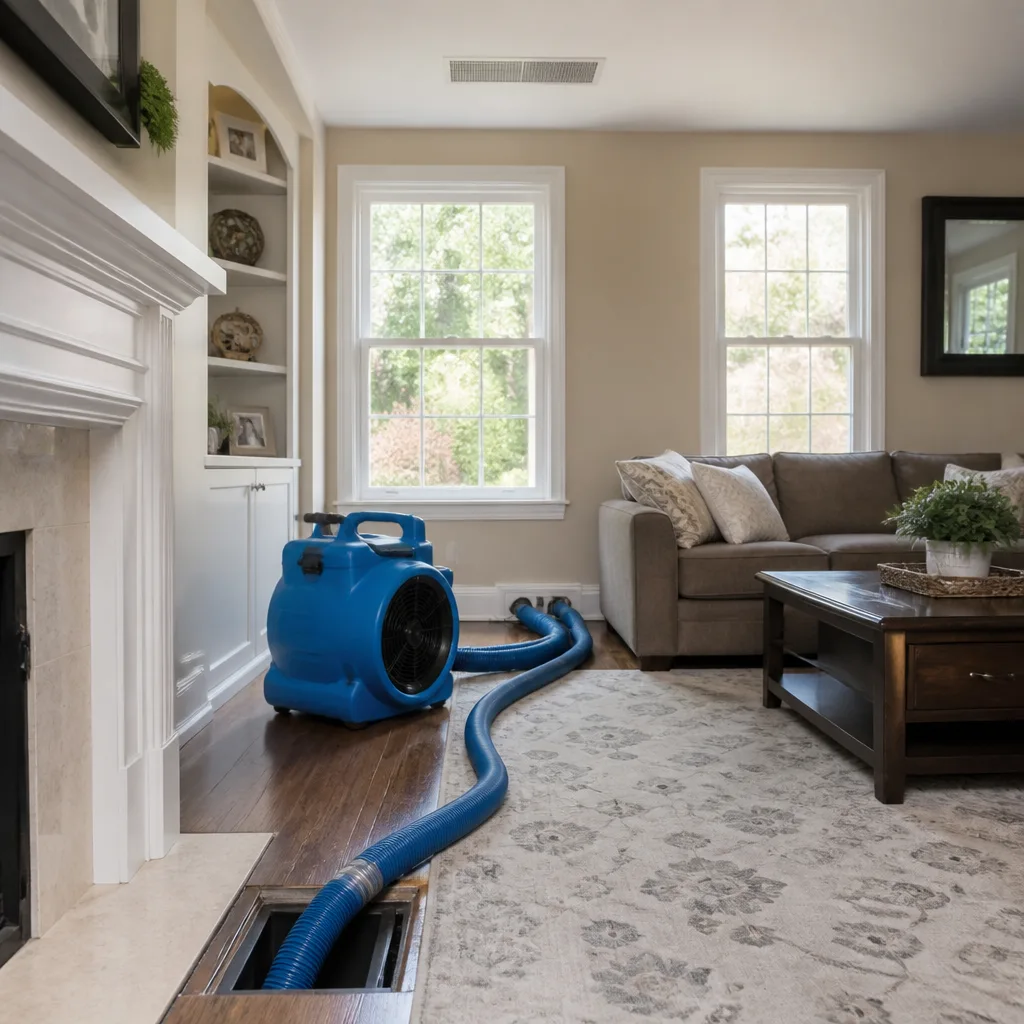 Whole-home duct cleaning
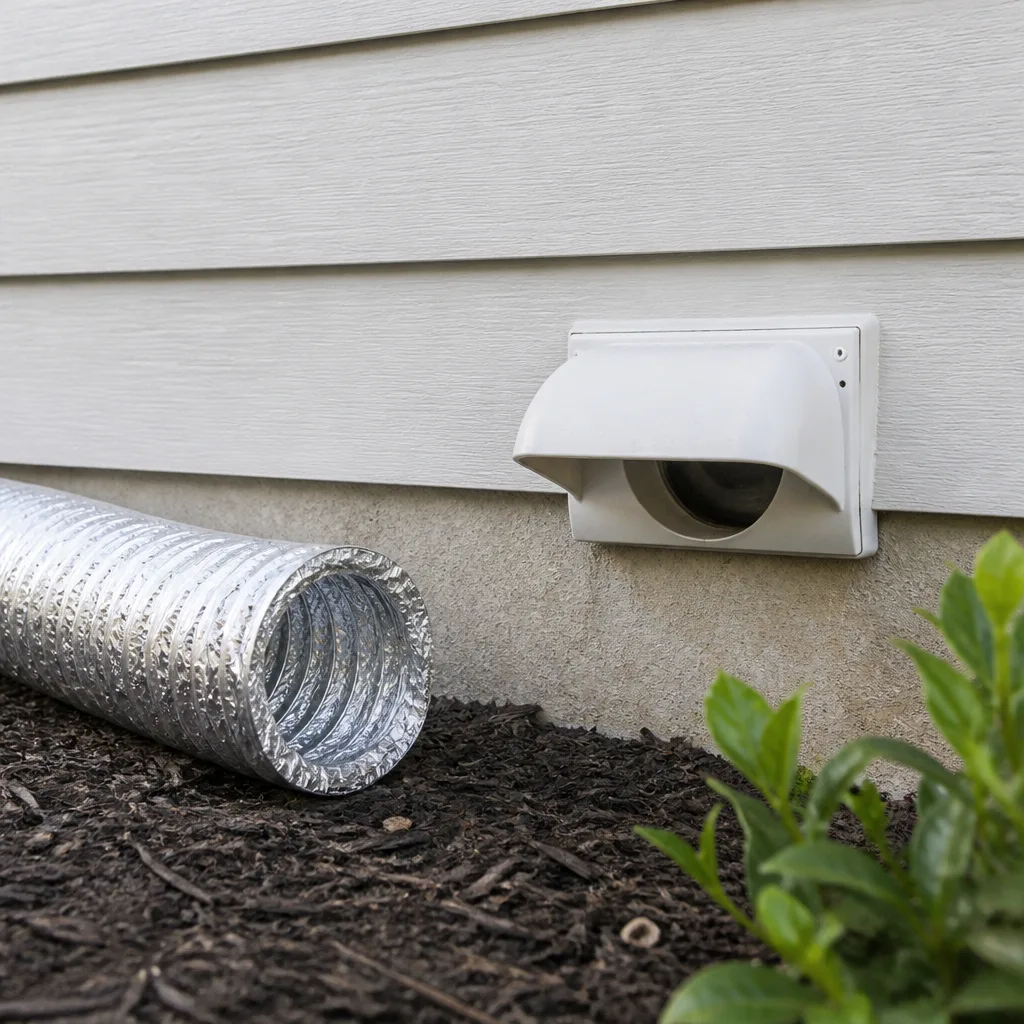 Dryer vent cleaning
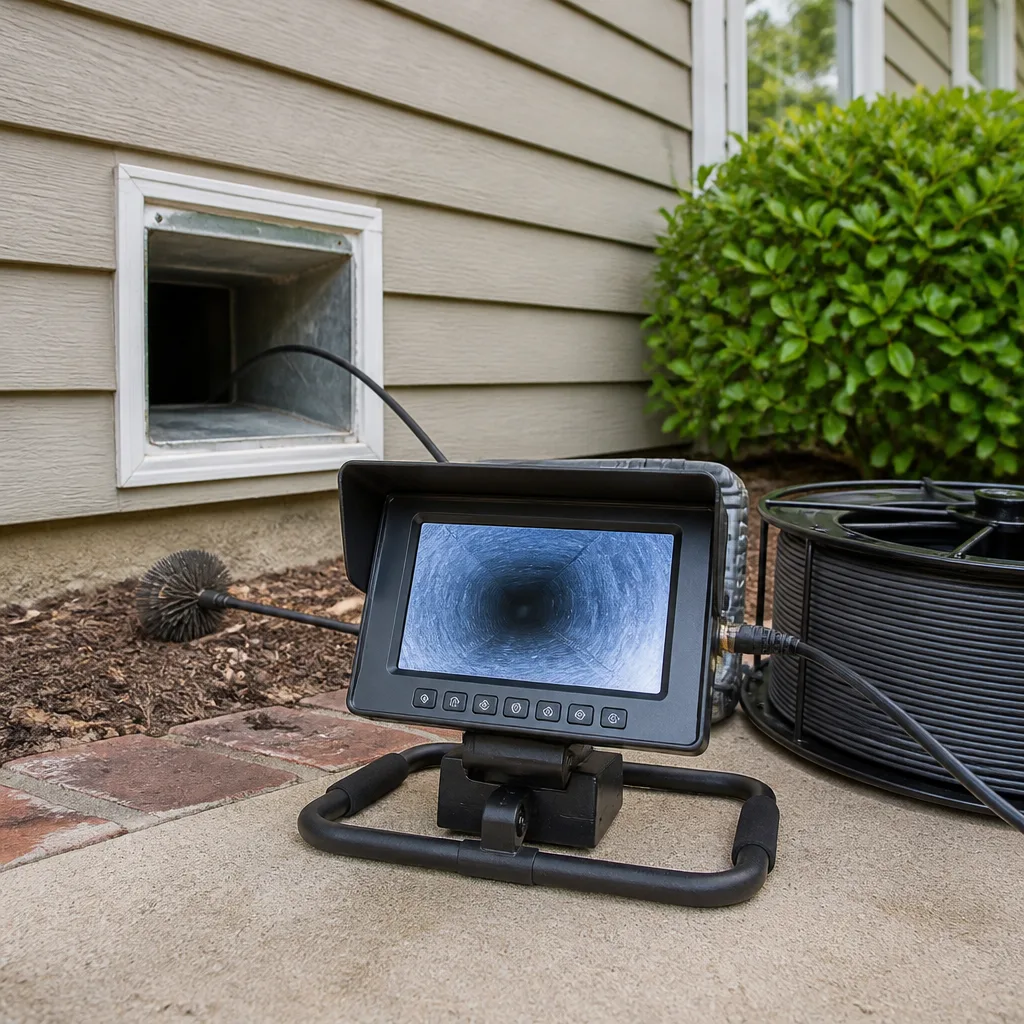 Camera inspection
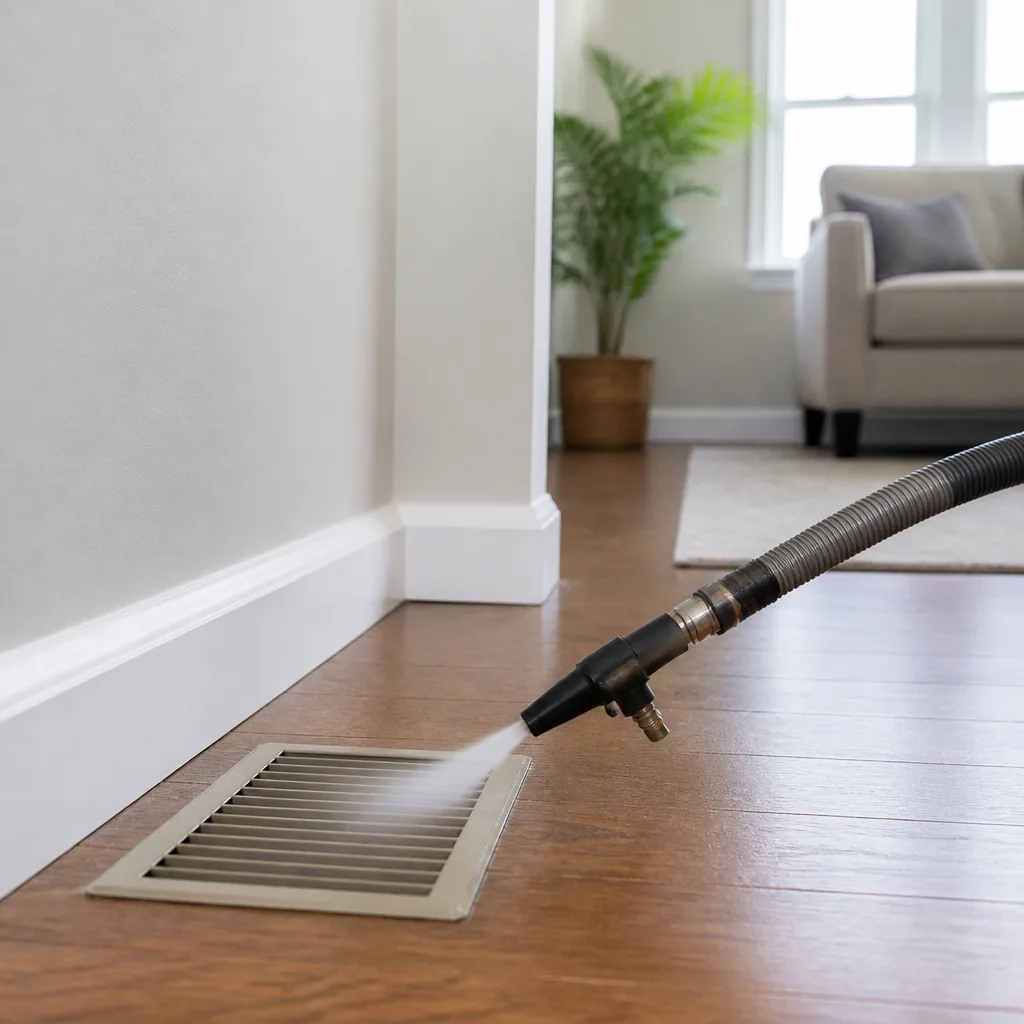 Sanitizing & deodorizing
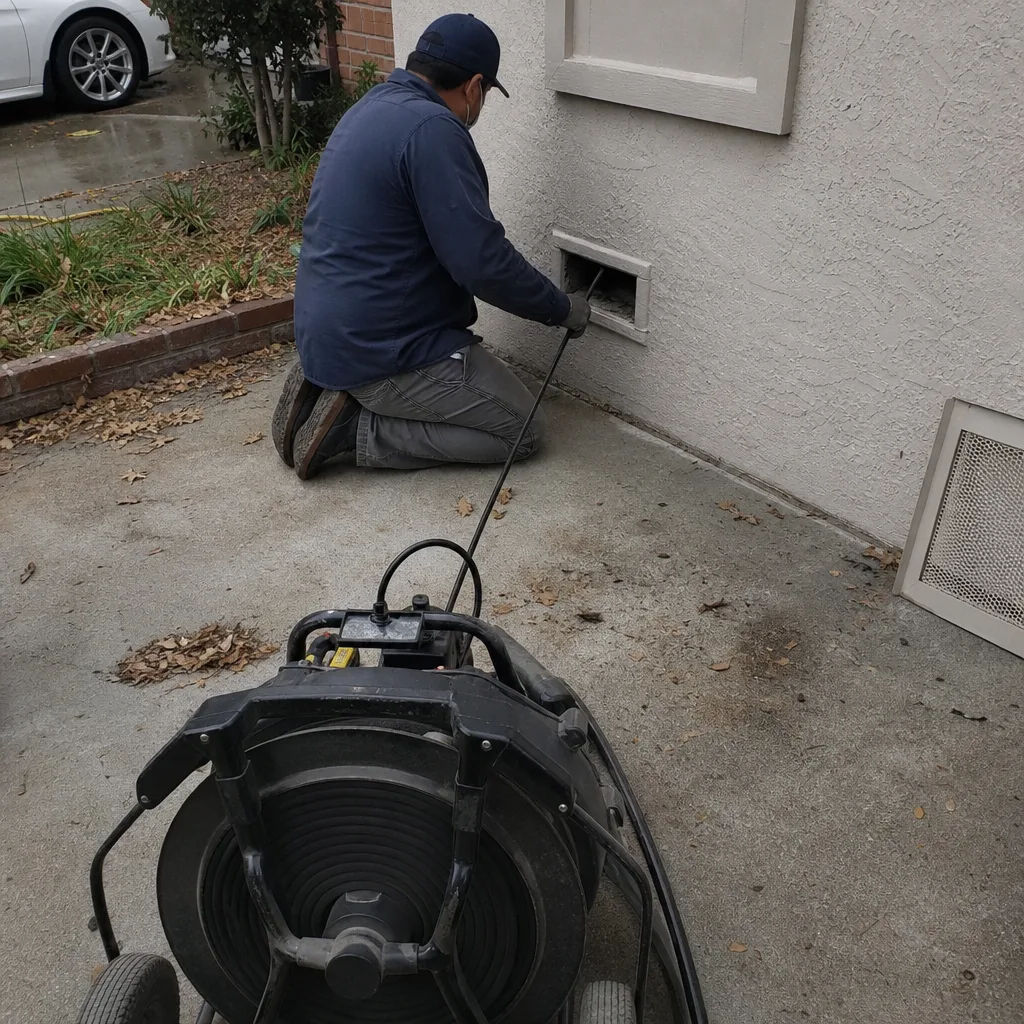
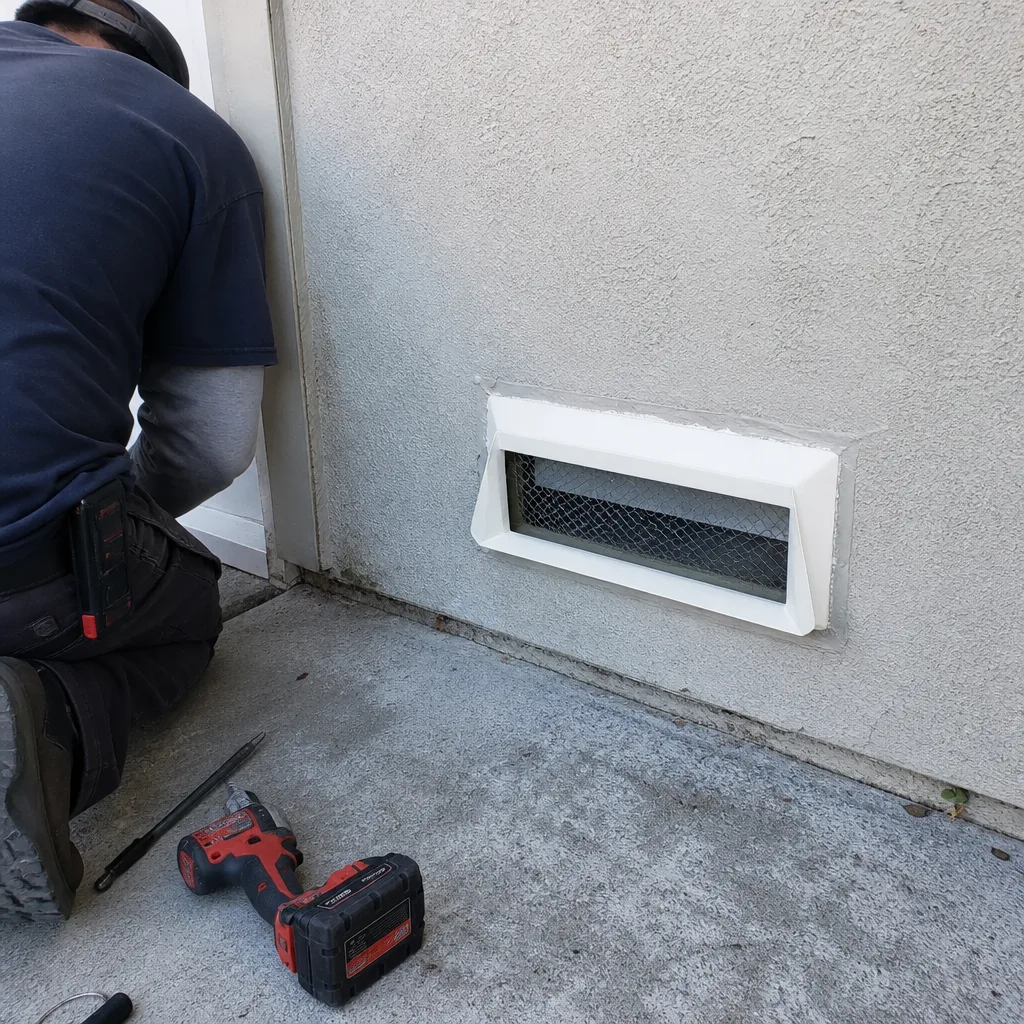
Whole-system duct and dryer vent check with before-and-after photos - you see exactly what came out of your vents
That "$99 whole-house special" is a bait ad - the real number appears once they are in your hallway, or the "clean" is a shop-vac at the register. We photograph the inside of your ducts before and after instead.
Choosing the Right Air Duct Cleaning Brand: A Buyer’s Guide for Santa Clara
Two franchises can wear the same duct cleaning brand name on their trucks, work the same Santa Clara neighborhoods, and deliver results that have nothing in common. One crew rolls up with a truck-mounted Rotobrush system pulling 2,200 CFM of negative pressure. The other shows up with a portable unit rented from a hardware store and a recognizable logo stitched on a polo shirt. The brand didn’t change. The equipment did. And in duct cleaning, the equipment is the job. Our Complete Air Duct Cleaning Guide for Santa Clara Homeowners will show you how to evaluate any air duct cleaning brand, national or independent, by looking past the name on the van and into the operational details that actually determine whether your ducts come clean. We’ll cover equipment tiers, franchise structure, what reviews can and can’t tell you, and the specific questions Santa Clara homeowners should ask before booking.
Styles & brands we work with
- Whole-home duct cleaning
- Dryer vent cleaning
- Camera inspection
- Sanitizing & deodorizing
Quick Answer
The right Air Duct Cleaning brand in Santa Clara is less about the name on the truck and more about the equipment inside it. Look for a company that uses truck-mounted or high-CFM portable negative pressure systems with HEPA-filtered exhaust, employs W-2 technicians rather than day-labor subcontractors, and offers duct repair capability, not just cleaning. A local specialist with commercial-grade equipment will consistently outperform a national franchise running consumer hardware, regardless of how recognizable the logo is.
Table of Contents
- How National Duct Cleaning Franchises Actually Work
- The Equipment Questions That Cut Through Brand Hype
- Independent Specialist vs. National Franchise: What You’re Really Comparing
- What Online Reviews Can and Can’t Tell You
- Why a Duct Cleaning Specialist Beats an HVAC Generalist
- A Step-by-Step Evaluation Checklist for Santa Clara Homeowners
- Santa Clara-Specific Factors That Affect Duct Cleaning
- Common Mistakes to Avoid
- When to Call a Professional
- Frequently Asked Questions
- The Bottom Line
How National Duct Cleaning Franchises Actually Work
Most national duct cleaning brands operate on a franchise model, and understanding what that means is the first step in evaluating them. When you call a franchise location in Santa Clara, you’re not calling the brand’s corporate office. You’re calling an independent business owner who bought the right to use the name, the logo, and sometimes a documented process. What that owner does with that process is entirely up to them.
Corporate franchisors typically control branding, marketing materials, and a recommended equipment list. What they rarely control with any consistency is equipment maintenance, technician hiring standards, ongoing training quality, and whether the franchisee actually follows the cleaning protocol. We’ve seen franchise locations in the South Bay run tight operations with well-maintained truck-mount systems. We’ve also seen locations from the same brand using portable units that barely pull enough negative pressure to collect dust from a single vent at a time.
The takeaway for a Santa Clara homeowner is this: brand reputation transfers imperfectly to local execution. A national name tells you the company paid for a license. It doesn’t tell you what’s in the van. When evaluating any duct cleaning company with a recognizable brand, your first question should be about the equipment they’ll bring to your home, not the logo on their shirt.
What corporate actually controls:
- The brand name, logo, and sometimes national advertising
- A documented cleaning procedure (which may or may not be followed)
- A minimum equipment recommendation (which may or may not be met)
- Basic franchisee screening (which varies widely in rigor)
What individual operators control:
- Whether they invest in truck-mounted systems or use portable consumer units
- Whether technicians are W-2 employees with background checks or day-labor subcontractors
- Whether ducts are inspected before and after cleaning, or just cleaned blind
- Whether the job is quoted at a flat system price or a low per-vent teaser rate
- Whether the operator offers repair capability when damage or disconnection is found
This structural split explains why the same national brand can produce five-star experiences in one Santa Clara zip code and two-star experiences in the next. The brand is a wrapper. The operator is the product.
The Equipment Questions That Cut Through Brand Hype
Once you understand that franchise names are wrappers over independent operations, the next step is learning what equipment separates a professional job from a surface-level dust disturbance. This is where the brand comparison conversation should actually happen, because it’s measurable, verifiable, and directly tied to results.
The single most important metric in duct cleaning is negative pressure, measured in cubic feet per minute (CFM). Professional systems pull air through the ductwork at high enough velocity to dislodge and capture debris. Consumer-grade equipment doesn’t. Here’s how the equipment tiers break down:
Professional truck-mounted systems: These are the standard in restoration and remediation work. Rotobrush and Nikro systems, for example, pull between 1,800 and 2,500 CFM depending on configuration. They mount a powerful vacuum in the truck and run a large-diameter hose to the duct system. The debris goes straight into a sealed collection chamber outside the home. HEPA filtration on the exhaust ensures fine particulates don’t blow back into your living space. This is the equipment tier used by commercial restoration contractors when contamination is serious enough to warrant professional containment.
Professional portable units: Some quality companies use portable negative air machines that pull 1,500 to 2,000 CFM or more. These units sit inside or just outside the home and create negative pressure through a single access point. They’re effective when paired with proper agitation tools and HEPA filtration. Abatement Technologies builds portable HEPA-filtered negative air machines that are standard in mold remediation and lead abatement work, and they double as excellent duct cleaning platforms. The distinguishing factor here isn’t portability, it’s CFM output and filtration.
Consumer-grade equipment: Anything pulling under 1,000 CFM, and especially anything that looks like a shop vac with a brush attachment, is not cleaning ducts. It’s removing loose debris from the first few feet of each vent run while leaving the trunk line largely untouched. Some franchise operators and discount companies use this tier because the equipment is cheap, fits in a car, and still lets them advertise duct cleaning services. Santa Clara homeowners should treat any company using consumer-grade equipment as a non-starter, regardless of brand recognition.
When you call a duct cleaning company in Santa Clara, ask these three equipment questions directly:
- What equipment will you bring to my house, specifically? Listen for named brands. Rotobrush, Nikro, and Abatement Technologies are all professional-tier names. “A professional-grade system” without a name is not an answer.
- What CFM does your system pull at the duct connection? Look for 1,500 CFM or higher. If the person on the phone can’t answer, that’s a signal.
- Does your exhaust include HEPA filtration? Professional systems filter exhaust to prevent fine particulates from re-entering the home. Consumer units don’t.
These questions take thirty seconds to ask and tell you more about job quality than a hundred online reviews.
Independent Specialist vs. National Franchise: What You’re Really Comparing
Once you look past the brand recognition question, the comparison between a local independent specialist and a national franchise in Santa Clara comes down to three things: equipment investment, operational accountability, and scope of capability. Each has strengths, and it’s worth being honest about them.
What the national franchise offers: A recognizable name, a consistent-looking marketing presence, and the implied backing of a larger organization. If something goes wrong, there’s a corporate office somewhere that might care. Reviews are plentiful because volume is high. The process, if followed, is at least documented. For a property manager in Santa Clara who needs defensible documentation that a unit’s ducts were cleaned to a consistent standard across multiple properties, a franchise’s ostensible consistency has real appeal.
What the independent specialist offers: Direct accountability. The owner’s name is on the truck, and their reputation is tied to every job. Equipment investment tends to be higher among independents who specialize, because they’re not sending licensing fees up a franchise chain, they’re putting that money into tools. A local independent running Rotobrush or Nikro equipment is competing on results, not recognition. And when you call with a question or a follow-up issue, you’re talking to the person who did or directly supervised the work, not a call center routing your ticket to an anonymous operator on Tuesday.
What the independent loses: Brand recognition, obviously. A national name carries implied legitimacy, even when it shouldn’t. The independent also loses the franchise’s marketing budget, which means fewer reviews, fewer trucks on the road, and a smaller online footprint. That’s a real disadvantage in a market like Santa Clara where homeowners often default to the first recognizable name in search results.
The tradeoff resolves itself when you weigh what each factor actually predicts about job quality. Equipment tier predicts job quality. Technician employment status predicts consistency. Review count predicts marketing spend. Brand recognition predicts nothing except that the operator paid a franchise fee. If you’re hiring based on what predicts outcomes, the independent specialist with commercial-grade equipment wins most comparisons, especially when that independent also offers repair capability, which most franchise operators in this space don’t.
What Online Reviews Can and Can’t Tell You
Online reviews are the first thing most Santa Clara homeowners check, and they’re useful for a narrow set of things. They’ll tell you whether the crew showed up on time, whether they wore shoe covers inside, whether the technician was polite, and whether the customer felt the price matched what was quoted. Those are real data points, and they matter.
What reviews cannot tell you is whether the ducts are actually clean. A customer can watch a technician run a brush through a vent and see debris enter a vacuum. They can’t see the interior of the trunk line, the return duct bends, or the far end of a branch run. They can’t verify negative pressure, CFM output, or whether fine particulate was exhausted through a HEPA filter or blown back into the bedroom. Those are the variables that determine whether the service was worth paying for, and they’re invisible to a homeowner standing in the living room.
This creates a structural blind spot in the review system. Companies that do shallow work but show up on time, communicate well, and charge a fair price for what they actually did will generate positive reviews. Companies that do deep, thorough work but run a little behind schedule or have a gruff technician will generate mixed reviews. The review score measures customer experience, which is correlated with job quality but is not the same thing. A five-star review means the customer was satisfied. It does not mean the ducts are clean.
This is why the equipment questions in the previous section matter so much. You can’t verify duct cleanliness from a review, but you can verify the equipment tier that makes thorough cleaning possible. When you combine equipment verification with review-based customer service signals, you get a much more complete picture than either source provides alone.
Why a Duct Cleaning Specialist Beats an HVAC Generalist
Many homeowners in Santa Clara first encounter duct cleaning through their HVAC company. During a furnace service or AC tune-up, the technician mentions that the ducts look dirty and offers a cleaning add-on. It sounds convenient. It’s also usually a mistake.
HVAC companies are in the heating and cooling business. Duct cleaning is a peripheral service they offer because customers ask for it and because it fills downtime between seasonal peaks. But the equipment investment required to do duct cleaning properly, a truck-mounted or high-CFM portable negative pressure system with HEPA filtration and professional agitation tools, is substantial. Most HVAC contractors aren’t making that investment for a side service. They’re using smaller portable units or third-party subcontractors, neither of which guarantees the results a specialist delivers.
A specialist’s entire business depends on duct cleaning outcomes. They invest in commercial-grade equipment because without it, they can’t compete on results. They train technicians specifically on duct system dynamics, airflow, and contamination patterns. They understand how Aprilaire and Honeywell air quality components integrate with the ductwork, because those filters and purification systems sit in the same air stream they’re cleaning. A specialist who routinely services homes with those systems knows to inspect the filter cabinet, check the filter condition, and account for pressure dynamics a generalist might miss.
The repair capability is where the specialist advantage becomes decisive. Most generalists and franchises clean ducts. Fewer repair them. When a cleaning reveals a disconnected branch run, a crushed return, or a leaking plenum seam, the generalist documents the problem and recommends a follow-up visit from someone else. A specialist with repair capability can address many of those issues on the same visit. That’s the difference between a cleaning service and a full-service duct provider, and it’s the difference between a job that’s finished and a job that’s deferred. Our Air Duct Cleaning in Santa Clara page covers what a full inspection and cleaning actually includes.
A Step-by-Step Evaluation Checklist for Santa Clara Homeowners
Our Complete Guide to Air Duct Cleaning in Santa Clara includes this practical evaluation sequence you can run through on a single phone call. It’s designed to cut through brand positioning and get to operational facts. Use it with any duct cleaning company you’re considering in Santa Clara.
- Ask what equipment they use, by name. If the answer is generic, press for specifics. Professional-tier names include Rotobrush, Nikro, and Abatement Technologies. If you hear “commercial-grade” without a brand, ask again. If you hear “our proprietary system” without specs, be skeptical.
- Ask about CFM output at the duct connection. You want 1,500 CFM or higher. Anything under 1,000 CFM is consumer-grade. If the person can’t answer, mark that down.
- Ask about HEPA filtration on the exhaust. Professional setups filter exhaust air. Consumer setups don’t. This single question separates serious operators from bargain cleaners.
- Ask whether technicians are W-2 employees or subcontractors. W-2 employees mean background checks, training investment, and accountability. Day-labor subcontractors mean variable quality and no consistent standard. Some companies are honest about this if you ask directly.
- Ask about pricing structure. You want a flat price for the entire system, agreed before work starts. If pricing is per vent, if there’s a teaser rate that will “be confirmed on site,” or if the quote depends on a free inspection that will reveal “additional issues,” walk away.
- Ask whether they offer repair capability. If the cleaning reveals a disconnected duct, a damaged boot, or a compromised seam, can they fix it on the same visit? A yes answer signals a specialist. A referral-out answer signals a cleaning-only operator.
- Ask about before-and-after documentation. Professional companies photograph the duct interior before and after cleaning. This is the only way to verify the work was actually done. Companies that can’t or won’t provide this documentation should raise a red flag.
Run these seven questions with two or three companies, including at least one national franchise and one local independent, and the differences will be obvious. You’re not comparing brands at that point. You’re comparing operations.
Santa Clara-Specific Factors That Affect Duct Cleaning
Santa Clara’s climate and housing stock create specific conditions that influence how often ducts need cleaning and what kind of contamination accumulates. Understanding these local factors helps you evaluate whether a duct cleaning company actually knows the market they’re working in.
Santa Clara sits in a Mediterranean climate with hot, dry summers and mild, wet winters. The dry summer months mean windows stay closed and HVAC systems run continuously, pulling whatever’s in the home through the return ducts and across the evaporator coil. Homes near the 101 corridor experience more vehicle-related particulate infiltration than homes further north toward the Bay. Homes near construction sites, of which Santa Clara has a steady supply, accumulate construction dust at an accelerated rate. A competent local duct cleaning company should be able to discuss these factors without being prompted, because they’ve seen them play out across hundreds of homes in the area.
Santa Clara’s housing stock also matters. A significant portion of the city’s single-family homes were built between the 1950s and 1980s, many with original ductwork that’s now 40 to 70 years old. Metal ducts from that era develop leaks at seams, disconnected branch runs at boots, and internal rust on the galvanized surfaces. Flex duct installations from later decades sag, crush, and tear. These conditions mean Santa Clara homes are more likely than average to need repair, not just cleaning, which makes the repair capability question more relevant here than in cities with newer housing stock. If your home has never had its ductwork inspected beyond the occasional filter change, there’s a meaningful chance the cleaning will reveal issues that need addressing. A company that can handle that on-site, like our Air Duct Repair in Santa Clara service, saves you from coordinating two contractors across two visits.
Dryer vents are another Santa Clara-specific concern. Homes in the city’s older neighborhoods often have long dryer vent runs from the laundry room to the exterior wall, containing multiple bends that collect lint. Homes built in the 1990s and 2000s frequently have vents that terminate at the roof, which few homeowners ever inspect. Our Dryer Vent Cleaning in Santa Clara page covers why roof-terminating vents are a specific risk most homeowners don’t think about until there’s a problem.
Common Mistakes to Avoid
- Hiring based on brand recognition alone. National names carry legitimacy but don’t guarantee equipment quality. A recognizable franchise logo on the truck tells you about licensing, not about the negative pressure system inside.
- Accepting a per-vent price without question. Per-vent pricing is the classic bait. The teaser rate gets the crew in the door, and the final invoice is a different number. Always insist on a flat system price agreed before work begins.
- Skipping the equipment questions. “Do you do duct cleaning?” is a yes/no question that any company can answer yes to. “What CFM does your system pull?” separates professionals from pretenders. Most Santa Clara homeowners never ask it.
- Trusting reviews to verify cleaning quality. Reviews measure customer experience, not duct interior cleanliness. A polite crew with a weak vacuum will generate five-star reviews and dirty ducts.
- Choosing a generalist for convenience. The HVAC company that offers duct cleaning as an add-on is rarely making the equipment investment a specialist makes. Convenience on the front end often means shallower work in the ducts.
- Ignoring repair capability. In a housing market like Santa Clara’s with widespread 40-plus-year-old ductwork, the chance that cleaning uncovers a repair need is high. Hiring a cleaning-only company means you’re likely coordinating a second contractor before the job is done.
- Falling for the “full system cleaning in 45 minutes” promise. Proper cleaning of a typical Santa Clara home’s duct system takes two to four hours. A company advertising dramatically faster service is skipping steps, not working efficiently.
When to Call a Professional
Duct cleaning isn’t a DIY project, and in most cases it’s not even a worthwhile DIY investigation. The interior of a duct system is inaccessible without professional access cutting or camera equipment, and attempting to clean it with household tools moves debris around rather than removing it. Specific scenarios warrant a professional call: visible dust blowing from vents when the system runs, a recent renovation that generated drywall or wood dust throughout the home, a home inspection finding that flagged the ducts, unexplained allergy-like symptoms that improve when you’re away from home, or a dryer that’s taking noticeably longer to dry loads than it used to. Any of these justifies a professional evaluation. Heritage Duct Cleaning offers free estimates in Santa Clara. Call (855) 550-3778 and we’ll assess your system, answer equipment questions directly, and give you a flat system price before any work begins.
Frequently Asked Questions
The equipment tier matters more than the brand name. A professional system pulls 1,500 CFM or more of negative pressure with HEPA-filtered exhaust, and that’s what determines whether debris is actually extracted from the trunk line rather than loosened and left in place. Ask every company you consider to name their equipment and its CFM rating.
For a typical single-family home in Santa Clara, expect a range of $350 to $700 for a full system cleaning with professional equipment. Homes over 3,000 square feet or with multiple zones run higher. Anything quoted under $200 is either a teaser rate that will climb on-site or a consumer-grade job that isn’t really cleaning your ducts.
Cheap quotes almost always reflect consumer-grade equipment, per-vent pricing structures, or both. A company using a portable unit that pulls under 1,000 CFM has very little overhead to recover and can afford to quote low. A company running truck-mounted Rotobrush or Nikro equipment has real investment to amortize. The price difference reflects equipment capability, not markup.
Insist on before-and-after photos of the duct interior. Professional companies document the condition of the trunk line and branch runs with an inspection camera before and after cleaning. If a company can’t provide this documentation, you have no way to verify the work beyond what they tell you, and that’s not verifiable at all. Call (855) 550-3778 if you want to know what proper documentation looks like.
For most Santa Clara homes, every three to five years is a reasonable interval. Homes near the 101 corridor, homes with pets or smokers, homes that recently underwent renovation, and homes with residents who have respiratory conditions may benefit from more frequent cleaning. Anything more frequent than two years for a typical home is usually unnecessary.
A company with repair capability can often address disconnected branch runs, damaged vent boots, and leaking seam connections during the same visit. Companies without this capability will document the problem and refer you elsewhere. If you’re in an older Santa Clara home, hiring a company that offers both cleaning and repair from the start saves you a second service call.
The Bottom Line
The air duct cleaning brand decision in Santa Clara comes down to equipment, accountability, and capability, in that order. National franchise names offer consistency of branding but not consistency of execution, because each location operates independently with its own equipment choices and labor practices. The reliable path is to ignore the logo and interrogate the operation. Ask about CFM output and HEPA filtration. Confirm W-2 technicians and flat system pricing. Require before-and-after documentation. And in a market like Santa Clara with widespread aging ductwork, prioritize companies that can repair what they find. The name on the truck matters far less than what’s inside it. Start with the Heritage Duct Cleaning home page to see how a specialist operation answers these questions.
Written by the team at Heritage Duct Cleaning, serving Santa Clara since 2015. See our more guides & resources for additional home maintenance advice.
See the difference
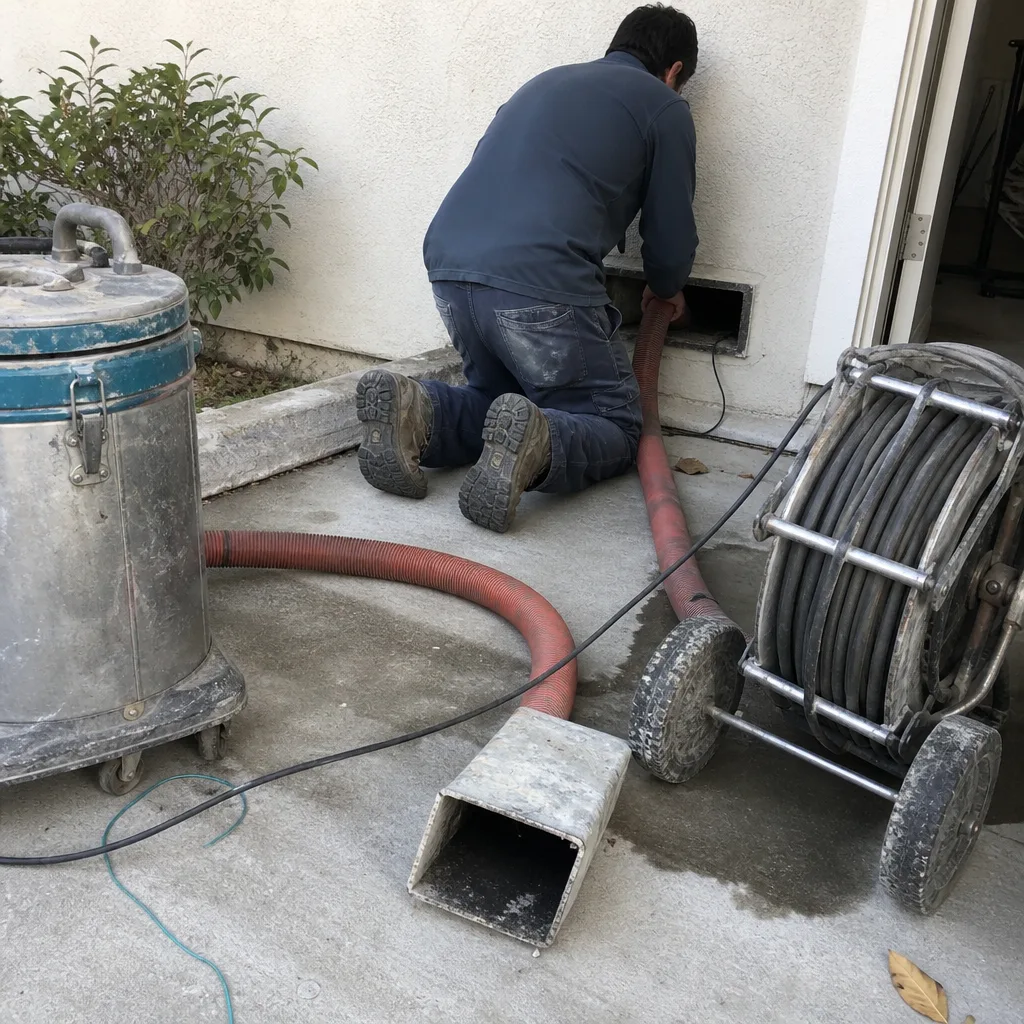 Before
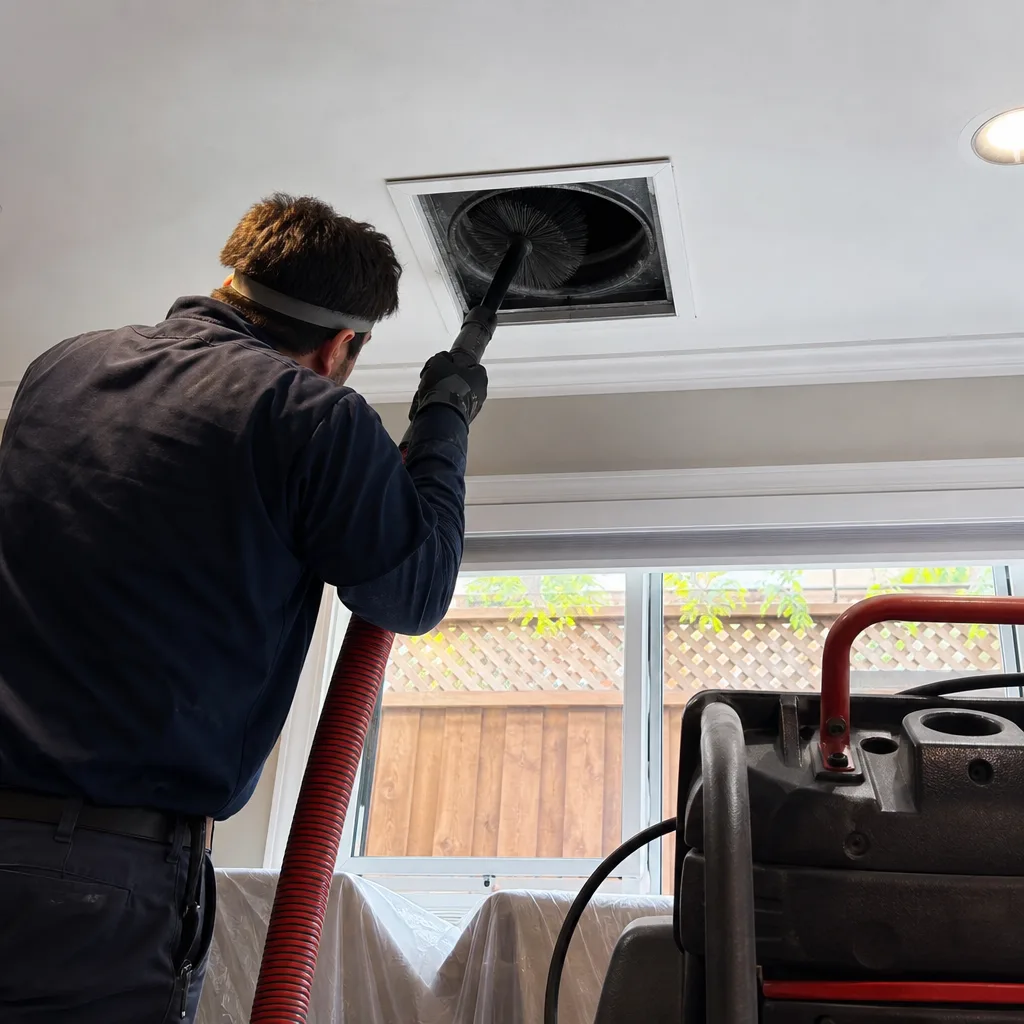 After
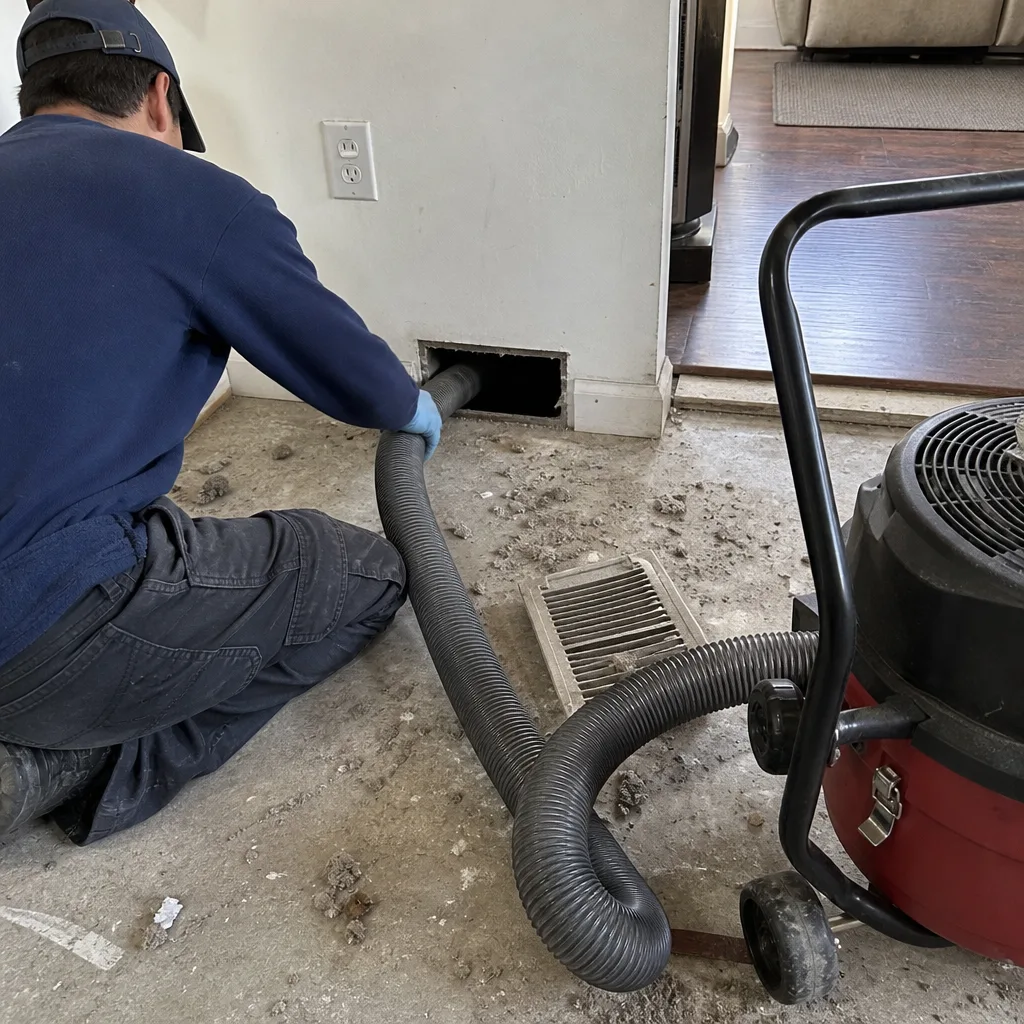 Before
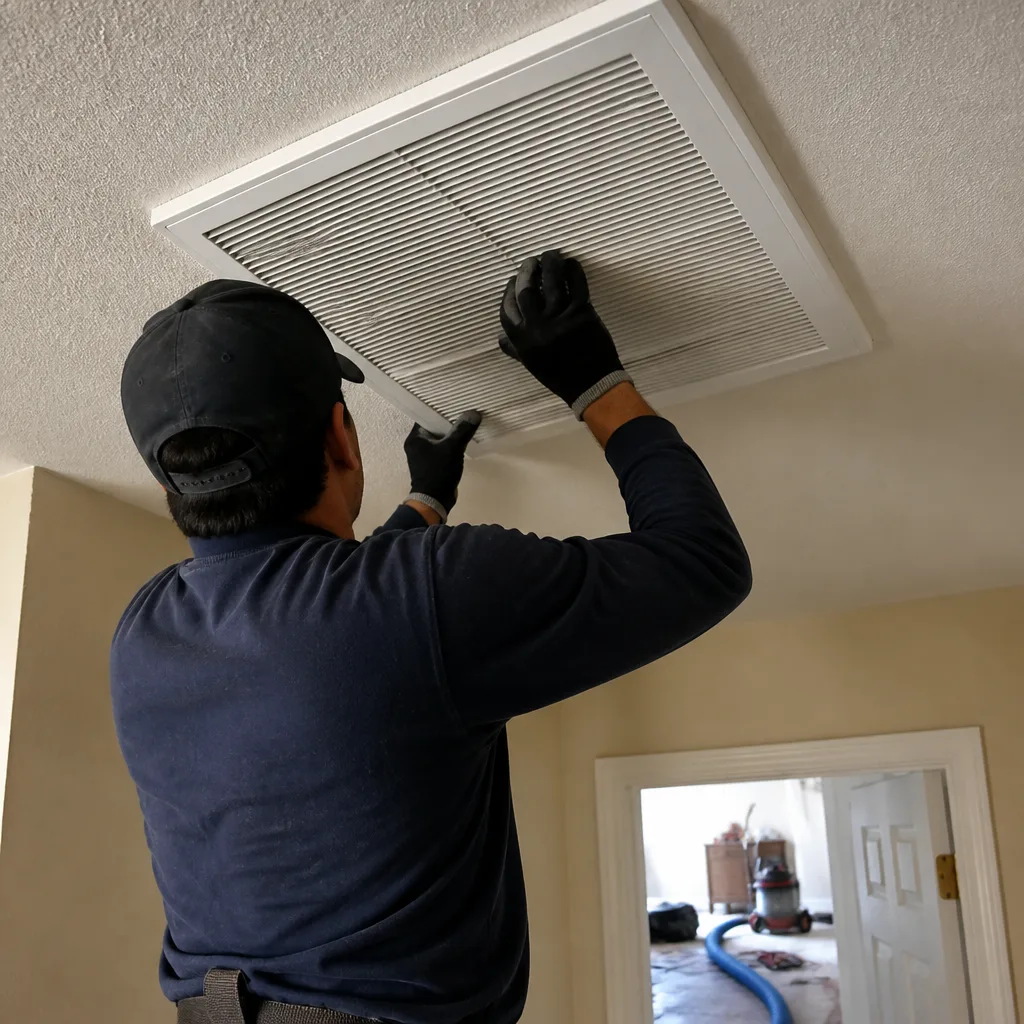 After
 Before
 After