
Last updated November 2, 2026
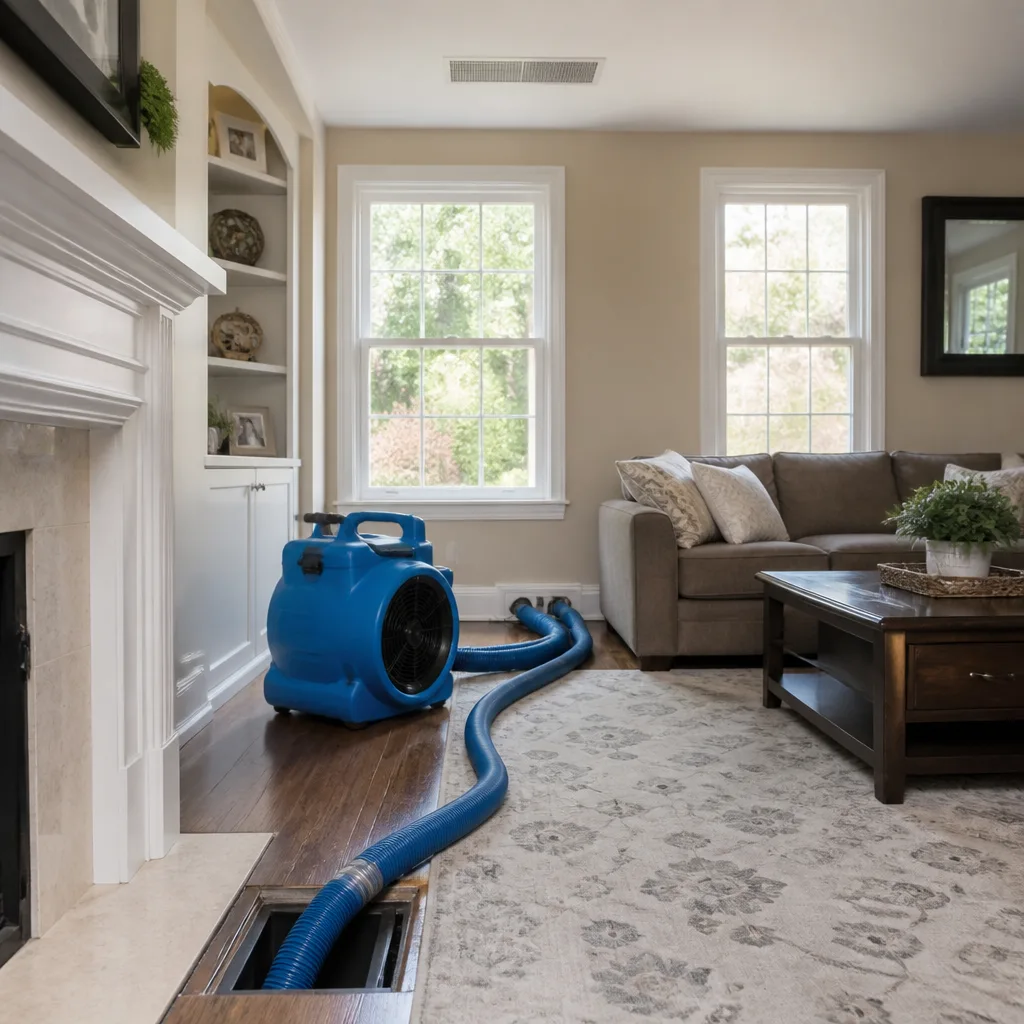 Whole-home duct cleaning
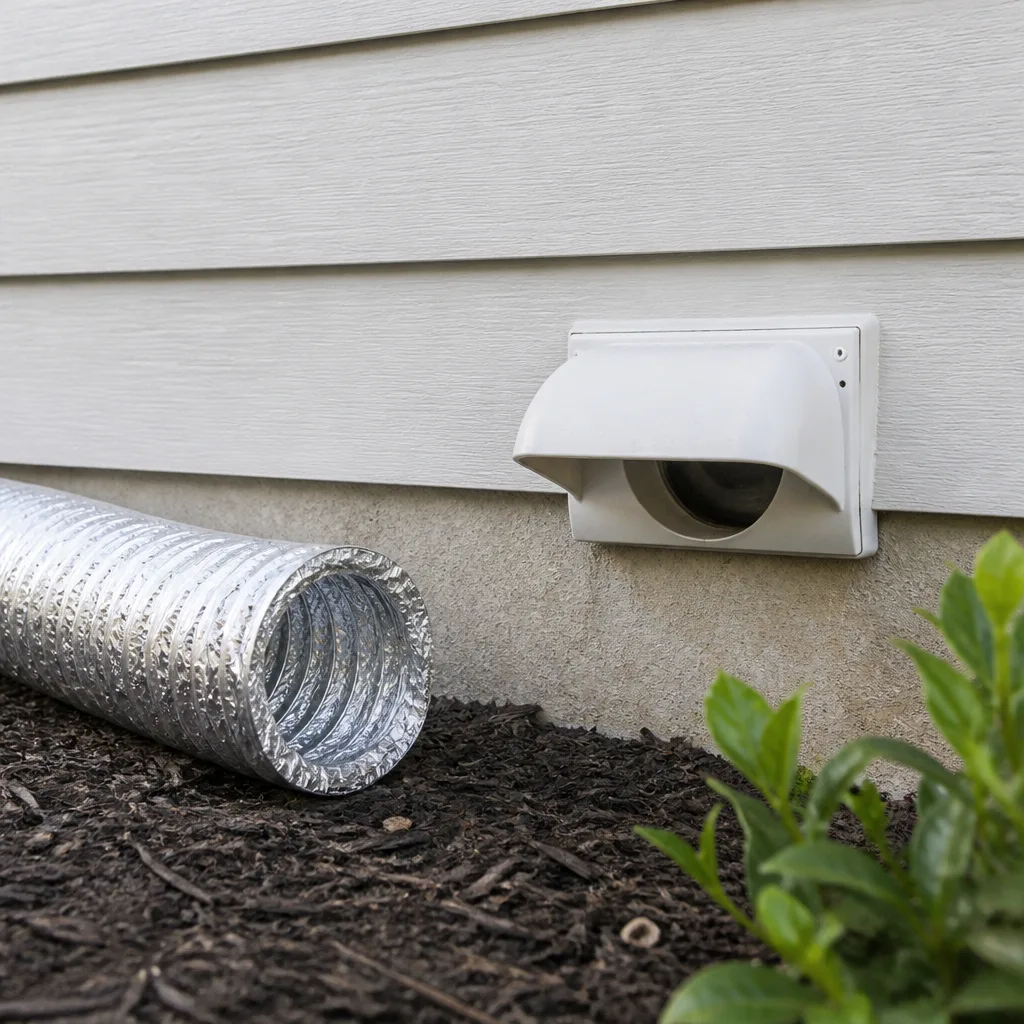 Dryer vent cleaning
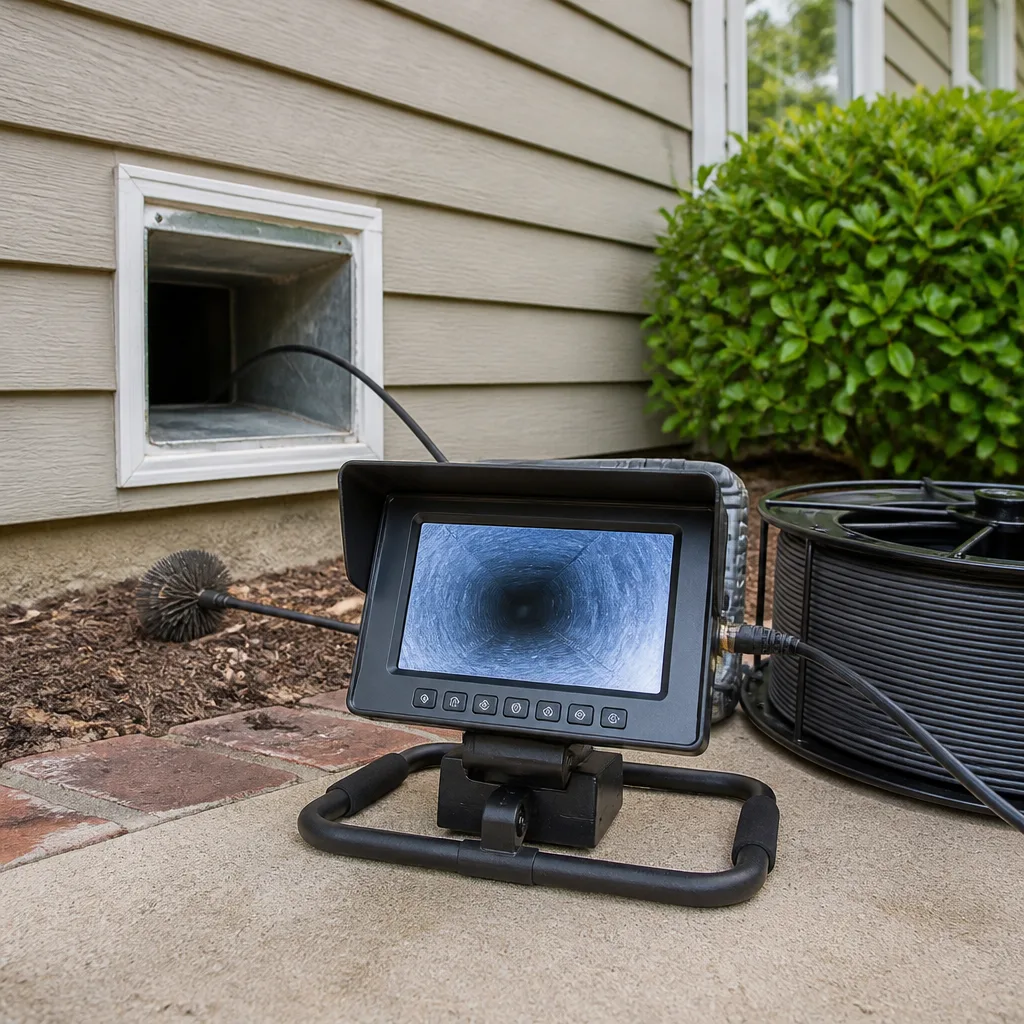 Camera inspection
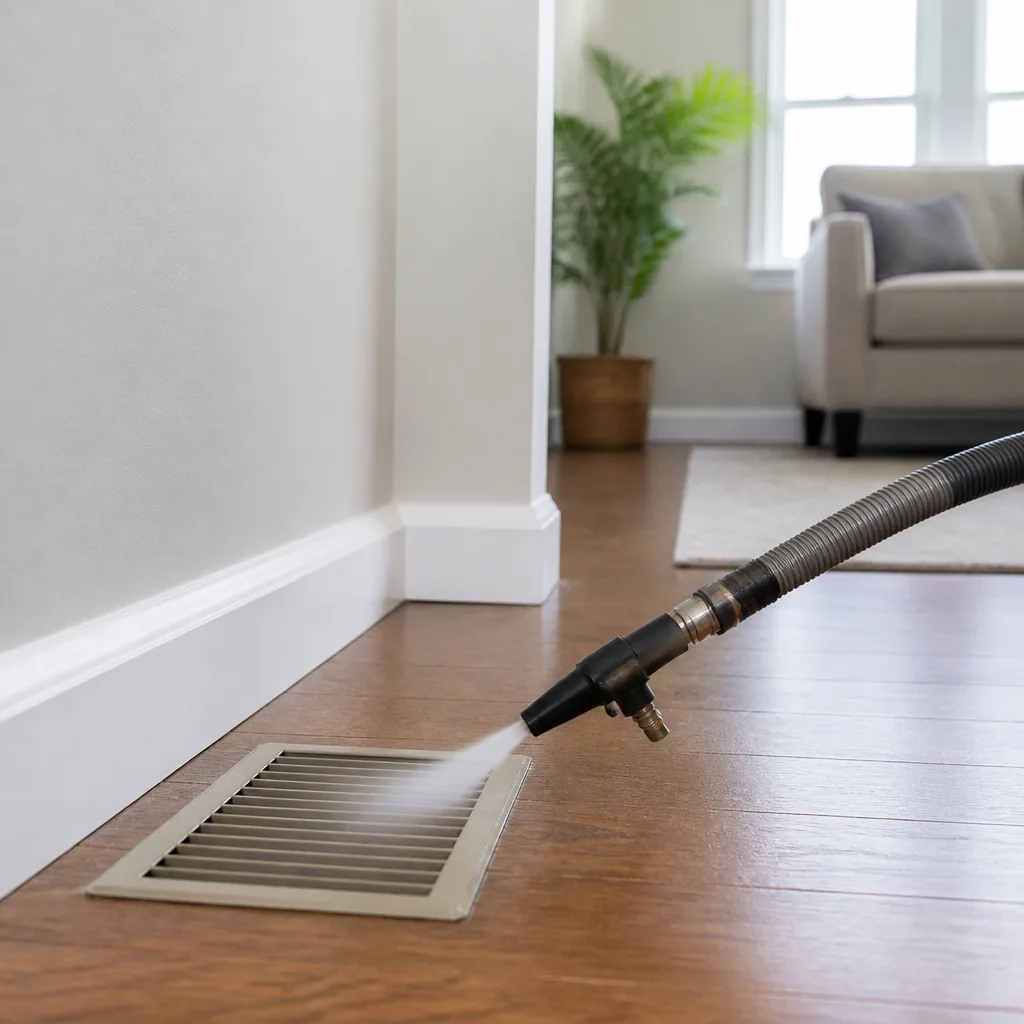 Sanitizing & deodorizing
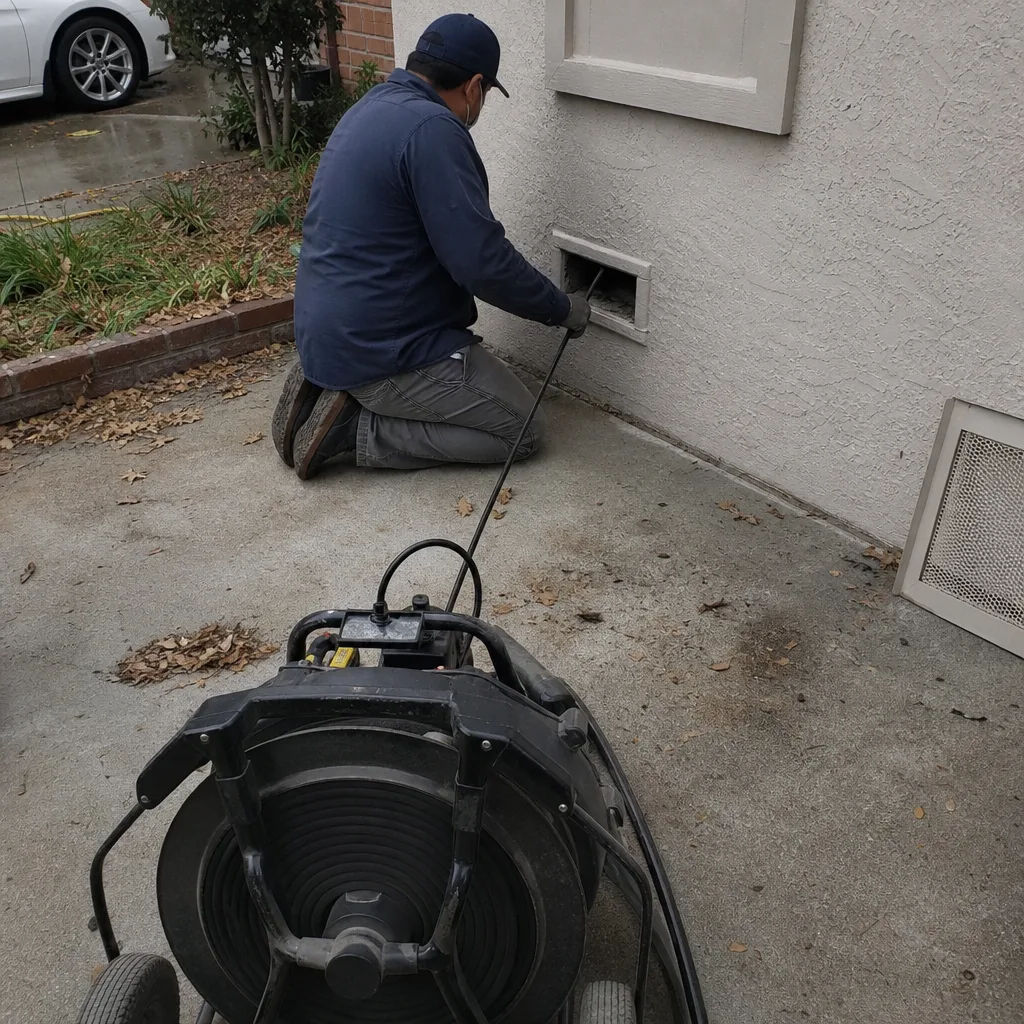
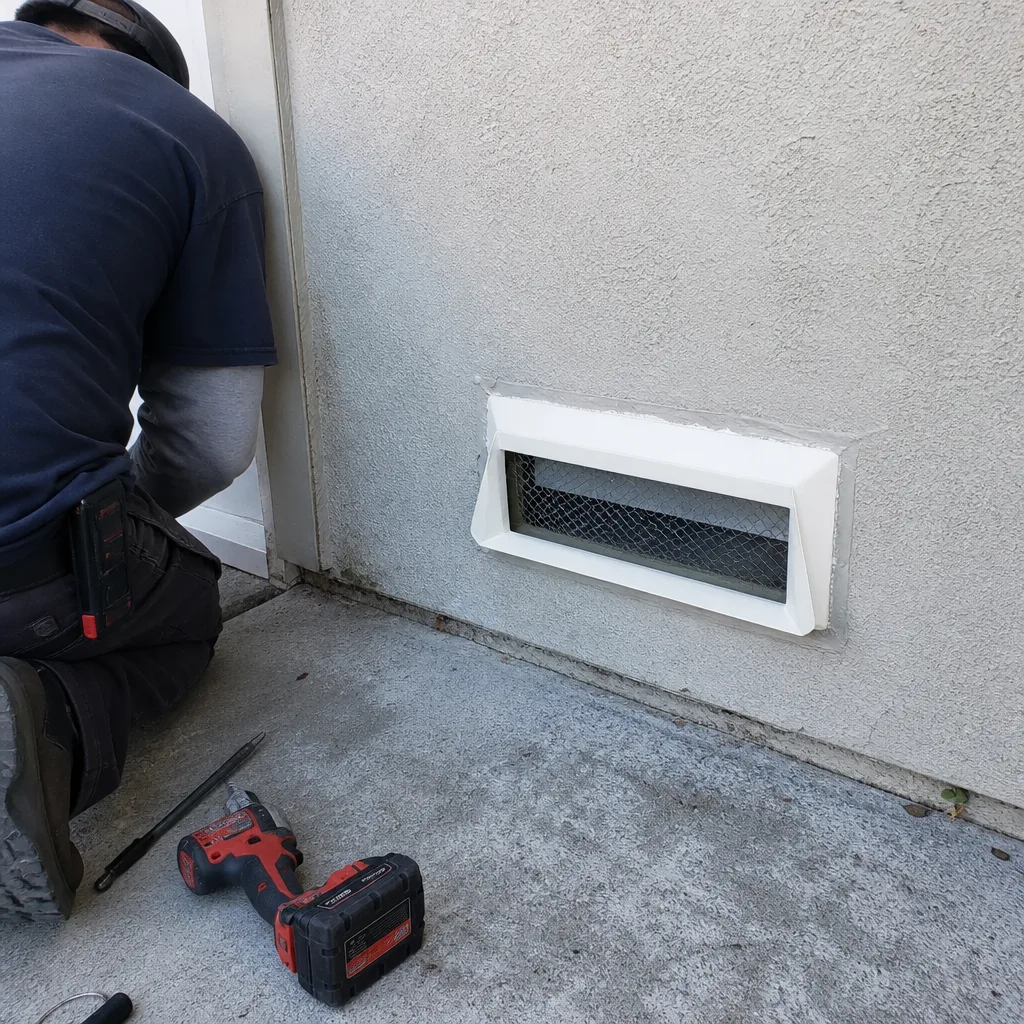
Whole-system duct and dryer vent check with before-and-after photos - you see exactly what came out of your vents
That "$99 whole-house special" is a bait ad - the real number appears once they are in your hallway, or the "clean" is a shop-vac at the register. We photograph the inside of your ducts before and after instead.
Air Duct Cleaning Maintenance Checklist for Santa Clara Homeowners
The most expensive mistake Santa Clara homeowners make isn’t skipping duct cleaning. It’s paying for it on a fixed annual schedule rather than on condition. A simple quarterly visual check of three specific points in your system tells you more than any sales pitch ever will. This guide lays out a calendar-based observation protocol for Santa Clara homes. You’ll learn what to inspect, when to inspect it, and how to document what you find so you never pay for cleaning your ducts don’t need, and never miss cleaning they do.
Styles & brands we work with
- Whole-home duct cleaning
- Dryer vent cleaning
- Camera inspection
- Sanitizing & deodorizing
Quick Answer
An Air Duct Cleaning maintenance checklist for Santa Clara homeowners is a quarterly 15-minute inspection routine covering three access points: the return grille, the supply registers, and the air filter housing. You’re looking for visible dust accumulation, airflow changes, and moisture or odor signals. Log your findings and call a professional only when the observations warrant it, typically every 2 to 4 years for Santa Clara homes, not annually.
Table of Contents
- The 15-Minute Quarterly Inspection Routine
- How to Log Baseline Airflow at Registers
- Santa Clara Seasonal Triggers to Add to Your Calendar
- Filter Maintenance vs. Duct Interior Maintenance: Where the Line Is
- How to Document Findings for an Accurate Contractor Scope
- What Professional Equipment Actually Looks Like
- Common Mistakes to Avoid
- When to Call a Professional
- Frequently Asked Questions
- The Bottom Line
The 15-Minute Quarterly Inspection Routine
Santa Clara’s climate does specific things to ductwork. The dry summers pull in dust from the Diablo Range foothills. The marine layer mornings from June through August add moisture that settles in duct interiors. The wildfire season, now a regular feature from August through October, introduces fine particulate that bypasses filters entirely. A quarterly check timed to these conditions catches problems before they become expensive.
Here’s the routine we recommend. It takes 15 minutes and requires nothing more than a flashlight, your phone camera, and a notepad or notes app.
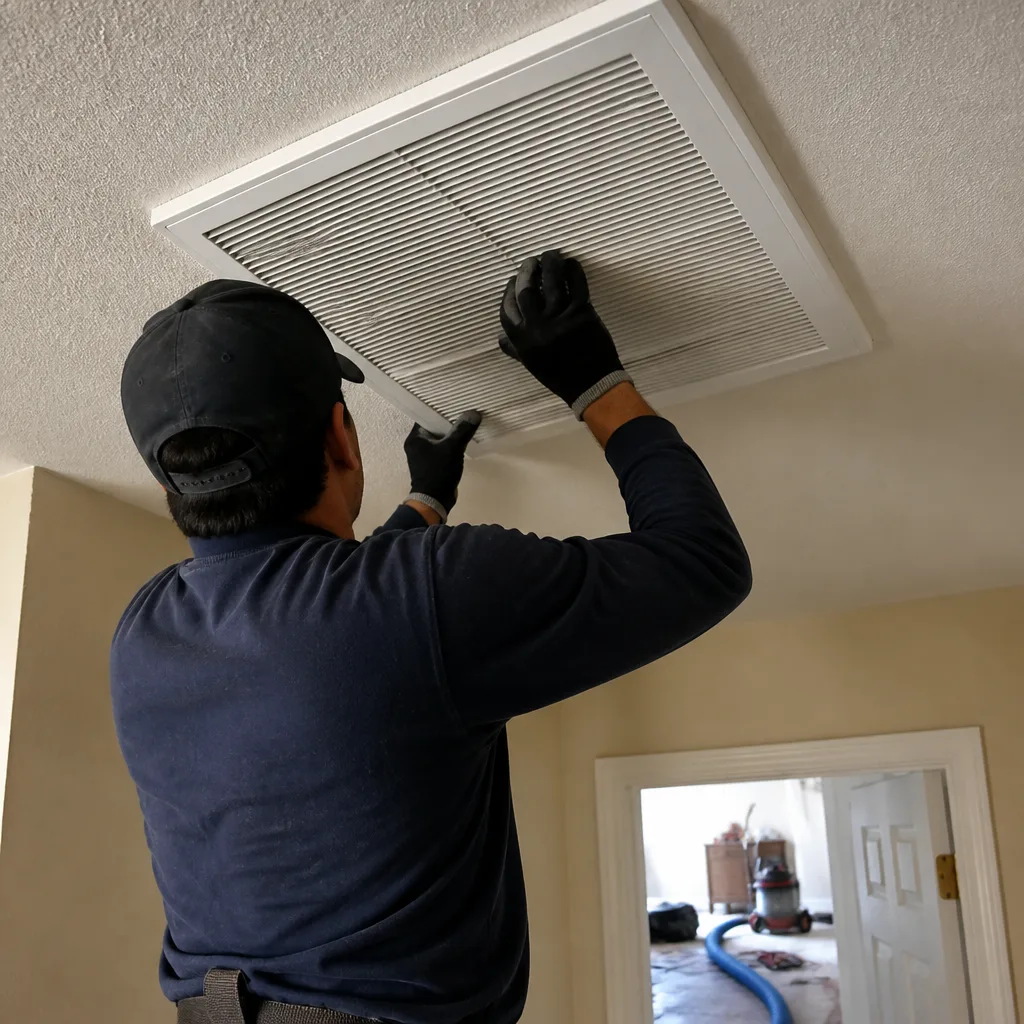
- Check the return grille. Remove it if it’s screw-mounted or hinged. Shine the flashlight inside the return cavity. Look for a visible dust film on the interior surfaces. A light gray coating is normal. A thick, textured accumulation that you can scrape with a fingernail is not.
- Inspect three supply registers. Pick one in the living room, one in a bedroom, and one in a hallway. Remove each register cover. Run a damp white cloth around the inside of the register boot, the metal transition piece between the duct and the wall opening. If the cloth comes back dark or greasy, you’re seeing particulate that has already blown through your filter and settled in the ductwork.
- Check the filter housing. Remove the filter. Look at the housing slot where the filter slides in. Dust accumulation on the clean side of the housing, the side downstream from the filter, means unfiltered air is bypassing the filter. This is a fitment issue, and it’s the single most common cause of premature duct contamination we see in Santa Clara homes.
- Listen at the registers. Turn the system fan on. Walk to each register. You should hear airflow, not whistling or rattling. A whistle indicates a restriction, often a closed damper, a crushed flex duct, or a filter that’s been left in too long. A rattle suggests loose debris in the duct.
- Note any odor. Turn the system off and stand near a supply register. A musty smell that appears only when the system runs points to moisture inside the ductwork. Santa Clara’s coastal morning humidity combined with cold air from the AC can create condensation inside poorly insulated ducts.
Run this routine in January, April, July, and October. Tie it to something you already do: the first weekend of each quarter, or the week you change clocks for daylight saving. The calendar anchor matters. Sporadic inspections don’t give you a useful baseline.
If you’d rather have a professional run this inspection with calibrated instruments, Air Duct Cleaning in Santa Clara covers a full system assessment as part of the service.
How to Log Baseline Airflow at Registers
Duct contamination doesn’t announce itself. It degrades airflow gradually, register by register, over months. By the time you notice a room feels stuffy, significant buildup has already occurred. A simple airflow log changes that. You don’t need an anemometer. You need consistency.
Here’s the method we teach Santa Clara homeowners:
- Set a fixed fan speed. Use the “Fan On” setting on your thermostat. Never test airflow on “Auto” because the system cycles unpredictably.
- Use a strip of tissue paper. Cut a strip about 12 inches long and 1 inch wide from a standard tissue or lightweight receipt paper. Tape one end to the register grille so the strip hangs across the opening.
- Observe and photograph. With the system running, the strip should lift to a consistent angle. Take a photo with your phone from the same position and angle each time. This becomes your baseline reference.
- Repeat at every register. Do this for each supply register in the house. Note which rooms show a noticeably flatter angle. Weak airflow at a single register typically points to a duct issue specific to that run. Weak airflow at every register points to a system-wide problem: a clogged filter, a failing blower, or a collapsed main trunk line.
- Log the date and any observations. A simple notes file works: “October 5, living room register tissue lifted 45 degrees, bathroom register barely moved.” Two years of these notes tells a contractor more than any single inspection could.
In our experience, homeowners who keep airflow logs catch duct problems 12 to 18 months earlier than those who don’t. The tissue test isn’t scientific, but it’s consistent. Consistency is what turns an observation into data.
Santa Clara Seasonal Triggers to Add to Your Calendar
Some events in Santa Clara should trigger an immediate duct inspection, regardless of where you are in your quarterly routine. These are the conditions that change your system’s contamination profile overnight.
- Post-wildfire season: October. Santa Clara sits downwind of fire activity in the Santa Cruz Mountains and the Diablo Range. During active smoke days, the fine particulate from wildfire smoke, PM2.5 and smaller, passes through standard residential filters. Even a MERV 11 filter captures less than 65% of PM2.5. The rest enters your ductwork and settles. Schedule a visual inspection the week after the first significant smoke event of the season. If you can smell smoke inside your home with the HVAC running, that odor is now in your ductwork.
- Post-remodel: within 2 weeks of project completion. Santa Clara has one of the highest rates of residential renovation in the Bay Area, driven by an aging housing stock and strong home equity. Drywall dust, sawdust, and paint overspray get pulled into return ducts during construction. This fine particulate is heavy, statically charged, and binds to duct surfaces. Wait until the project is fully complete and the dust has settled, then inspect. If your registers show a white or gray film that wasn’t there before, clean the ducts before running the system heavily.
- After HVAC service visits: within 48 hours. When a technician services your furnace, AC, or heat pump, they disturb what’s inside the cabinet. Dislodged debris gets pushed into the duct runs. A quick register check after service tells you whether that debris ended up in your living space. This is not a criticism of HVAC techs; it’s a reality of the work. Service disrupts settled material.
- After a duct cleaning: 2 weeks later. If you’ve had your ducts cleaned, do a register check two weeks after the service. Here’s what we call the clean-baseline confirmation: the register boot should stay clean, indicating the cleaning did what it was supposed to. If dust reappears quickly, you have a source problem: a leaking return duct pulling attic air, a filter bypass, or a damaged duct section.
Santa Clara’s specific geography matters here. Homes in the northern part of the city, closer to Alviso and the bay, get more moisture exposure. Homes in the southern foothills, toward the Santa Cruz Mountains, get more dust and wildfire exposure. Your trigger sensitivity should match your microclimate.
Filter Maintenance vs. Duct Interior Maintenance: Where the Line Is
Here’s the most persistent misunderstanding in the industry. Homeowners are told duct cleaning is “maintenance” in the same way that filter changes are maintenance. It isn’t. Filter maintenance is your job. Duct interior maintenance is a contractor’s job. The line between them is the filter itself.
Your job: the filter. Change or clean your filter on a schedule that matches your home’s conditions. In Santa Clara, homes with pets, homes near construction, and homes occupied during wildfire season should check filters monthly. A standard 1-inch pleated filter in a typical Santa Clara ranch or two-story needs changing every 30 to 90 days. Write the installation date on the filter frame with a marker. It’s the simplest record you can keep.
Your job: the registers and grilles. Vacuum the register covers and return grilles quarterly. A brush attachment on any household vacuum handles this. Wipe the visible surfaces with a damp cloth. This keeps surface dust from being pulled into the system when the fan cycles.
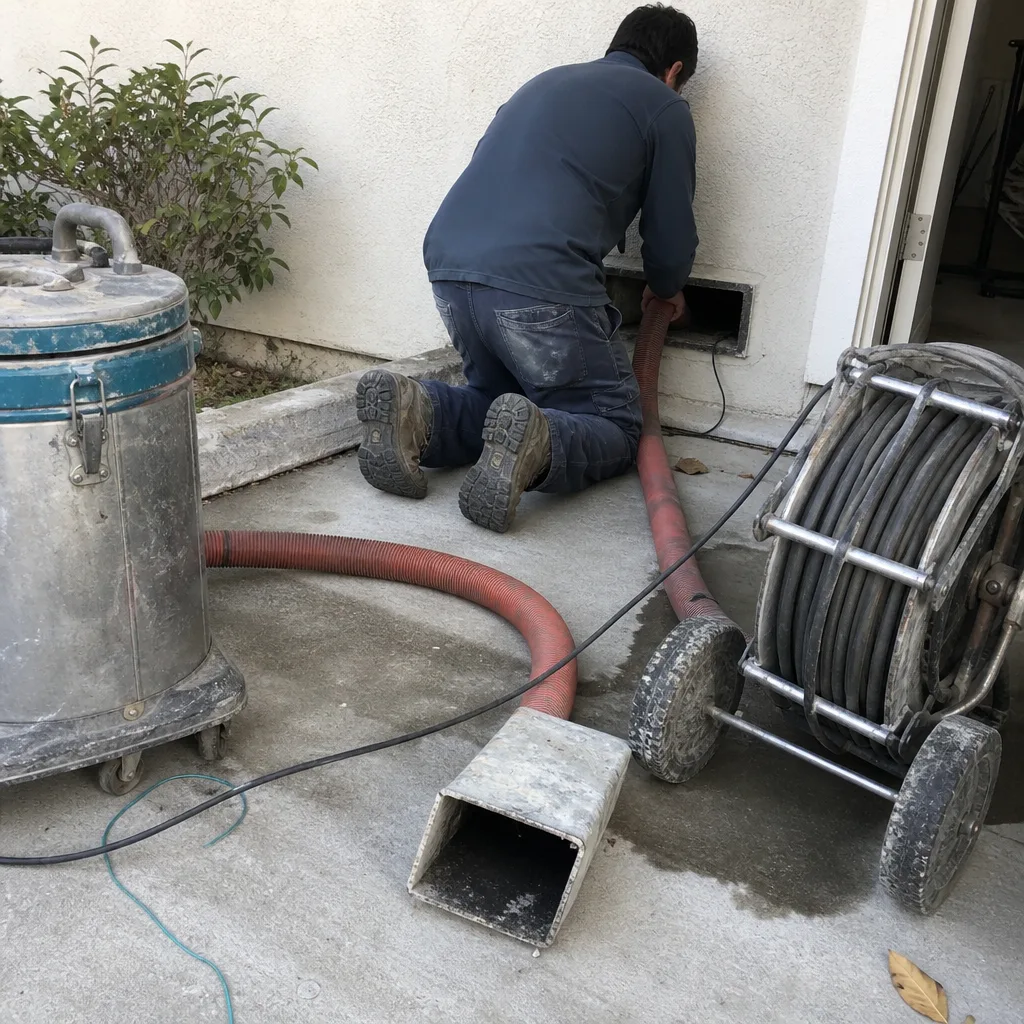
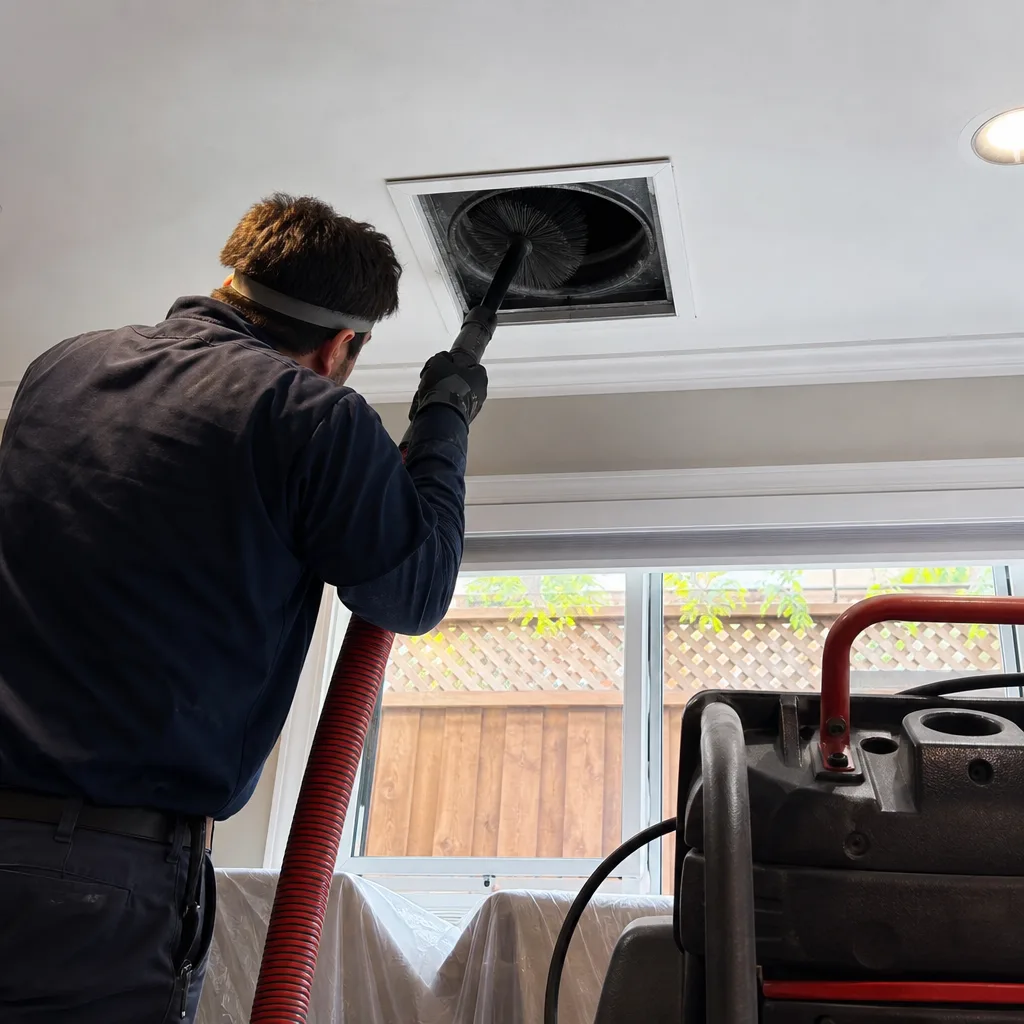
The contractor’s job: the duct interior. The interior surfaces of your supply and return ductwork are not accessible without professional equipment. The Rotobrush and Nikro systems used by commercial restoration contractors rotate agitation heads through the full duct run while negative pressure pulls dislodged material into a HEPA-filtered vacuum. This is not a job for a shop vac, and it’s certainly not a job for a homeowner. The duct interior should be cleaned when observation warrants it, typically every 2 to 4 years for most Santa Clara homes, never on a rigid annual schedule.
The line in practical terms: if you can reach it with a household vacuum, it’s your maintenance. If it requires a rotating brush, a high-powered vacuum system, or access into the duct run itself, it’s a contractor’s job. That line protects you from both neglect and unnecessary expense. We also provide Air Duct Repair in Santa Clara for the things inspection turns up that go beyond cleaning: separated joints, crushed flex runs, and damaged boots.
How to Document Findings for an Accurate Contractor Scope
A blanket quote is the industry’s dirty secret. A contractor who gives you a flat price without seeing your system is guessing. The best contractors want to know what they’re walking into. Your quarterly inspection log lets you hand them a scope, not a blank check.
Here’s what we want to see when a Santa Clara homeowner calls us:
- System age and type. Note the year of installation, which you’ll find on the furnace or air handler nameplate, and the type: forced air furnace, heat pump, or central AC with a separate furnace. Include the number of supply registers and the number of returns. A typical Santa Clara home has 8 to 14 supply registers and 1 to 3 returns.
- Your filter history. Log what filter type you use, MERV rating if visible, and how often you change it. A homeowner who changes a MERV 8 filter monthly is doing better than one who changes a MERV 11 filter twice a year. The filter record tells us how much particulate has likely reached the duct interior.
- Your airflow log. Bring the tissue test photos and any notes about rooms that run hot or cold. Register-level variations point us to specific duct runs before we even open the system.
- Your visual findings. Photos of register boots, return cavities, and filter housings with dates. A clear photo of a dirty register boot taken in April is more useful than your memory of it in October.
- Anything you’ve noticed. Odors when the system cycles, allergy symptoms that worsen when the HVAC runs, visible dust on furniture within days of cleaning, unexplained energy bill increases. These observations build a picture no camera can capture.
When you call for a quote, tell the contractor you have an inspection log. The response tells you everything. A company that says “great, send us what you have and we’ll confirm on site” is doing professional work. A company that ignores your log and pushes a flat price is running a volume operation. Choose accordingly. For dry-vent needs alongside duct work, see Dryer Vent Cleaning in Santa Clara.
What Professional Equipment Actually Looks Like
If you’ve read this far, you understand the observation side of duct maintenance. The intervention side matters too, because not all duct cleaning is the same – see our Air Duct Cleaning Troubleshooting: Common Problems and How to Fix Them for deeper guidance. The equipment a contractor brings to your Santa Clara home determines what actually gets removed from your ducts.
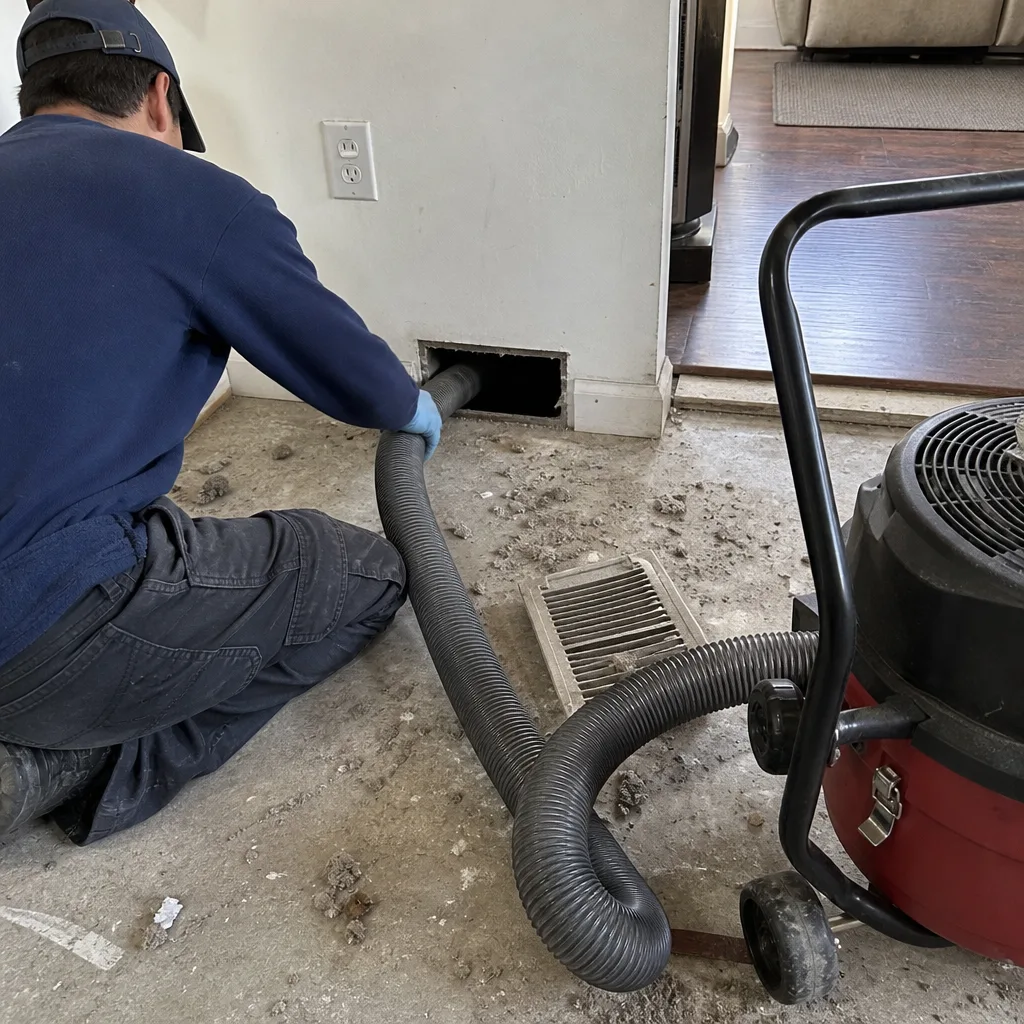
Most duct cleaning companies operate portable vacuum units, often gas-powered, that plug into the duct system through a single access point. These units move air. They don’t necessarily remove what’s adhered to the duct walls. That requires agitation. Without a rotating brush or compressed air whip inside the duct run, a vacuum alone leaves the film that matters.
Restoration contractors, the companies that clean ducts after fires, floods, and mold events, use a different tier of equipment. Rotobrush systems use a motorized brush head that travels the full duct length, agitating walls while vacuum pressure extracts debris. Nikro systems use compressed air whips combined with heavy negative-air machines, the same approach used in asbestos abatement. Abatement Technologies builds HEPA-negative air machines designed for contamination control, not convenience cleaning. These are the tools you want in your ducts if your inspection log says cleaning is warranted.
We use Rotobrush and Nikro systems on every cleaning. We carry Abatement Technologies equipment for situations where your inspection turned up more than routine dust. We’re also trained on Honeywell and Aprilaire residential air quality installations, the two most common platforms in Santa Clara homes. That matters because your ducts are only one part of the air pathway. The filter cabinet, the UV system, the ventilation controls: a technician who understands the whole path can tell you whether what you’re seeing at the register is a duct problem or an equipment problem.
Guardsman-grade products round out our toolkit. The standard is simple: commercial-grade equipment, residential pricing. If a company shows up with a portable vacuum and a set of brushes from a hardware store, you’re not getting the same result. The Heritage Duct Cleaning home page covers our full service scope.
Common Mistakes to Avoid
- Cleaning on a fixed annual schedule regardless of condition. Ducts that don’t need cleaning don’t benefit from cleaning. The observation protocol tells you when. In Santa Clara, a home with good filter discipline and no renovation or wildfire exposure typically goes 3 to 4 years between cleanings. A home with pets, old carpets, and a wildfire smoke season might need it every 18 to 24 months.
- Treating the filter as optional. The filter is the primary defense for your ducts. Running the system without one, or with one that’s been in for a year, pulls unfiltered air through the ductwork. Every month of unfiltered operation adds months of cleaning need later.
- Ignoring the return side. Homeowners check supply registers and forget the return grille. The return side pulls in the dirtiest air in your home and deposits it directly into the duct system. A dirty return cavity is usually the canary in the coal mine.
- Cleaning ducts after a remodel without addressing the source. If renovation dust is in your ducts, that dust also coated your walls, floors, and furniture. Clean the living space first, then the ducts. Otherwise you’ll pull new dust into freshly cleaned ducts within days.
- Assuming a high-efficiency filter eliminates duct cleaning. A MERV 13 filter catches more particulate at the filter, which is good. But no filter catches everything, and the filter only helps if it’s properly seated. A high-MERV filter with a poor fit in the housing still lets bypass air through.
- Using per-vent pricing as a comparison tool. Some companies quote per vent, others quote per system. Per-vent pricing obscures the total and creates incentive to upsell additional vents. A flat system price agreed before work starts, with before-and-after photos, is the standard you should expect.
- Relying on memory instead of a log. “I think it’s been about five years” is not data. The quarterly inspection log with photos takes 15 minutes and answers the only question that matters: has anything changed?
When to Call a Professional
Your observation protocol will flag the moments when professional help is warranted. Call a duct cleaning professional if your quarterly inspection shows a thick dust film inside the return cavity or register boots that recurs within weeks of cleaning, or if your airflow log shows a persistent decline at one or more registers that filter changes don’t correct. Be sure you understand Air Duct Cleaning Permits, Codes & Inspections in CA: What You Need to Know before hiring. Call immediately if you smell musty odors from the supply registers when the system runs, or if you can see visible mold growth on any accessible duct surface. Post-wildfire season in Santa Clara is a specific trigger: if smoke infiltrated your home during a Santa Cruz Mountains fire event, schedule an inspection that fall. Heritage Duct Cleaning offers free estimates in Santa Clara: call (855) 550-3778.
Frequently Asked Questions
For most Santa Clara homes, duct cleaning is warranted every 2 to 4 years, not annually. Homes with pets, homes near the wildfire exposure corridors in the southern foothills, and homes that have undergone renovation may need cleaning more frequently. Your quarterly inspection log, not the calendar, should drive the decision. Call (855) 550-3778 for an assessment if your log shows visible accumulation or airflow decline.
Filter maintenance is routine and yours to manage: check it monthly, replace or clean it every 30 to 90 days depending on conditions. Duct interior cleaning requires professional equipment like the Rotobrush and Nikro systems used by restoration contractors, and should only be done when observation shows it’s needed. The filter protects the ducts; the ducts don’t clean themselves.
No. A higher-MERV filter reduces particulate entering the ductwork, which extends the time between cleanings, but it doesn’t stop all contamination. Hair, construction dust, and smoke particles small enough to pass a residential filter still enter the system. The only way to know what’s accumulating is the quarterly visual check.
Request before-and-after photos of the duct interiors as part of the service agreement. A professional cleaning with Rotobrush or Nikro equipment should visibly change the interior surfaces of your supply and return runs. After the cleaning, do a register boot check with a white cloth two weeks later: a clean result confirms the work. Heritage Duct Cleaning provides before-and-after photos on every job.
Whole-system duct cleaning in Santa Clara typically runs between $400 and $900 depending on home size, number of systems, and degree of contamination. Companies quoting per-vent prices often create confusion about total cost. A flat system price agreed before work starts is the standard to demand. Call (855) 550-3778 for an exact quote with a free estimate.
Yes, and it’s more urgent. A clogged dryer vent is a fire hazard independent of your air ducts. Check the exterior vent flap monthly for airflow during a dryer cycle, and clear lint from the accessible interior duct runs. A professional dryer vent cleaning should happen at least annually for most Santa Clara homes. Dryer Vent Cleaning in Santa Clara covers the full process.
The Bottom Line
A maintenance checklist for Santa Clara homeowners comes down to a quarterly 15-minute habit: check the filter housing, the return grille, and three supply registers. Log airflow at your registers with the tissue test so you have a baseline. Add Santa Clara-specific triggers to your calendar: post-wildfire season in October, post-remodel within two weeks of completion, and post-HVAC-service within 48 hours. Know the line between your maintenance and a contractor’s job. Document what you find so you get an accurate scope, not a blanket quote. And when the observations say it’s time, call a professional who brings commercial-grade equipment. Heritage Duct Cleaning has served Santa Clara homeowners since 2015. Call (855) 550-3778 for a free estimate.
Written by the team at Heritage Duct Cleaning, serving Santa Clara since 2015. Explore more guides & resources on duct maintenance and indoor air quality.
See the difference
 Before
 After
 Before
 After
 Before
 After