
Last updated November 2, 2026
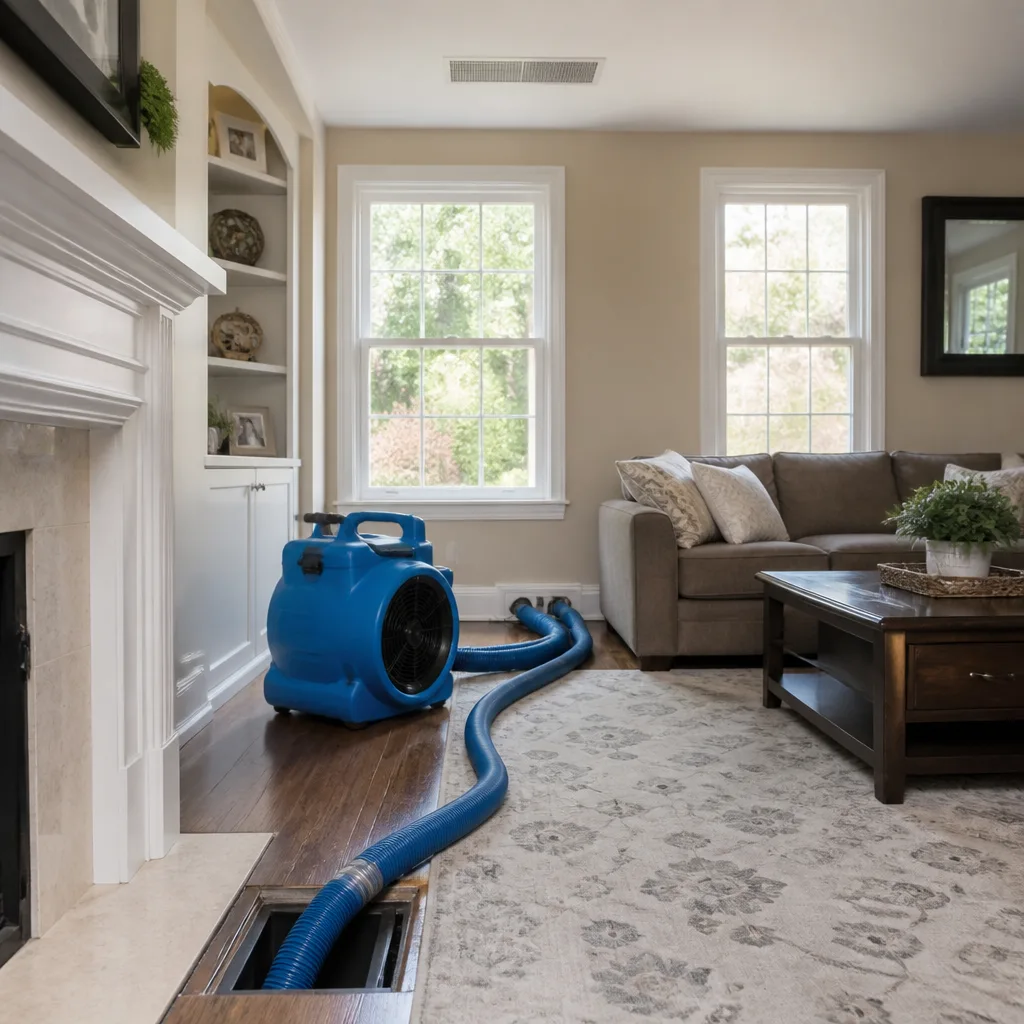 Whole-home duct cleaning
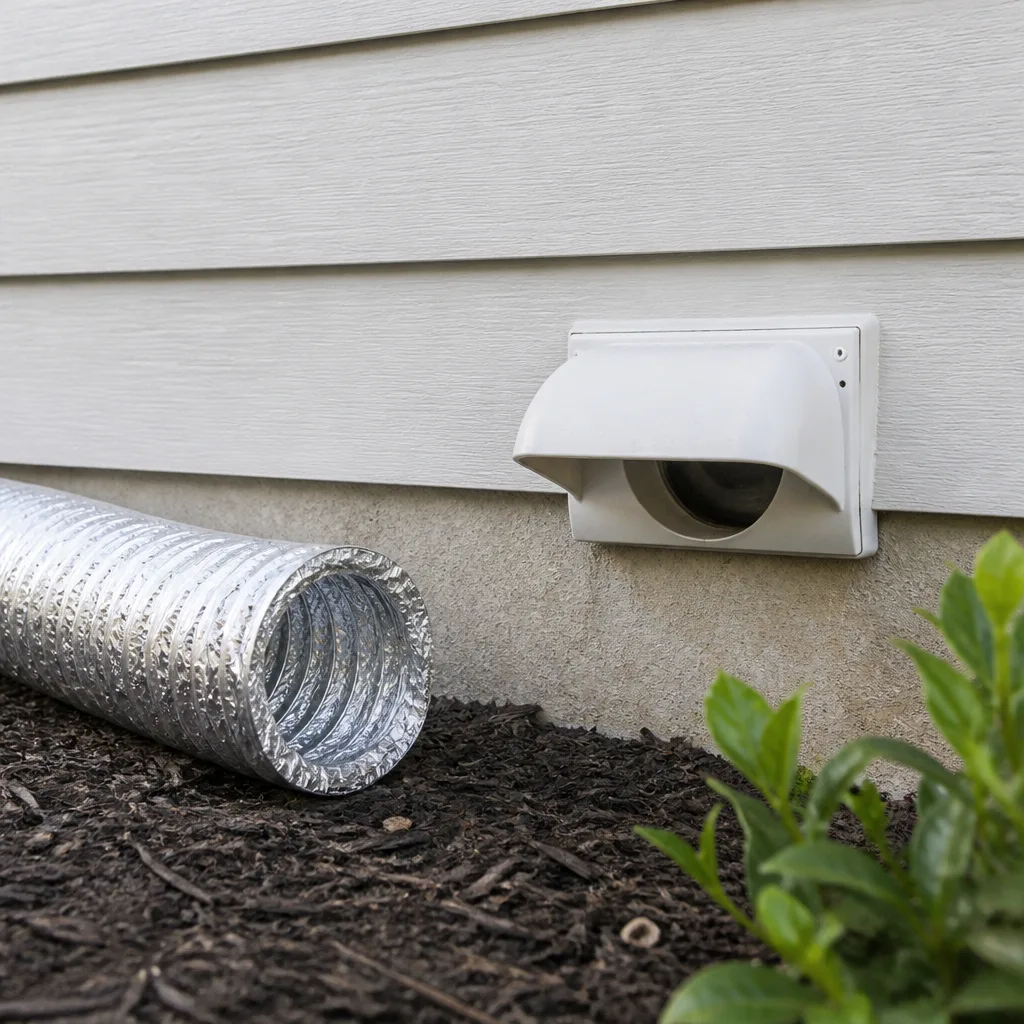 Dryer vent cleaning
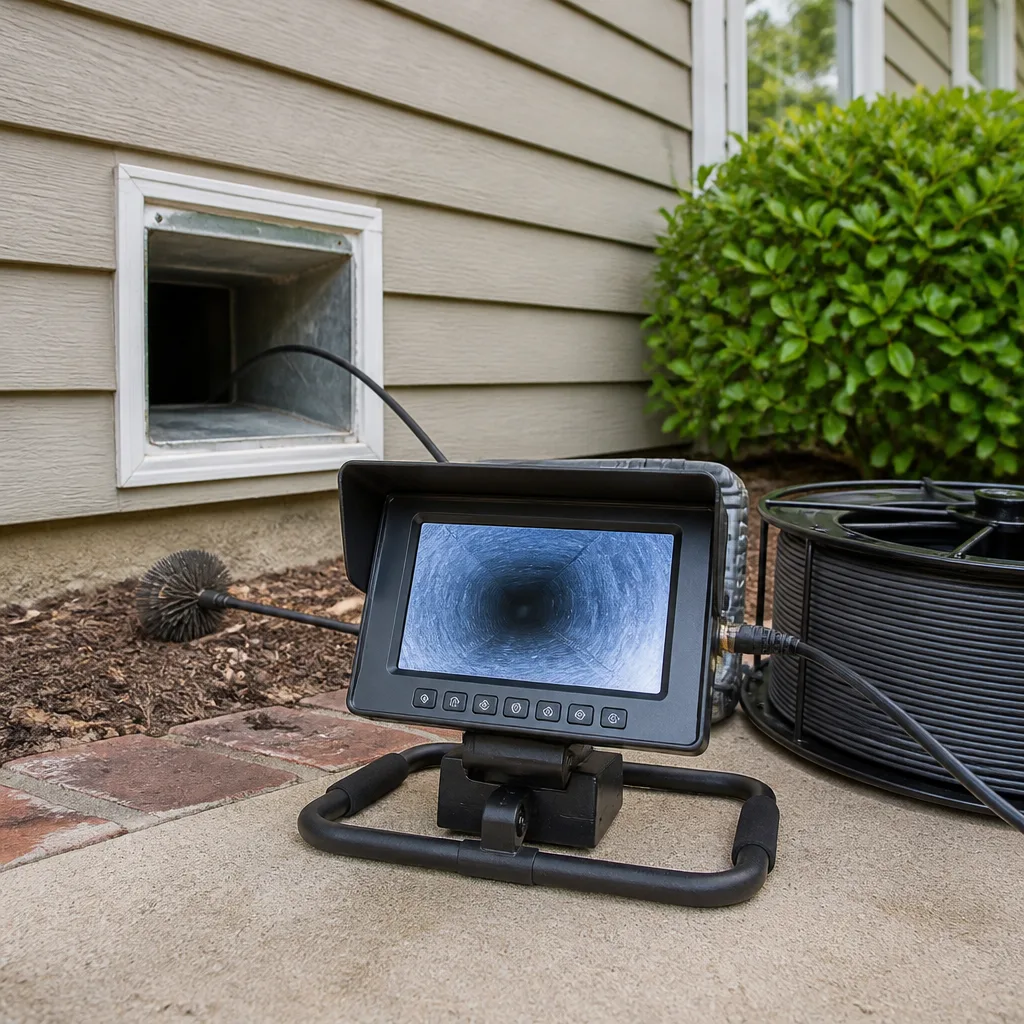 Camera inspection
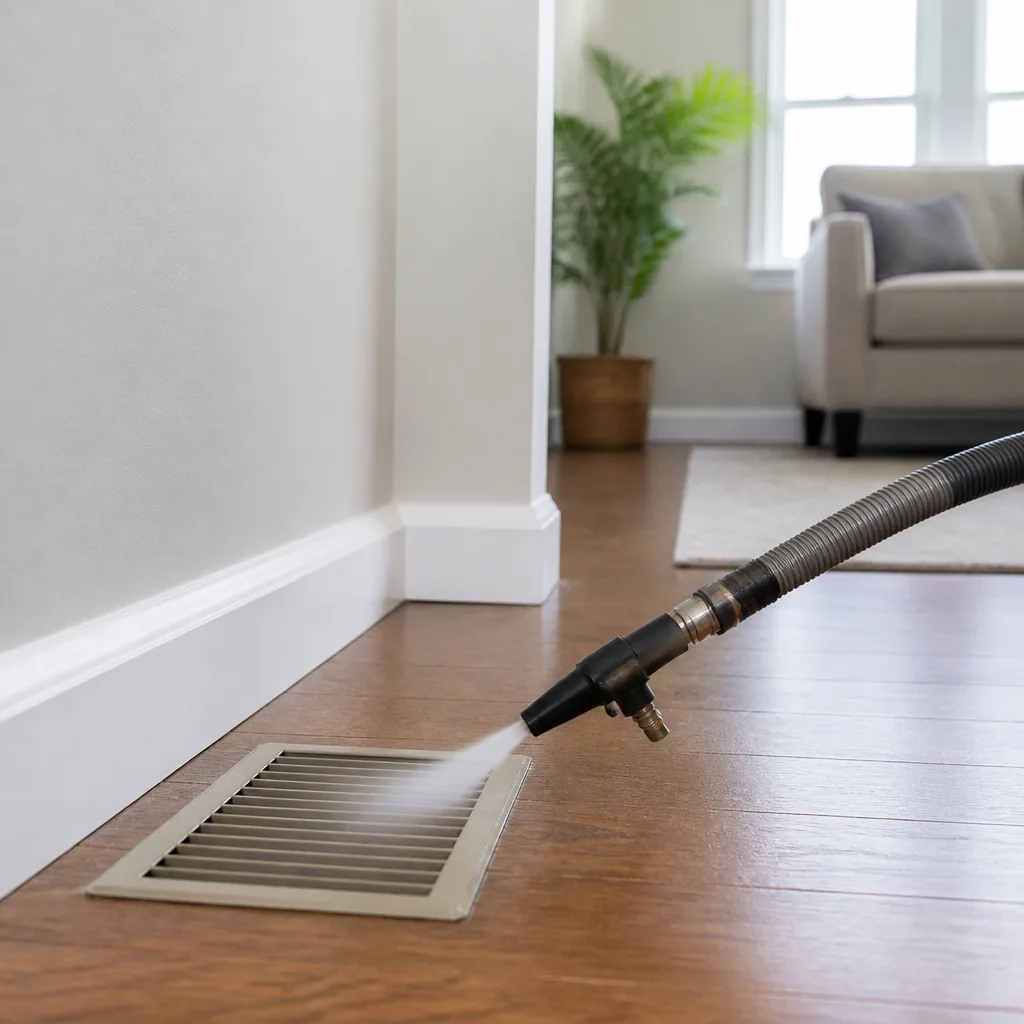 Sanitizing & deodorizing
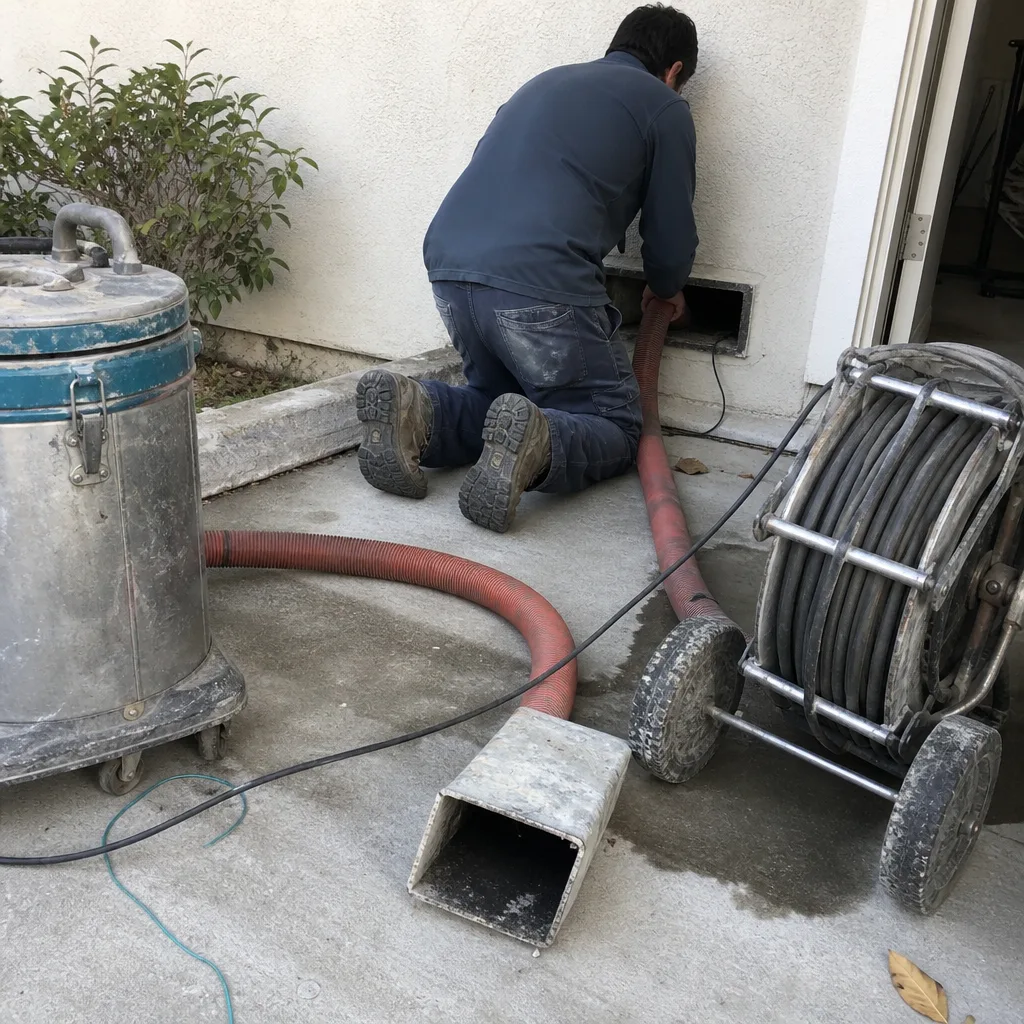
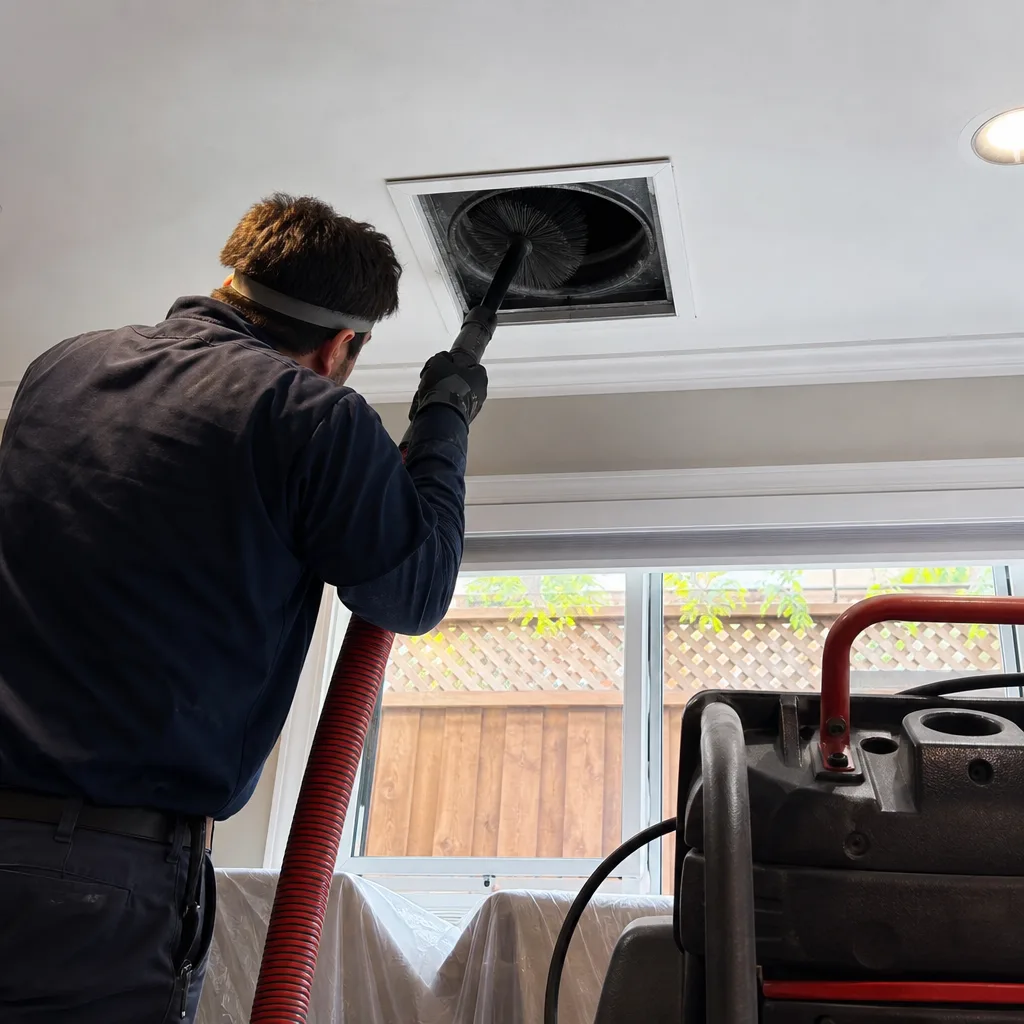
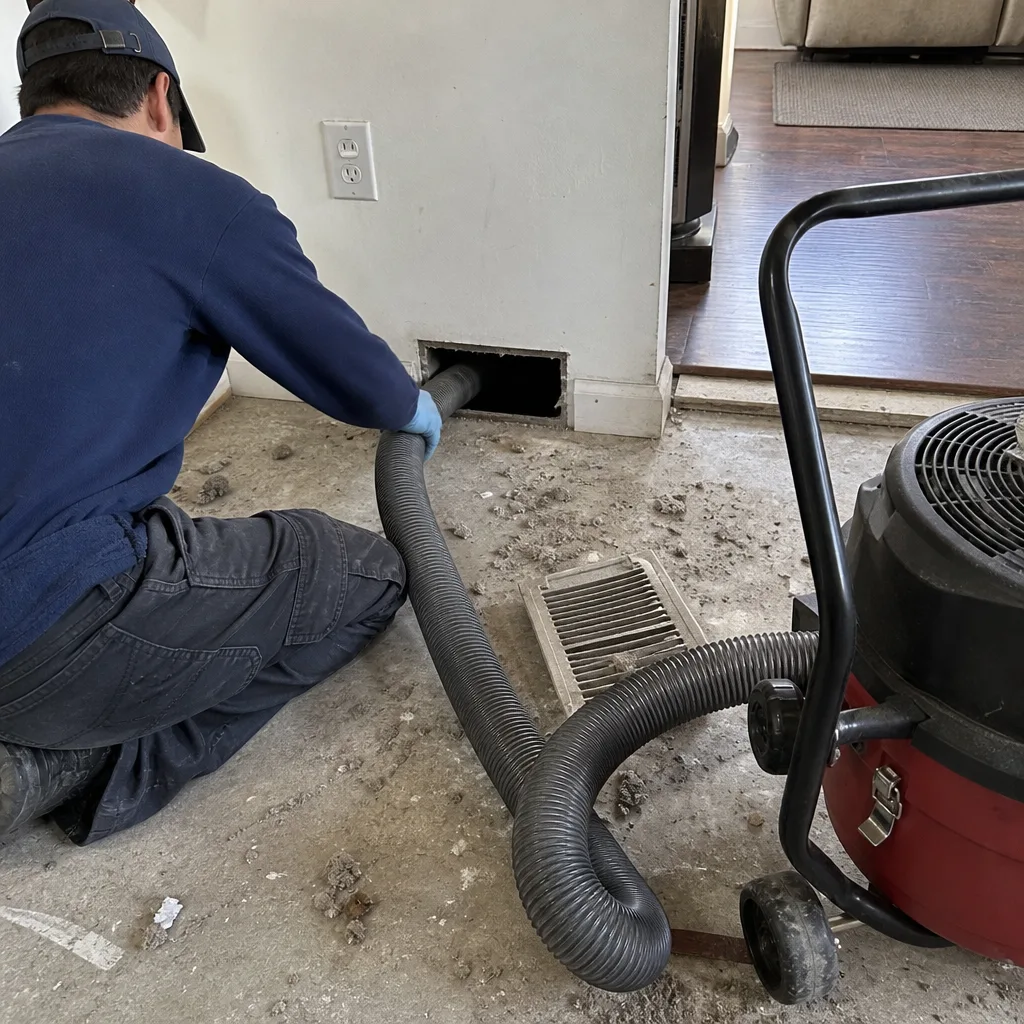
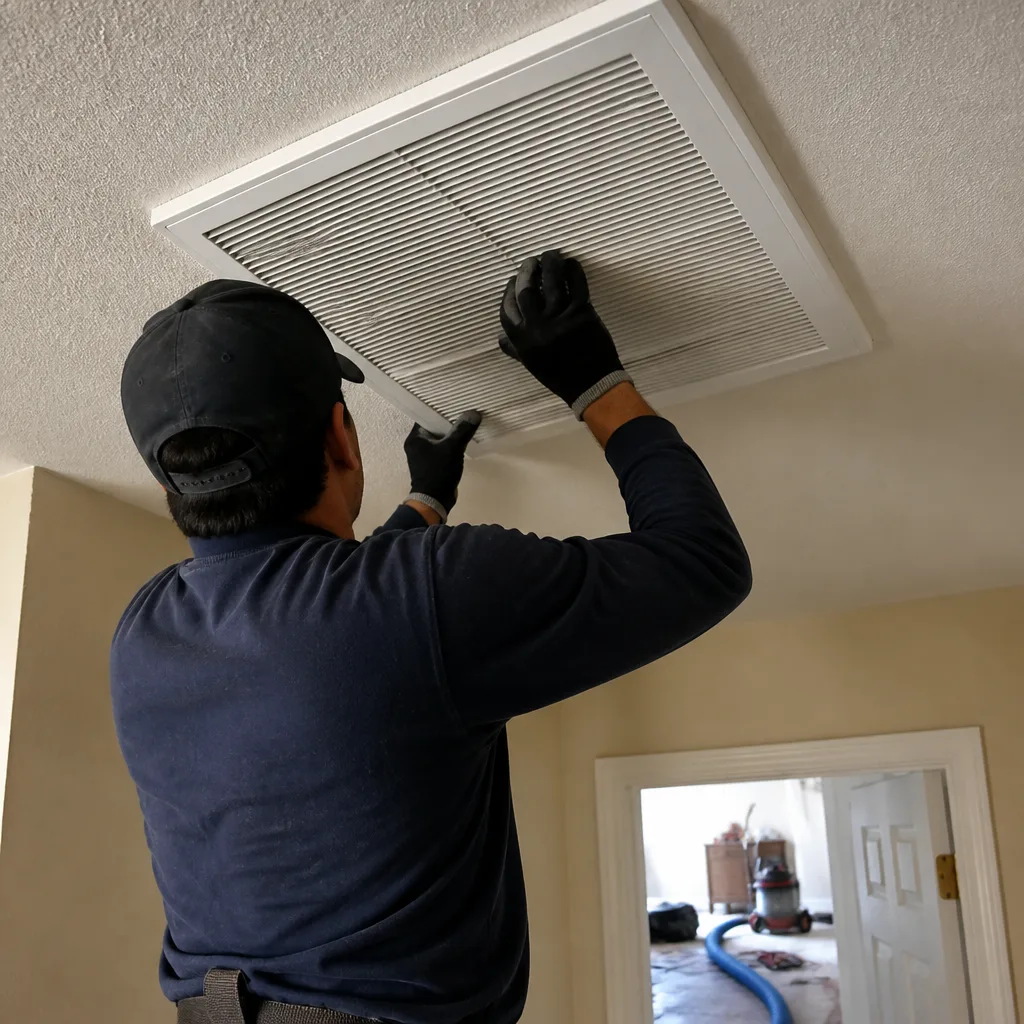
Whole-system duct and dryer vent check with before-and-after photos - you see exactly what came out of your vents
That "$99 whole-house special" is a bait ad - the real number appears once they are in your hallway, or the "clean" is a shop-vac at the register. We photograph the inside of your ducts before and after instead.
Air Duct Cleaning Permits, Codes & Inspections in CA: What You Need to Know
Here’s something that surprises most Santa Clara homeowners: the $400 air duct cleaning you booked doesn’t require a permit, but the “quick fix” a tech makes while they’re inside your ductwork might. A disconnected section reattached, a gap sealed with mastic, a crushed return duct reshaped – each of these crosses from cleaning into modification, and California’s Title 24 has specific language about what happens next. This guide draws that line clearly, section by section, so you understand exactly when ductwork becomes a code issue, what Santa Clara’s building department expects, and how unpermitted work inside your walls can resurface at resale. For related reading, see our Air Duct Cleaning Warning Signs: A Santa Clara Homeowner’s Reference Guide. By the end, you’ll know what to ask any contractor before they touch your system.
Styles & brands we work with
- Whole-home duct cleaning
- Dryer vent cleaning
- Camera inspection
- Sanitizing & deodorizing
Quick Answer
Air duct cleaning does not require a permit anywhere in California, including Santa Clara. However, once a contractor repairs, seals, replaces, or modifies ductwork – even incidentally during a cleaning job – that work can trigger permit requirements under California Energy Code Title 24, Part 6, and the California Mechanical Code. The distinction hinges on whether ductwork is returned to its existing condition (cleaning) or altered, repaired beyond minor reconnection, or replaced (construction work).
Table of Contents
- Cleaning vs. Repair: Where California Draws the Line
- Title 24, Part 6: What It Actually Says About Ductwork
- Santa Clara’s Building Department and HVAC Modifications
- Duct Sealing: When Mastic and Metal Tape Cross into Permitted Work
- How to Document Incidental Repairs So You Have a Paper Trail
- What Unpermitted Duct Work Looks Like on a Home Inspection
- Contractor Qualifications: What a Duct Modification Permit Requires in California
- Common Mistakes to Avoid
- When to Call a Professional
- Frequently Asked Questions
- The Bottom Line
Cleaning vs. Repair: Where California Draws the Line
The California Mechanical Code (CMC), which adopts and amends the Uniform Mechanical Code, defines “cleaning” as maintenance work that restores a system to its designed operating condition. Air duct cleaning – running brushes, negative air machines, and agitation tools through existing ductwork to remove debris – falls squarely under maintenance. No permit is required for this in any California jurisdiction, Santa Clara included. Think of it like washing the outside of your car: you’re not changing how the car functions, just restoring its condition.
Repair, by contrast, means restoring or replacing a component to working order. Section 103 of the CMC, read together with Santa Clara’s local amendments, requires permits for “mechanical work” that involves altering, modifying, or replacing parts of a system. The practical difference matters: a tech who dislodges a section of flex duct during cleaning and simply reattaches it to the existing collar with the existing fasteners has likely done maintenance-adjacent work. A tech who cuts out a crushed section of duct and splices in new material has performed a repair that, technically, requires a permit.
Here’s the honest part most guides won’t tell you: in practice, Santa Clara’s building department is not issuing permits for a 3-foot flex duct splice. But that doesn’t mean the code distinction is meaningless. The distinction matters because of documentation. If that splice fails, leaks conditioned air into your attic, and gets flagged during a later home inspection, you’ll want a paper trail showing who did the work, when, and to what standard. Permits exist, in part, to create that record. When they’re skipped, you bear the risk.
Title 24, Part 6: What It Actually Says About Ductwork
California’s Title 24, Part 6 – the California Energy Code – is the document most Santa Clara homeowners have never read but should at least understand at a high level. It governs energy efficiency requirements for buildings, and it dedicates significant attention to duct systems because leaky ducts are one of the largest sources of residential energy loss in the state.
Section 150.0 of Title 24, Part 6 sets mandatory requirements for duct insulation, sealing, and installation. When new ductwork is installed or existing ductwork is substantially altered, Title 24 requires specific sealing methods (listed in Section 150.0(m)(13)) and, in many cases, verification by a HERS (Home Energy Rating System) rater. The practical upshot for a Santa Clara homeowner: if a contractor replaces more than a small segment of ductwork, adds new supply runs, or alters the system’s configuration, the work may require both a building permit and HERS verification.
The code’s language matters because real estate disclosures in the Bay Area market increasingly ask about “unverified duct modifications.” A buyer’s home inspector who flags patched ductwork with visible non-code materials (like duct tape, which has been prohibited for duct sealing in California for years) creates a disclosure issue. You, the seller, then have to explain work you didn’t know was done by a contractor whose name you may not remember. That’s not a theoretical problem in Santa Clara’s competitive real estate environment, where buyers regularly ask for documentation on any work visible in crawl spaces and attics.
Santa Clara’s Building Department and HVAC Modifications
Santa Clara operates its own building department, separate from the county’s unincorporated-area permitting system. The City of Santa Clara has adopted the California Building Standards Code (Title 24) with local amendments, and its Building Division reviews mechanical permits for HVAC work within city limits.
Here’s what Santa Clara homeowners need to understand about the department’s practical expectations. The city’s permit process for mechanical work is not designed to harass homeowners. It’s designed to ensure that duct modifications meet safety and energy standards, that they don’t create fire hazards, and that they’ll survive a transfer of ownership. When you pull a mechanical permit in Santa Clara, you’ll pay a fee based on the value of the work, and the city will schedule an inspection if the scope warrants one. Small repairs like reconnecting a separated duct section generally don’t trigger an inspection requirement, but larger alterations – adding a new return, rerouting supply runs, replacing a duct trunk – often do.
Three questions to ask yourself when a contractor says they found something during a cleaning that needs repair. First: is this fixing something that was already broken, or changing the system’s design? Second: will this affect air distribution or energy performance? Third: if I sell this home in five years, will I be able to show documentation for this work? If the answer to the third question is “no,” that’s your signal to ask for a permit or, at minimum, a written description of the repair that you can file with your home records. In Santa Clara’s real estate market, documentation has real dollar value at close.
Duct Sealing: When Mastic and Metal Tape Cross into Permitted Work
Duct sealing is the grayest area in this entire conversation, and it’s where most incidental repairs during a cleaning happen. A tech finds a 6-inch gap where a duct boot has separated from a floor register. They pull out mastic – a thick, brush-applied sealant – and seal the gap. Helpful, right? It is. But it’s also a modification to the duct system that changes its airtightness, which is exactly what Title 24 cares about.
The technical threshold in California is this: sealing existing joints and seams to restore the system’s designed airtightness is generally considered maintenance. But if the sealing is meant to bring a non-compliant system into compliance – meaning the ductwork has known leakage beyond code allowances and the sealing is a corrective action – then it reads as repair work. In practice, a contractor sealing a separated boot during a cleaning will almost never pull a permit for that act alone. The nuance is about the magnitude of the sealing. A single seam sealed with mastic is one thing. Sealing every visible joint in a duct system because it was installed poorly in 1992 is another thing entirely. The second scenario, done correctly, is a permitted retrofit project.
Here’s a useful rule of thumb. If the duct sealing work can be finished in under an hour with materials costing under $100 while the tech is already in your attic, you’re in incidental-repair territory. If sealing the ductwork involves planning, materials lists, and a separate visit, you’re in project territory. And in project territory, Santa Clara’s Building Division expects a permit. At Heritage Duct Cleaning, we’ve adopted a simple internal policy: any repair beyond a small reconnection or a single seam sealing gets documented in writing – what was found, what was done, what materials were used, and when. Our air duct repair services in Santa Clara always include that documentation, whether or not a permit was required for the specific scope. You’d be surprised how few contractors do this automatically.
How to Document Incidental Repairs So You Have a Paper Trail
The scary scenario in real estate transactions isn’t the permitted work. It’s the unpermitted, undocumented work buried in an attic that a home inspector flags with language like “duct modifications observed – permits not available.” That sentence appears in Bay Area inspection reports constantly, and it costs sellers money every single week. Here’s how to make sure you’re never that seller.
- Ask for a written description before the contractor starts any repair. If you scheduled a cleaning and the tech finds something that needs attention beyond cleaning, ask them to write down – even in a sentence – what they found and what they propose to do. This forces the work from incidental to explicit.
- Request the materials and brands used. “Sealed gap at supply boot with UL-listed mastic, 3-inch separation at main trunk in attic near master bedroom” is a document. “Fixed some duct stuff” is not. Insist on the former.
- Take before-and-after photos. Every phone has a camera. Five photos of attic ductwork take two minutes and become a permanent record. Share them with the contractor so they can comment on what was done.
- Ask the contractor to note whether the repair is within the scope of what they’d consider maintenance. This matters because it establishes intent. If the contractor says it’s a routine fix, that’s your paper trail if a home inspector later calls it something more serious.
- Store everything with your home records. Most California homeowners have no idea where their HVAC documentation is. Create a folder. Title 24 energy documents, equipment manuals, repair records – all in one place. When you sell, hand it to the buyer. It de-risks the transaction immediately.
This process takes ten minutes per incident. Compare that to the hours and dollars consumed when unpermitted work gets flagged during escrow. In the Bay Area market, where buyers routinely ask for credits for undocumented work, the calculation is obvious. The team at Heritage Duct Cleaning home services prepares this kind of documentation on every job, including our air duct cleaning in Santa Clara when we note conditions that may need future attention.
What Unpermitted Duct Work Looks Like on a Home Inspection
Home inspectors in the Bay Area are not building code enforcers, but they’ve seen enough unpermitted work to recognize it quickly. When a Santa Clara home inspector walks through an attic or crawl space, they’re looking at ductwork with a trained eye. Here’s what draws their attention:
- Non-code sealing materials. Duct tape – the literal fabric tape with the silver backing – has been prohibited for sealing ductwork in California energy codes for decades. It dries, cracks, and falls off. When inspectors see it on duct seams, they flag it immediately.
- Mismatched duct types and sizes. A 6-inch flex duct connected to an 8-inch rigid trunk with an improvised adapter is a red flag for unpermitted modification. Same with visible gaps at connections that have been “fixed” with anything other than mastic or listed metal tape.
- Blank-off plates and abandoned runs. When duct systems are modified without permits, installers sometimes cap off old runs with sheet metal and screws. Inspectors recognize these caps for what they are: evidence that the system was changed after installation.
- Disconnected or non-functional vent terminations. A supply register in a wall with no duct behind it, discovered during the inspector’s register-by-register check, signals that the system was altered and the paperwork never followed.
In a Bay Area real estate transaction, language like “unpermitted duct modifications visible in attic – recommend review by licensed contractor” translates to money. Buyers request inspection credits. Sellers scramble to find documentation that doesn’t exist. Deals get delayed. And the irony is that most of this work was probably done competently and harmlessly by someone who simply didn’t pull a permit. The problem was never the workmanship. It was the silence. If you’re buying a home in Santa Clara and the inspection flags duct modifications, ask the seller for permits or documentation. If they can’t produce them, factor a possible duct inspection and reseal into your cost calculations. And if you’re preparing a home for sale, deal with duct documentation before the buyer’s inspector does. Heritage Duct Cleaning’s repair documentation is structured to satisfy exactly this buyer scrutiny – it’s one reason property managers and listing agents in Santa Clara call us before inspections.
Contractor Qualifications: What a Duct Modification Permit Requires in California
California requires any contractor performing work on duct systems – including modifications that require a permit – to hold a C-20 (Warm-Air Heating, Ventilating and Air-Conditioning) contractor’s license from the Contractors State License Board (CSLB). That seems obvious, but it’s frequently violated. The CSLB receives complaints every year about unlicensed individuals performing duct repair work, especially in the form of “handyman specials” that homeowners discover too late were never permitted and never inspected.
The C-20 classification is specific. It covers “the fabrication, installation, and repair of warm-air heating, ventilating, and air-conditioning systems,” which includes ductwork. A general contractor without a C-20 can legally subcontract duct work to a C-20 holder, but they cannot perform the work themselves. When a Santa Clara homeowner hires a duct cleaning company for a cleaning and that company ends up modifying ductwork, the homeowner has a right to ask for the CSLB license number and verify the C-20 classification. Licensed contractors are required to include their license number on contracts and advertising. If a cleaning company won’t provide it, that’s a signal.
There’s one more layer worth understanding. Since 2021, the CSLB has required all licensed contractors to comply with ongoing education requirements, and the Board has increased enforcement on unlicensed activity in the HVAC space specifically. The reason is straightforward: unpermitted duct work was flourishing in California’s renovation economy, and the state recognized it as a consumer protection problem. For Santa Clara homeowners, the takeaway is simple. If your cleaning reveals duct damage, the person who fixes it should be a C-20 contractor. If they’re not, the work they do – and the risk it creates – sits entirely with you. Our service van in Santa Clara carries C-20 licensed technicians who work with Rotobrush and Nikro systems – the same commercial-grade equipment used in professional restoration work – and Abatement Technologies units for situations where contamination extends beyond routine cleaning. We don’t perform HVAC installation, but the duct repair work we do is done to a standard that a building inspector can review with confidence.
Common Mistakes to Avoid
- Assuming all duct work is permit-free. The most common assumption in Santa Clara is also the most expensive. Cleaning is maintenance. Repair and modification are construction. The line sits between them, and it’s a line you need to know.
- Letting a tech do “quick fixes” without documentation. The tech means well. The mastic seal takes four minutes. But a year later, when a buyer’s inspector asks what happened, you won’t have an answer. Ask for a written note before the work happens.
- Using duct tape for anything duct-related. It’s banned by California energy code for duct sealing. It fails. It falls off. If you see duct tape on your ductwork in a Santa Clara attic, someone did unpermitted work at some point.
- Hiding unpermitted work when selling your home. Sellers sometimes assume that what buyers don’t know won’t hurt them. In California, you’re legally required to disclose known material defects. Unpermitted work that affects energy performance or safety qualifies. Disclose it, document it, or fix it before listing.
- Accepting a verbal “it’s covered” from a contractor for repairs without confirming the license and permit status. In Santa Clara specifically, the city has been proactive about mechanical permit compliance during resale reviews. A verbal assurance means nothing on paper.
- Confusing a cleaning company’s scope with a repair company’s credentials. Many duct cleaners are not licensed HVAC contractors. They can legally clean. They may not be able to legally repair. Ask the direct question before work starts.
- Skipping the free estimate because the job seems small. Small duct issues become big real estate issues. A professional assessment costs you nothing and gives you something to file away for later. Call before the inspector does.
When to Call a Professional
You should call a professional duct specialist whenever your cleaning reveals something that a technician wants to “fix while they’re in there” – see our Air Duct Cleaning Troubleshooting: Common Problems and How to Fix Them for guidance on what to watch for. That moment is exactly when the conversation should slow down and get specific: what was found, what the proposed repair is, what it costs, and whether it needs documentation or a permit. You should also call if you’re buying a home in Santa Clara and the inspection report flags duct issues, or if you’re selling and want to get ahead of buyer questions. And if you suspect your ductwork has been modified without permits by a previous owner, a professional assessment can identify what’s there and what level of documentation you’d need to satisfy a future buyer. Heritage Duct Cleaning offers free estimates in Santa Clara – call (855) 550-3778.
Our dryer vent cleaning in Santa Clara service follows the same documentation discipline, because dryer vents have their own set of code requirements under California Mechanical Code Section 504, and our technicians are trained to note when a vent system doesn’t meet current standards. We work on Honeywell and Aprilaire systems throughout the Santa Clara Valley, which means our team understands the entire air pathway – not just the ducts in isolation. When we find a disconnected duct, a failed seal, or a crushed section during a cleaning, we document it, explain it, and give you options with clear pricing before any work starts.
Frequently Asked Questions
No. Air duct cleaning is classified as maintenance work under the California Mechanical Code, and no California jurisdiction – Santa Clara included – requires a permit for cleaning services. A permit becomes necessary only when ductwork is repaired, modified, sealed beyond minor maintenance, or replaced.
Air duct cleaning in Santa Clara typically costs between $450 and $900 for a whole-home system, depending on the number of supply and return registers, the accessibility of the ductwork, and the degree of contamination. Homes with multiple systems, older ductwork, or post-renovation debris generally land on the higher end. For an exact quote, call (855) 550-3778 – estimates are free.
Duct repair means restoring or replacing a damaged component to working order while keeping the system’s basic design intact – reattaching a separated boot, sealing a seam, splicing a small section of flex duct. Duct replacement means removing a substantial portion of the duct system and installing new ductwork, which is a construction project requiring a permit and often HERS verification under Title 24. The practical distinction is the scope and the effect on the system’s energy performance.
Minor sealing of individual joints and seams, done to restore the system’s airtightness, generally does not require a permit in Santa Clara. However, comprehensive duct sealing intended to bring a leaky system into Title 24 compliance is treated as modification work and should be permitted. When in doubt, ask your contractor to state in writing whether the sealing they’re proposing is maintenance or modification – call (855) 550-3778 for a free assessment.
Home inspectors look for telltale signs: prohibited materials like duct tape on seams, mismatched duct sizes at connections, improvised adapters, abandoned runs with blank-off plates, and visible modifications that don’t match the age or style of the original installation. Any of these can trigger a notation in the inspection report that a buyer will use to request repairs or credits.
Title 24, Part 6 requires that when ductwork is installed, replaced, or substantially altered, joints and seams must be sealed using listed materials – generally mastic or UL-listed metal tape – and the work may require third-party verification by a HERS rater to confirm that leakage rates are below code thresholds. Duct tape, the fabric-backed silver tape, has been prohibited for duct sealing in California energy code for decades.
Most Santa Clara homes benefit from air duct cleaning every 3 to 5 years, though homes with high-velocity systems, significant pet traffic, recent renovation, or wildfire-season exposure may need service more frequently. The Bay Area’s dry-season dust patterns mean dust accumulates faster here than in humid climates, and homes near construction zones or major roads like El Camino Real and Stevens Creek Boulevard see accelerated buildup. Your own visual inspection – pull a register and look inside – is the best guide. Call (855) 550-3778 if you see visible dust, debris, or dark staining inside the duct.
The Bottom Line
Duct cleaning in California is unambiguously maintenance work – no permits, no inspections, no code requirements. But the moment a contractor touches your ductwork to repair, seal, or modify it, you’ve entered territory governed by Title 24, the California Mechanical Code, and Santa Clara’s local building requirements. The line between these two worlds is where most problems happen. A quick fix in the attic without documentation becomes a buyer’s objection at escrow. A sealed seam without a written note becomes a disclosure question you can’t answer. So ask for documentation, store it with your home records, and keep the line clear. For more guides & resources on protecting your home investment, visit our blog. Call Heritage Duct Cleaning at (855) 550-3778 for a free duct assessment in Santa Clara – and for work that’s documented, code-aware, and ready for your next buyer to review.
Written by the team at Heritage Duct Cleaning, serving Santa Clara since 2015.
See the difference
 Before
 After
 Before
 After
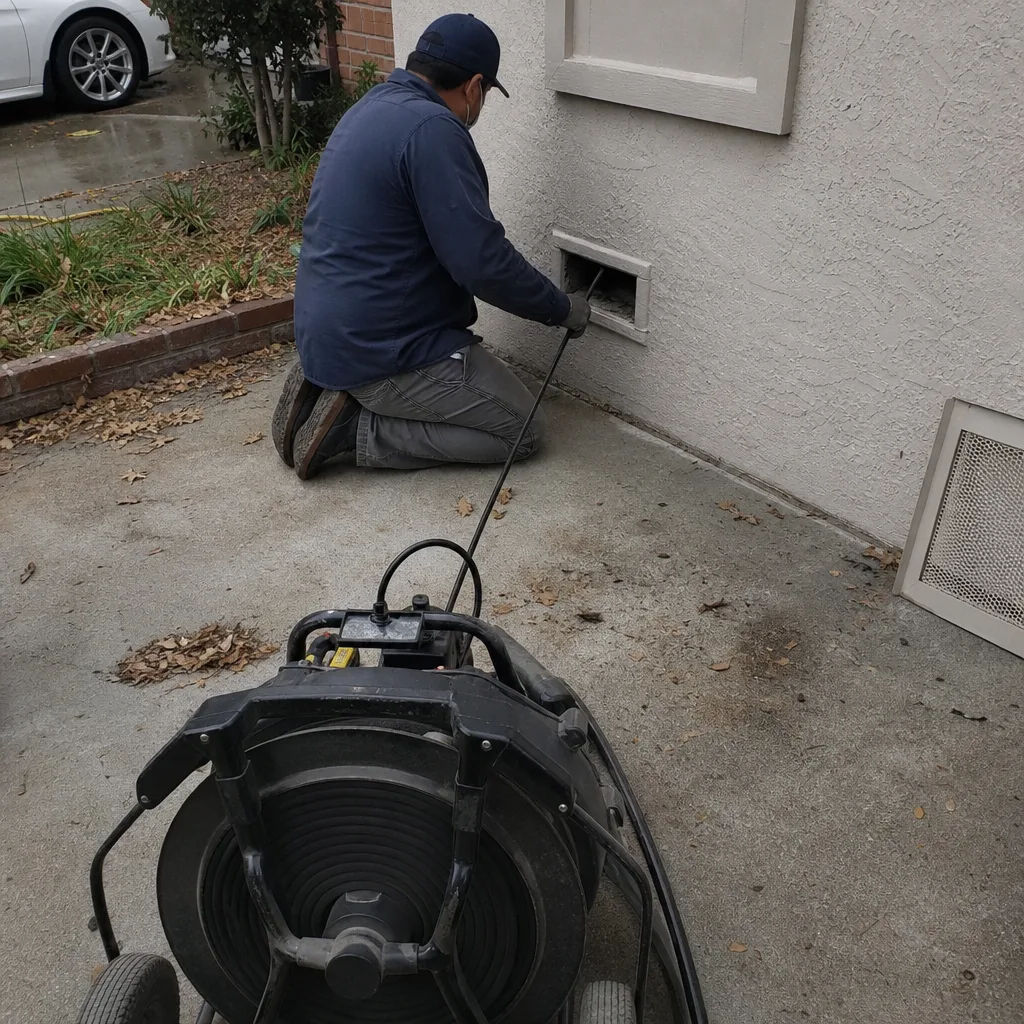 Before
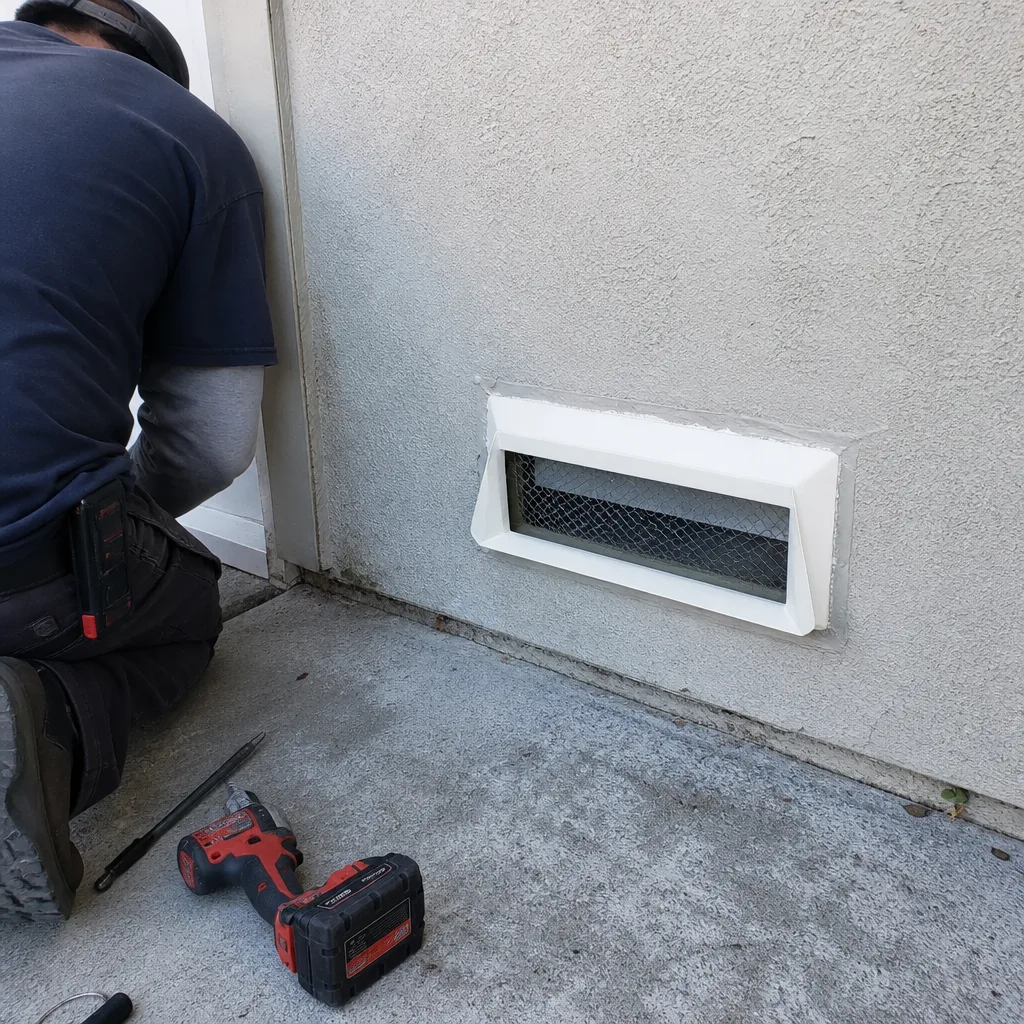 After