
Last updated November 2, 2026
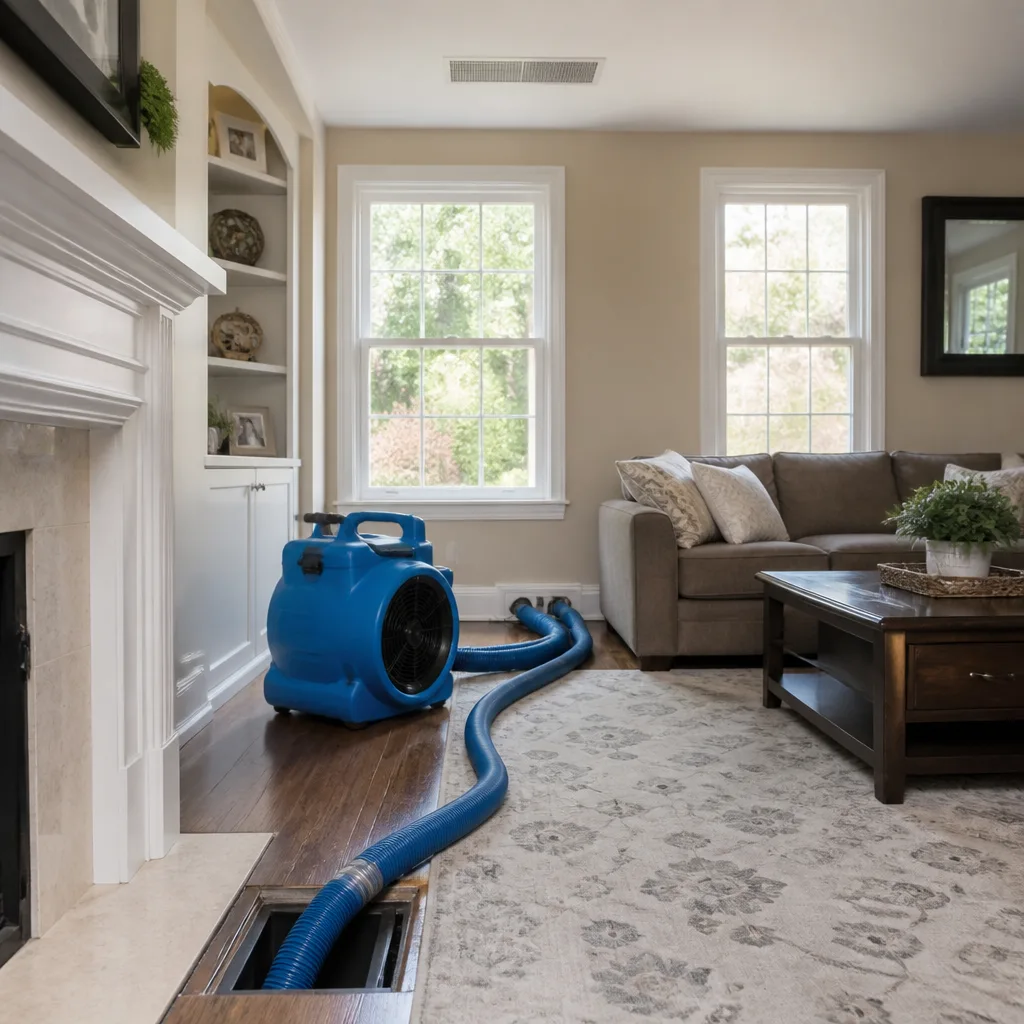 Whole-home duct cleaning
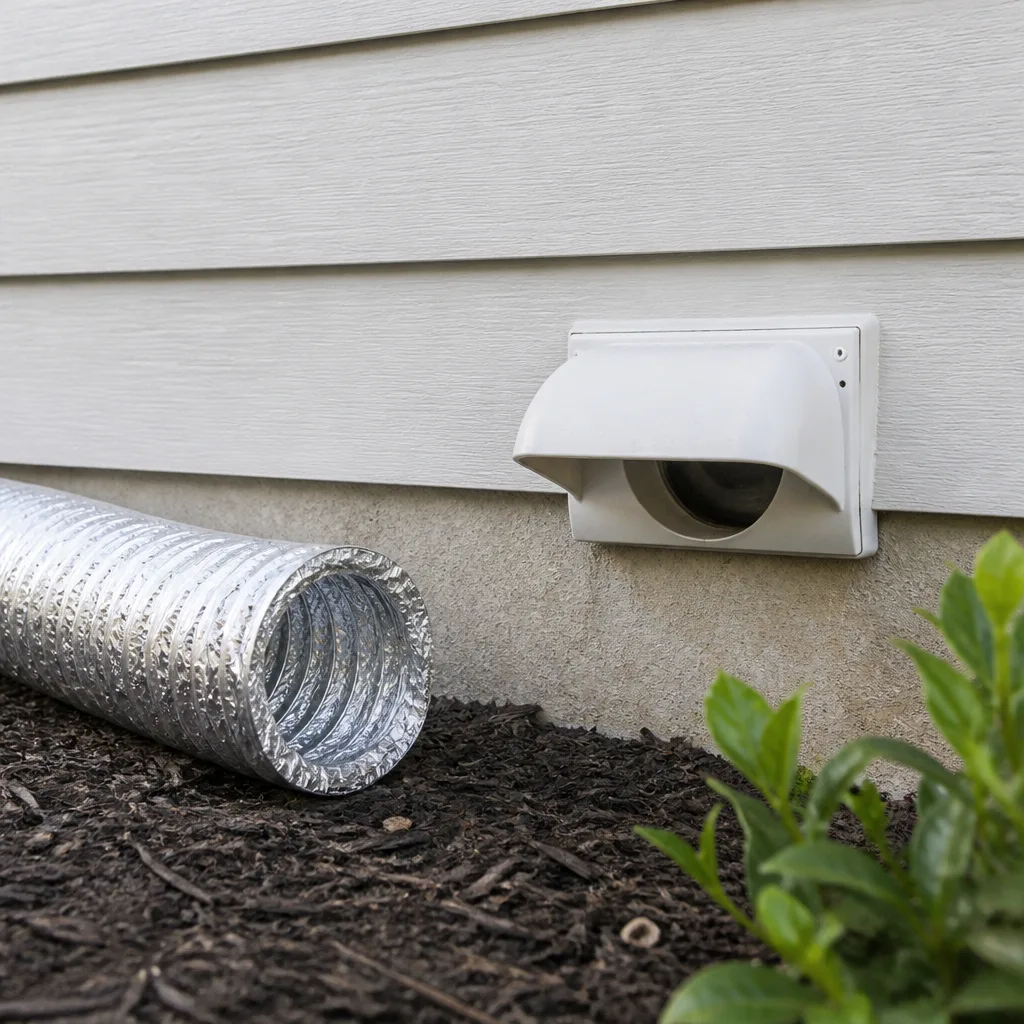 Dryer vent cleaning
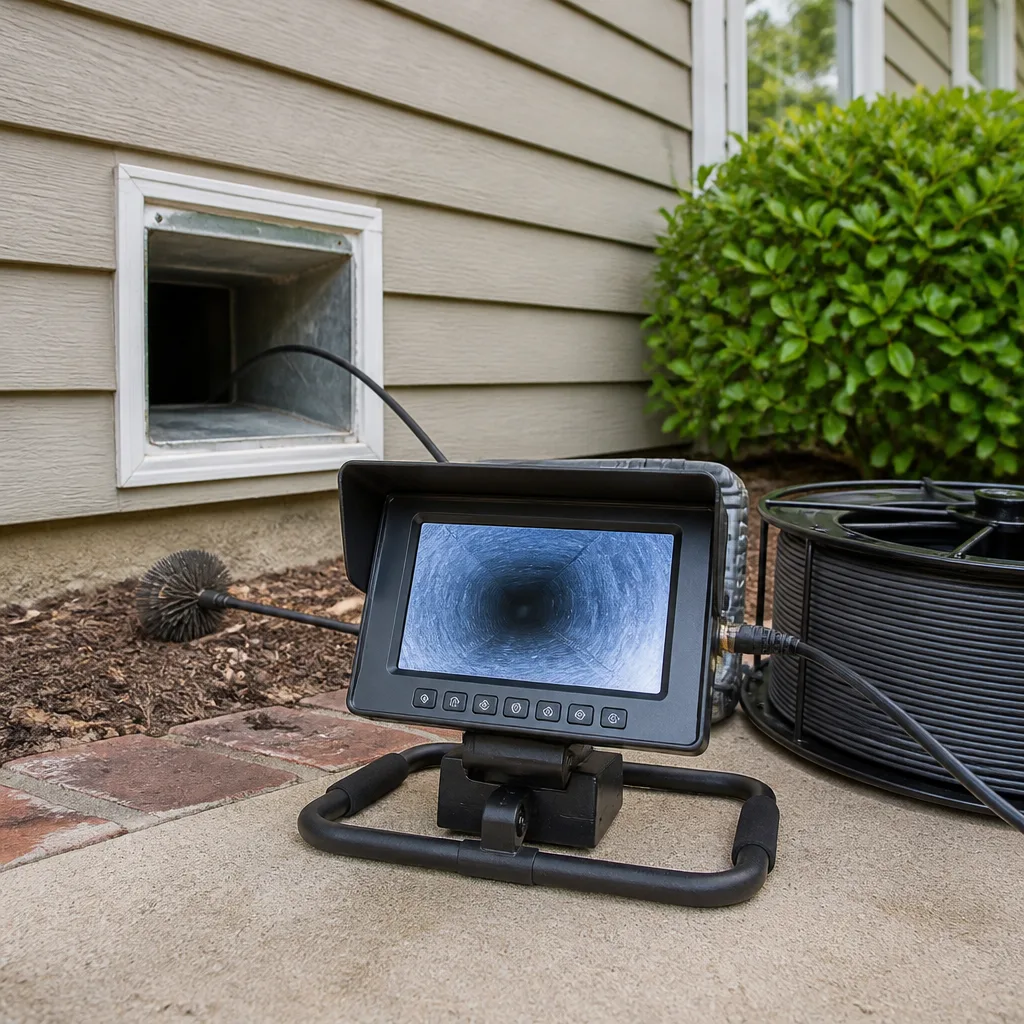 Camera inspection
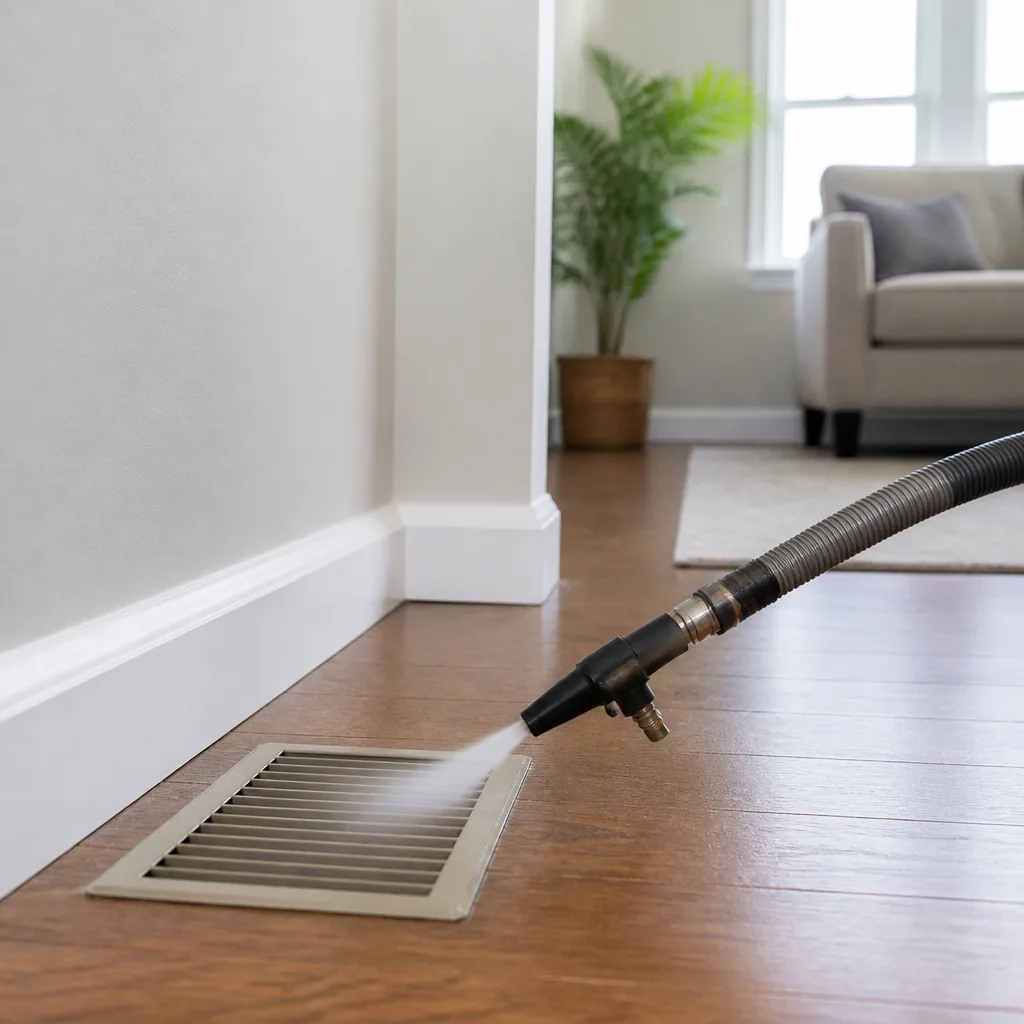 Sanitizing & deodorizing
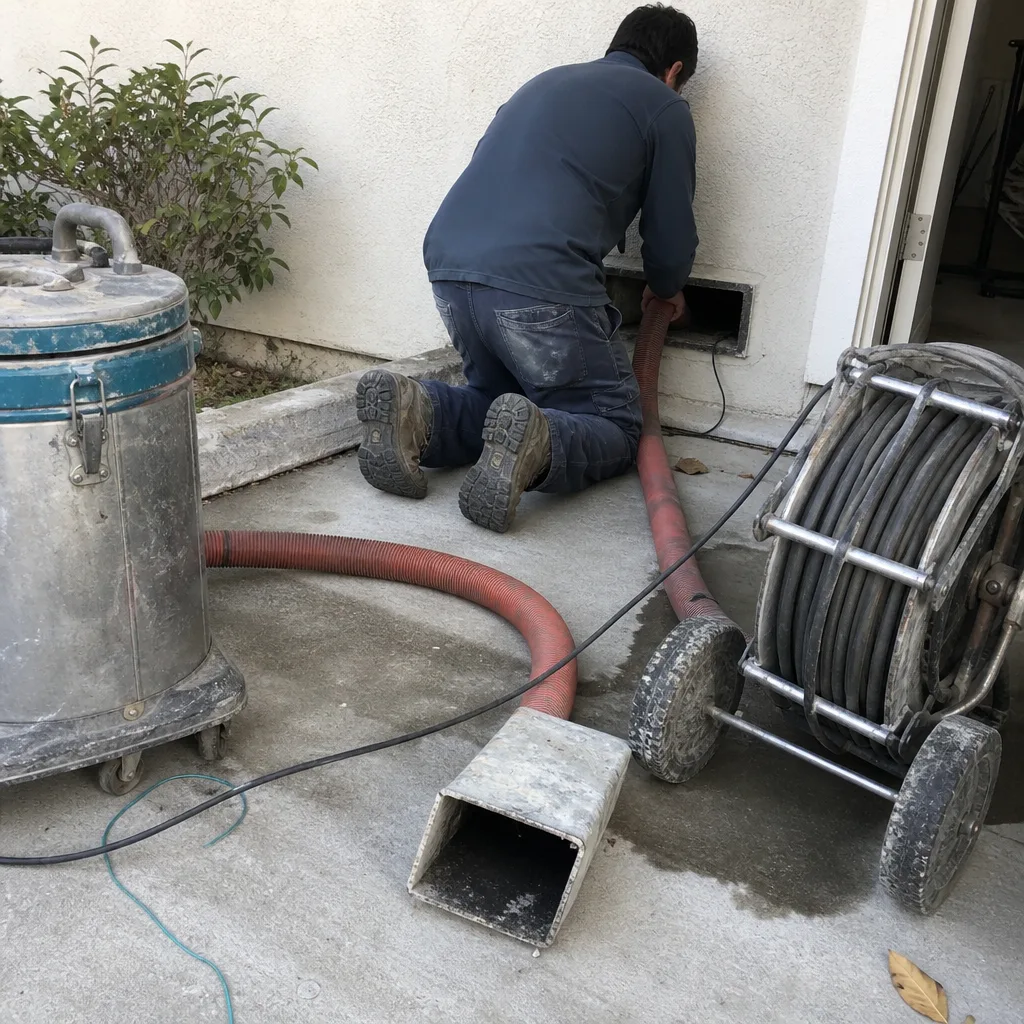
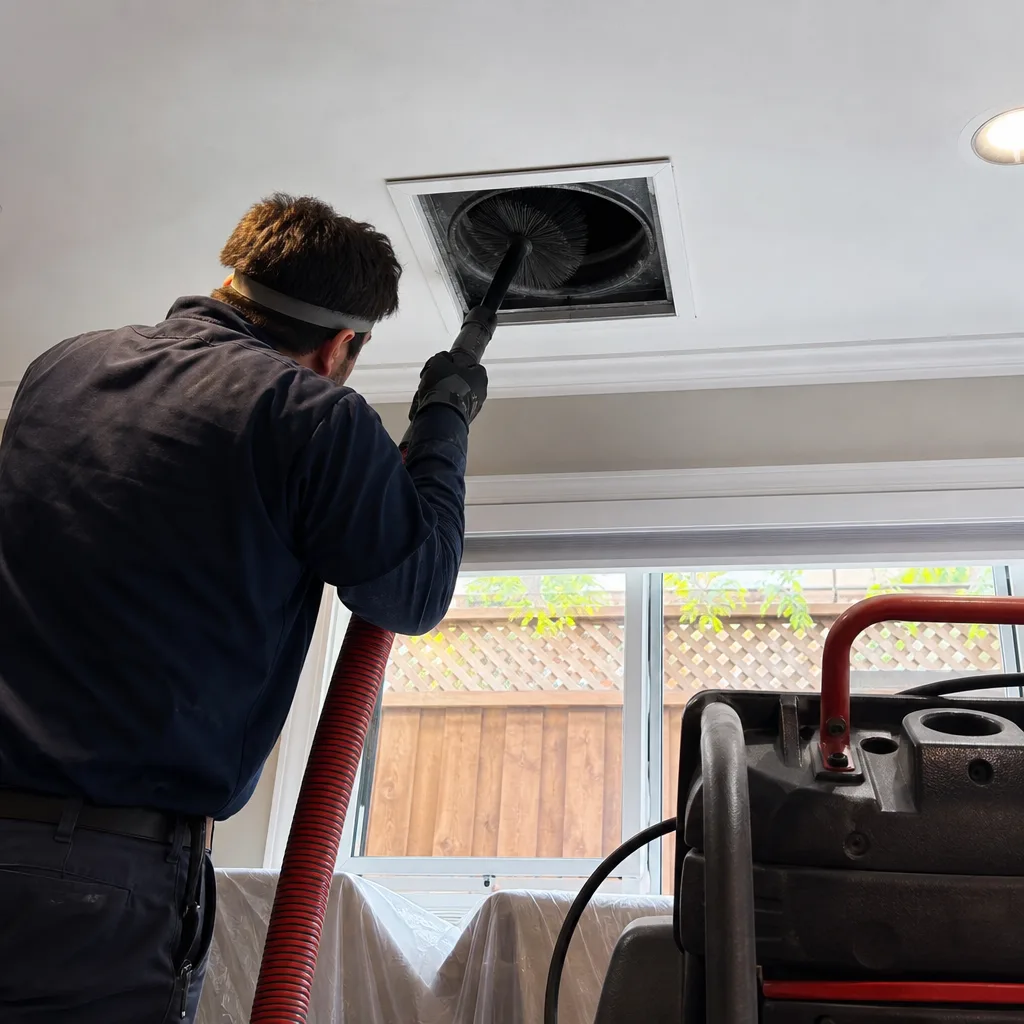
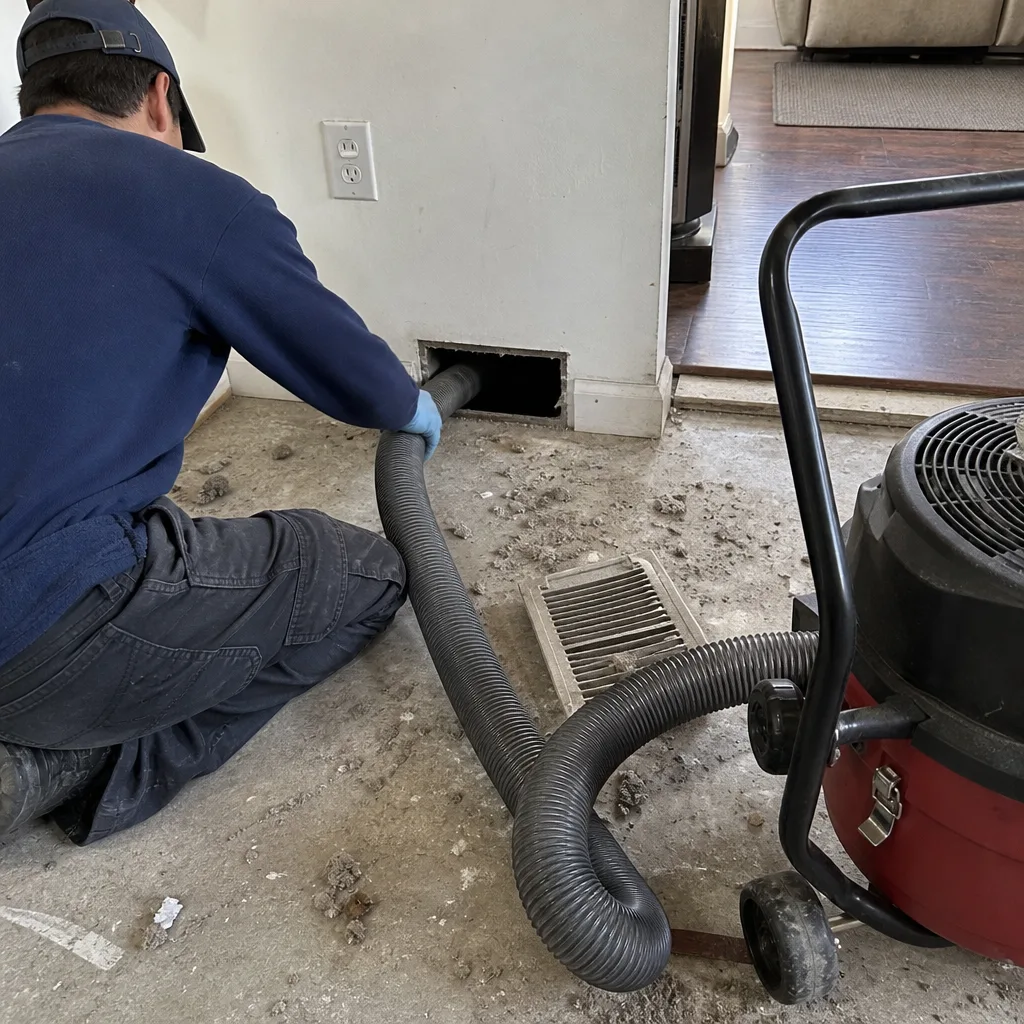
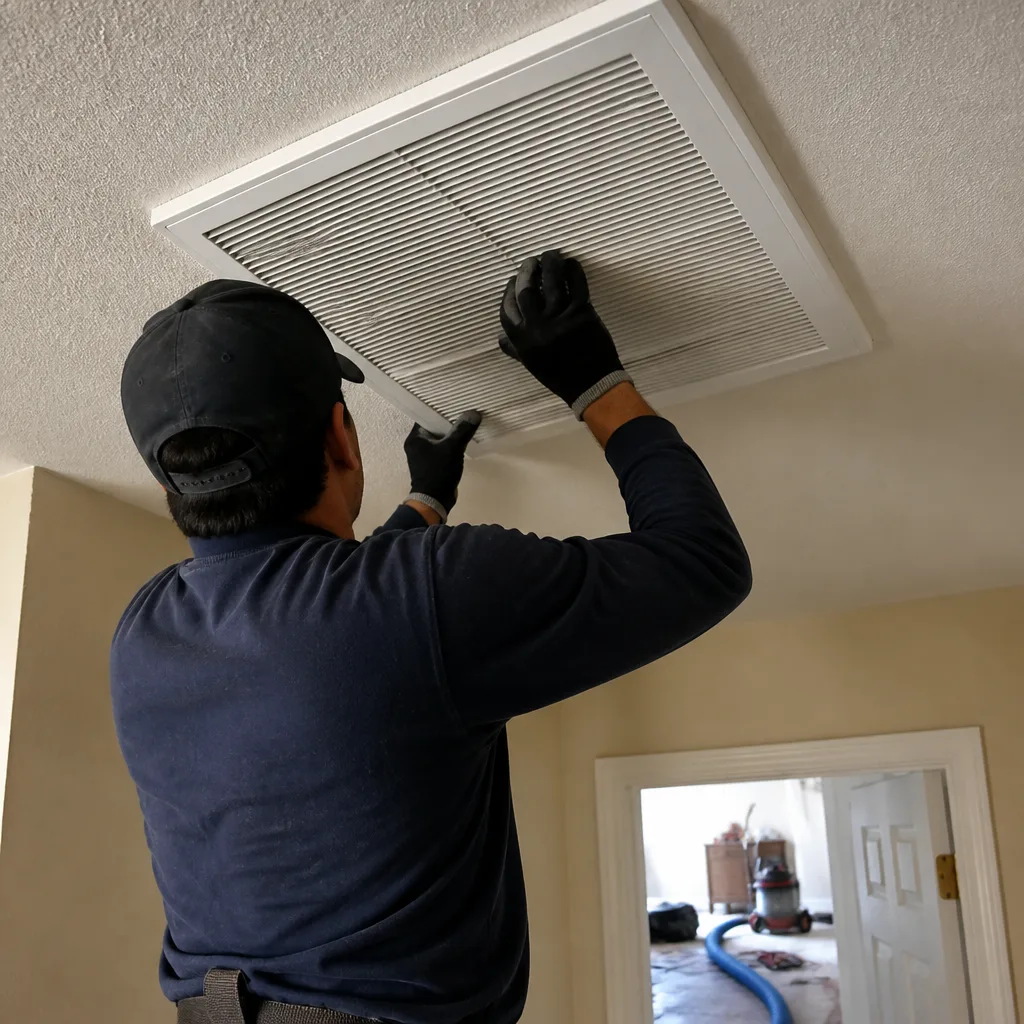
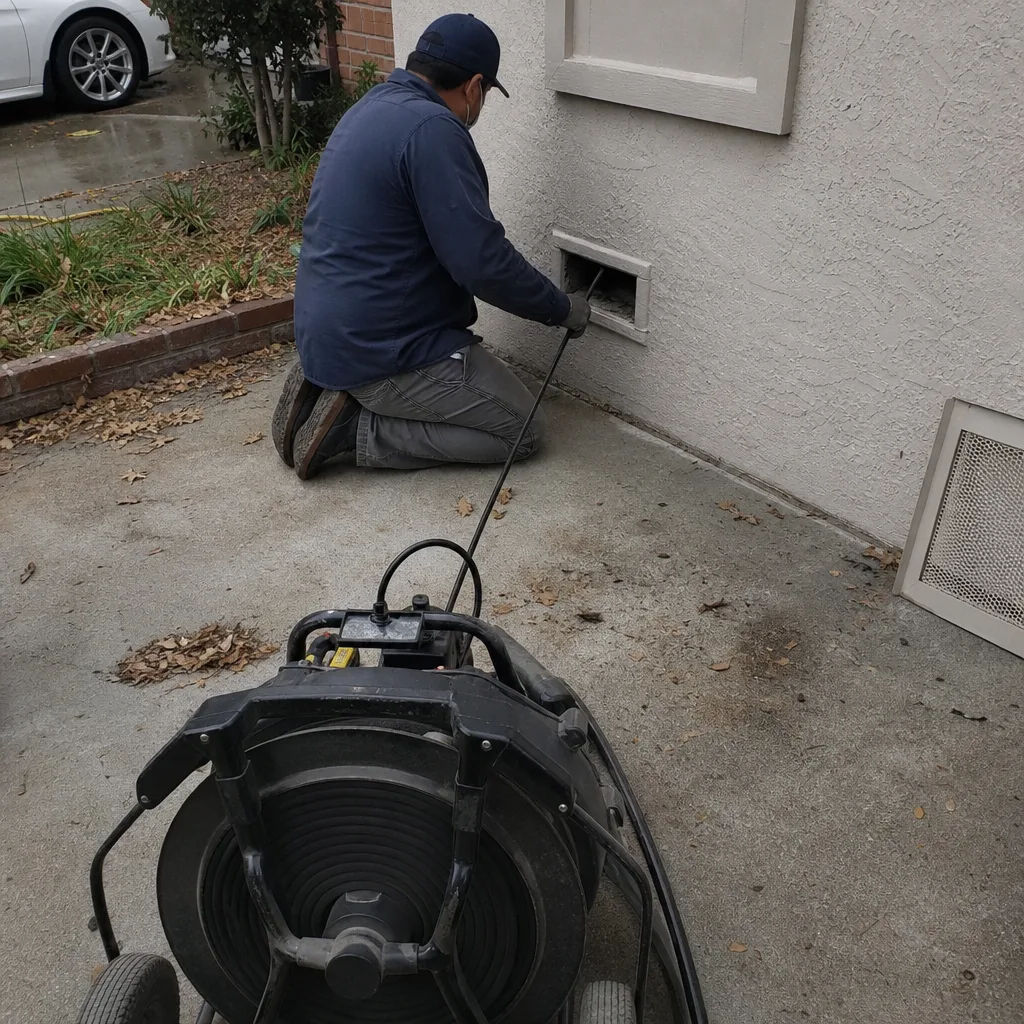
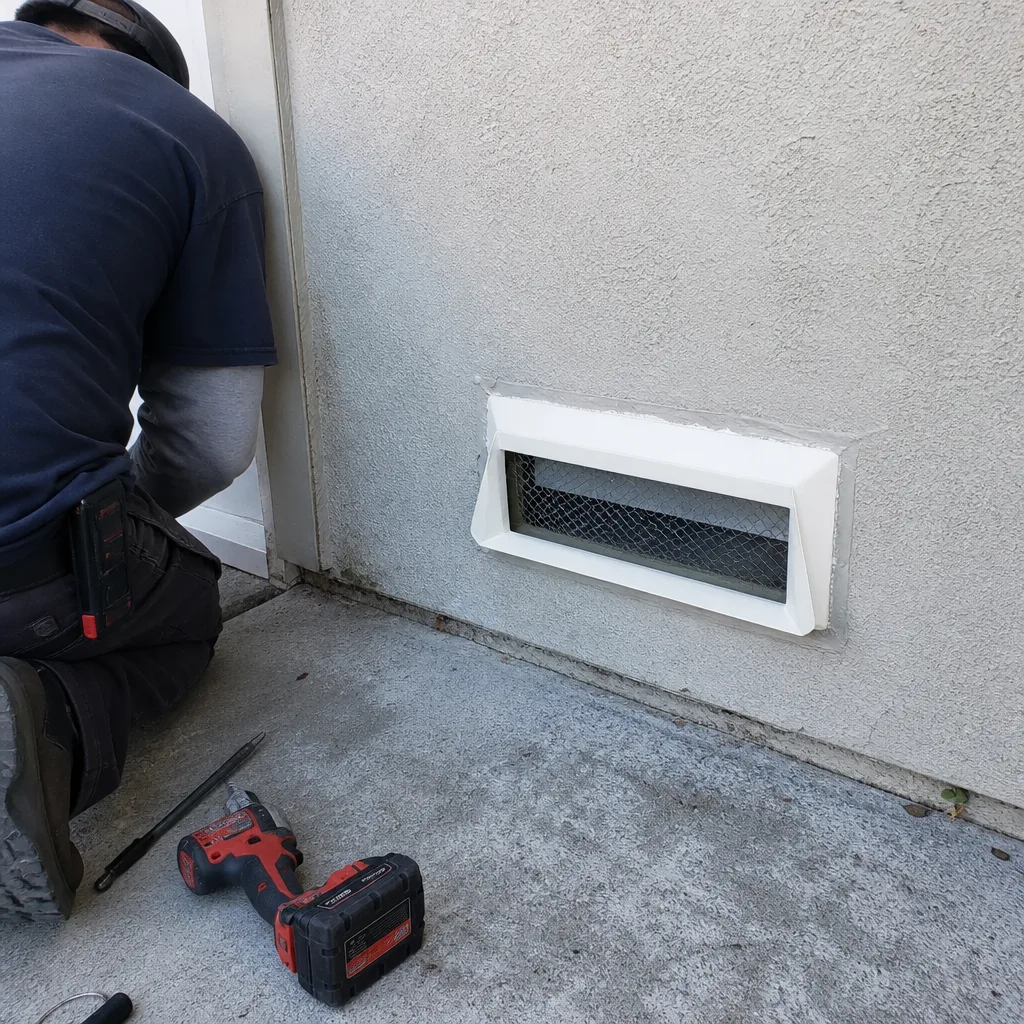
Whole-system duct and dryer vent check with before-and-after photos - you see exactly what came out of your vents
That "$99 whole-house special" is a bait ad - the real number appears once they are in your hallway, or the "clean" is a shop-vac at the register. We photograph the inside of your ducts before and after instead.
How to Hire an Air Duct Cleaning Contractor in Santa Clara: A Step-by-Step Guide
Most homeowners in Santa Clara start their search for a duct cleaner by looking for a NADCA certification badge on a website. That’s a reasonable instinct, and NADCA membership is a legitimate credential, but it doesn’t tell you whether the certified technician is actually the person who shows up at your door, or whether that person has been subcontracted from a rotating pool of day laborers. This guide gives you three process questions to ask before anyone sets foot in your home. The answers will separate a professional duct cleaning operation from a van-and-vacuum outfit faster than any logo or review count ever will.
Styles & brands we work with
- Whole-home duct cleaning
- Dryer vent cleaning
- Camera inspection
- Sanitizing & deodorizing
Quick Answer
To hire an air duct cleaning contractor in Santa Clara, ask three questions before booking: what negative-pressure equipment they use and its CFM rating, how they seal the system during cleaning, and how they verify the job was done. A legitimate contractor runs commercial-grade equipment (2,000+ CFM), seals every register and return before starting, and provides photo or video verification of the before-and-after. Get a flat-rate quote by system, not per vent, and walk away from anyone who quotes a price without seeing your system.
Table of Contents
- Why Hiring a Duct Cleaner in Santa Clara Is Harder Than It Should Be
- What a Contractor Actually Needs to Hold in California
- The Three Pre-Hire Questions That Expose Van-and-Vacuum Operators
- How to Read a Quote: Flat-Rate vs. Per-Vent Pricing
- The Site Walk: Why a Quote Without One Is a Red Flag
- Post-Job Verification: How to Know the Work Was Actually Done
- Santa Clara-Specific Factors That Affect Duct Cleaning
- Common Mistakes to Avoid
- When to Call a Professional
- Frequently Asked Questions
- The Bottom Line
Why Hiring a Duct Cleaner in Santa Clara Is Harder Than It Should Be
The air duct cleaning industry in Santa Clara operates with a frustratingly low barrier to entry. A person can buy a portable shop vac adapter kit online for a few hundred dollars, print business cards, and start accepting appointments by the end of the week. No license specific to duct cleaning exists in California, and no state agency polices what happens inside your ductwork. The result is a market where a $99 whole-house “special” and a $600 professional cleaning are sometimes advertised side by side, and a homeowner has almost no way to tell them apart from a Google search alone.
The $99 operator is not necessarily a scammer. They may genuinely believe they’re providing a service. But the equipment they’re using, a portable vacuum attached to a single access point, lacks the negative pressure needed to pull debris from the full length of a residential duct system. They’re cleaning the first few feet of the main trunk line and calling it a day. You can’t see the difference from your living room, because the ducts are behind drywall. The difference shows up in your air filter, in the dust return on your furniture two weeks later, and in the allergy symptoms that never quite improved.
Our team at Heritage Duct Cleaning home has walked into Santa Clara homes after a discount cleaning and found plywood drywall cuts that were open before and after the job with zero documentation. That’s not an indictment of every budget operator. It’s a warning about what the market tolerates. The questions in this guide are designed to make the invisible work visible, before you commit.
What a Contractor Actually Needs to Hold in California
The first thing to understand is that duct cleaning and duct work are regulated differently in California. Duct cleaning, the act of removing built-up dust and debris from existing duct interiors, has no state licensing requirement. Anyone with a business license can legally perform it. Duct repair, duct replacement, or any modification to the system, on the other hand, falls under the California Contractors State License Board (CSLB) and requires a C-20 Warm-Air Heating, Ventilating and Air-Conditioning Contractor license, or in some cases a C-39 roofing contractor license when roof penetrations are involved.
This split creates a peculiar situation. A company can clean your ducts without a CSLB license, but if they find a disconnected section or a crushed return and want to fix it, they’re legally required to hold a C-20. Many cleaning-only companies don’t. They’ll clean around a damaged section, note it on the report, and tell you to call an HVAC company. That’s not wrong, but it leaves you with a two-visit problem and a system that’s still leaking conditioned air into your attic.
When you’re vetting a Santa Clara duct contractor, ask directly: “Do you hold a CSLB license, and what class?” If they only clean, be satisfied with a straight answer. If they claim to do repair work, ask for the license number and verify it on the CSLB website. A company that takes offense at this question has given you an answer anyway.
Beyond licensing, check for insurance. The company should carry general liability coverage that protects your home if their equipment damages your drywall, your insulation, or your ducting. A $2 million umbrella is standard for reputable operators. Ask for a certificate of insurance. It takes them five minutes to send and it covers your largest exposure.
The Three Pre-Hire Questions That Expose Van-and-Vacuum Operators
These questions are not a quiz you’re giving a nervous salesperson. They’re conversation starters that let you hear how the company thinks about the work. A legitimate operator answers immediately and with specificity. A van-and-vacuum outfit stalls, hedges, or gets defensive.
Question 1: What negative-pressure equipment do you use, and what’s its CFM rating?
Proper duct cleaning relies on negative pressure. A powerful vacuum unit connects to the duct system and pulls air backward through it while agitation tools loosen debris from the duct walls. The debris travels with the airflow to the collection unit. A shop vac or portable unit generates roughly 150 to 400 CFM (cubic feet per minute) of airflow. That’s not enough to pull debris from a 30-foot branch run. Professional-grade equipment starts at around 2,000 CFM and goes up from there.
At Heritage Duct Cleaning, we run Rotobrush and Nikro systems. These are the same platforms used in restoration and remediation work, where the standard for what counts as “clean” is far higher than a residential preventative maintenance job. Knowing the brand and the CFM rating is a legitimate filtering question. If the person on the phone says something vague like “we have powerful vacuums,” that’s the wrong answer.
Question 2: How do you seal the system before cleaning?
A properly done cleaning is a closed-loop process. The access point where the vacuum attaches is sealed, and every register and return opening is covered or blocked so that all airflow moves from the branch lines toward the collection unit. This creates the negative pressure that actually moves debris. If a contractor doesn’t seal the system, they’re just blowing air around inside your ducts, which redistributes dust rather than removing it.
The answer you want to hear: “We seal every supply and return opening, cap the main lines, and then clean each branch line individually through the register openings.” The answer you don’t want: “We open a couple of registers and run the machine.” Those are two different services at two wildly different prices.
Question 3: What does your post-job verification look like?
If the contractor can’t show you what the ducts looked like before and after, you’re operating on faith. Faith is a poor metric for a service that happens almost entirely inside walls. A legitimate company takes photo or video documentation through the access points, showing the interior of the main trunk and the branch runs before work begins and again after it’s complete.
Ask what you’ll receive. “We’ll show you photos from our inspection camera” is a good answer. “You’ll notice the difference” is not. The verification step is also where you’ll see whether the company does repair work. A camera inspection often surfaces broken seals, disconnected sections, or crushed flex duct, and a company that can identify but not fix these issues leaves you halfway through the job. Our Air Duct Repair in Santa Clara service page covers what’s involved when inspection reveals structural damage.
How to Read a Quote: Flat-Rate vs. Per-Vent Pricing
The structure of a quote tells you more than the number on the bottom line. A legitimate duct cleaning company prices by the system, meaning the full set of supply ducts, return ducts, and the main trunk line, or by the number of HVAC systems in the home. A second zone with its own furnace and air handler adds a defined amount. The quote is flat, agreed before work begins, and doesn’t change based on how many vents the technician counts when they arrive.
Per-vent pricing is the classic upsell mechanism in this industry. The advertised price, often $49 or $79, covers a small number of vents, and the technician discovers on arrival that your home has twenty-two, not twelve, and the count somehow includes returns and boots and the attic access point. The final invoice lands at three or four times the advertised number. The pitch works because the homeowner is psychologically committed once the van is in the driveway.
One flat price per system, agreed before work starts, is the single strongest protection against bait-and-switch pricing. It forces the contractor to define the scope at the outset, and it removes the incentive to pad the vent count. When you ask for a quote, ask for it flat: “What does the whole system cost, start to finish?” If the answer is “how many vents do you have?” you’re already in per-vent territory.
The Site Walk: Why a Quote Without One Is a Red Flag
A legitimate quote requires seeing the system. It does not require a two-hour sales presentation with a binder and a financing calculator, but it does require a physical walkthrough. The contractor needs to locate the furnace and air handler, count the access points, note the layout of branch lines, and identify any complications: a crawlspace with restricted access, a return that was drywalled over during a remodel, flex duct that’s collapsed or kinked, an attic with limited headroom.
Homebuilders in Santa Clara didn’t follow a single design standard. A 1950s Eichler-inspired rancher in the South Bay has almost nothing in common with a 2010s track home off Lawrence Expressway when it comes to duct geometry. The same flat quote cannot cover both. A contractor who quotes you a price over the phone without seeing the system is either too inexperienced to know what the job involves or too desperate for the booking to care. Neither inspires confidence.
The site walk is also your first in-person read of the operator. Do they show up on time? Do they wear shoe covers or at least offer to remove shoes? Do they open the furnace cabinet and actually look at the blower and the coil? A professional inspection is methodical. If the person walks through and immediately wants to talk price without opening a single access point, that’s a sales call wearing an inspection costume.
Post-Job Verification: How to Know the Work Was Actually Done
You’re hiring a contractor to clean spaces you cannot see. The verification step is the only thing that stands between you and a very expensive placebo. Here’s what a legitimate post-job verification process includes, in the order you should expect it:
- Before-and-after camera footage. A probe camera, inserted through access points, shows the interior of the main trunk and representative branch runs before cleaning begins and after. You should be able to see the difference. If the “after” footage looks like the “before” footage, the work wasn’t done.
- A written report. This should note any access points created, any damage discovered, any sections that were unreachable, and the condition of the duct liner and seals. A vague “cleaned all ducts” with no detail is not a report.
- An itemized account of repairs, if any. If the inspection found a disconnected return or a crushed flex run, the report should document it and the quote for fixing it should be separate from the cleaning quote. Repairs are additional work, not an upsell cleverly buried in the same line item.
- Your own air filter as a free signal. In the weeks after a proper cleaning, check your HVAC filter. If the ducts were cleaned well, the filter should stay visibly cleaner than it did before. If it loads up with dust immediately, either the cleaning was superficial or there’s a source of contamination still feeding the system.
A company that offers verification as a standard part of the service, not as an add-on, is signaling confidence in its own workmanship. It’s the clearest possible contrast with the operator who wants to be gone before you ask any follow-up questions. For a fuller picture of what’s included in a professional cleaning, see our Air Duct Cleaning in Santa Clara service overview.
Santa Clara-Specific Factors That Affect Duct Cleaning
Santa Clara’s climate and housing stock shape duct cleaning in ways that don’t apply to a generic suburb. The summer season runs hot and dry from roughly June through October, with wildfire smoke drifting south from the North Bay and the Diablo Range. Homes run their air conditioning hard for four to five months, which means the blower motor cycles constantly and pulls whatever is in the return airstream through the system. Homes with newer Honeywell or Aprilaire filtration systems handle that load better, but a filter is only as good as the ductwork carrying air to it.
The older housing stock in Santa Clara, especially the post-war and mid-century neighborhoods near the university and downtown, often contains ducts installed fifty or sixty years ago. These systems predate modern sealing standards. Duct tape dries out and falls off. Sheet metal seams separate. The flex runs in additions installed during the 1990s tech-boom remodel wave are now thirty years old and losing their interior liner. A proper cleaning on these systems surfaces problems, and a company that can also do Air Duct Repair in Santa Clara saves you from calling a second contractor for the follow-up work.
Property managers handling rental turnover near the Santa Clara University area face a recurring problem: tenant turns happen fast, and ducts often haven’t been touched since the building was renovated. A cleaning that’s documented with before-and-after footage gives a property owner something to show a prospective tenant. It’s also a standard condition in more buyers’ inspection reports now, which means real estate agents are routing more clients to duct cleaners before close of escrow.
Common Mistakes to Avoid
- Hiring on price alone. The $99 whole-house clean in Santa Carla doesn’t exist. It’s a trip fee with a vacuum attachment. You’ll pay again next year.
- Not asking about access point creation. Many systems lack convenient access to the main trunk. Ask whether the quote includes creating and resealing access points, or whether you’ll be left with open cuts.
- Trusting review counts without reading the critical reviews. A company with 400 five-star reviews and a string of one-star mentions of the same issue, per-vent upsells, is telling you exactly what to expect.
- Assuming cleaning includes the dryer vent. It doesn’t. Dryer vent cleaning is a separate service, and in Santa Clara’s older homes with long vertical runs, it’s a safety issue. See our Dryer Vent Cleaning in Santa Clara page for why this matters.
- Skipping the site walk. Accepting a phone quote for duct cleaning is like accepting a phone quote for a roof replacement. The person hasn’t seen what they’re working with.
- Not asking about containment. A professional operation contains the work area and protects your floors and furniture. If the contractor doesn’t mention containment, ask.
- Paying the full amount upfront. A deposit is standard. Full payment before work begins is not. Reputable operators in Santa Clara invoice on completion.
When to Call a Professional
If you’re seeing visible dust on your registers within days of cleaning your home, or if your allergies flare specifically when the HVAC runs, the ductwork is the likely source and it won’t fix itself. A recent renovation in a Santa Clara home is another trigger, because drywall dust and construction debris find their way into return openings quickly. A home inspection report that flags the ducts is a hard signal, especially during a sale. Heritage Duct Cleaning offers free estimates in Santa Clara, call (855) 550-3778, and we’ll do a site walk and give you a flat-rate quote before any work is scheduled. No per-vent pricing, no pressure, just an honest assessment.
Frequently Asked Questions
A professional whole-system air duct cleaning in Santa Clara typically runs $350 to $850 for a single HVAC system, depending on the size of the home, the number of returns, and whether access points need to be created. Prices rise for homes with two systems or for work that includes repair of discovered damage. A flat-rate quote by system is the standard you should insist on. Call (855) 550-3778 for an exact quote, estimates are free.
Cheaper quotes usually reflect cheaper equipment and a different job scope. A portable vacuum attached to one access point cleans the first section of trunk line and leaves the branch runs untouched, and the operator often prices per vent and counts aggressively when they arrive. A commercial-grade truck-mounted or high-CFM portable negative air machine costs real money to own and operate, and the price difference shows up in the thoroughness of the work.
Ask for before-and-after camera footage through the duct access points, and check your HVAC filter in the weeks after the cleaning. A properly cleaned system leaves visibly cleaner ducts on camera and a filter that stays cleaner longer. A contractor who doesn’t offer verification is telling you something.
The National Air Duct Cleaners Association recommends every three to five years for most homes, but Santa Clara’s wildfire season and long cooling season can compress that to every two to three years, especially in homes with pets, recent renovation, or occupants with respiratory conditions. The honest answer depends on what’s actually in your ducts, which is what a camera inspection shows.
Yes, in most cases. Dryer vent cleaning involves a different access path, different tools, and a different safety concern, lint buildup on the exhaust line is the leading cause of dryer fires. Many duct cleaners don’t do it, or treat it as an afterthought. If it’s a concern in your Santa Clara home, ask whether the company has a codified process for it. Heritage Duct Cleaning’s Dryer Vent Cleaning in Santa Clara service covers the full scope.
You can’t. Home vacuums and rental equipment don’t generate the negative pressure required to pull debris from a full residential duct system, and working inside ductwork without proper containment can redistribute contaminants through your home. A trained professional with commercial-grade negative air equipment is the only way to actually remove the debris rather than stir it up.
The Bottom Line
Hiring a duct cleaning contractor in Santa Clara comes down to three process questions and one firm boundary on pricing. Ask about CFM and negative pressure, ask how the system is sealed during the job, and demand before-and-after verification. Insist on a flat-rate quote by system, not per vent, and never book without a site walk. A company that answers these questions clearly, shows up on time, documents the work, and holds a CSLB license for any repairs it performs is the company you want in your ductwork. Heritage Duct Cleaning offers free estimates in Santa Clara, call (855) 550-3778 and we’ll walk through the process with you.
Written by the team at Heritage Duct Cleaning, serving Santa Clara since 2015.
See the difference
 Before
 After
 Before
 After
 Before
 After