
Last updated November 2, 2026
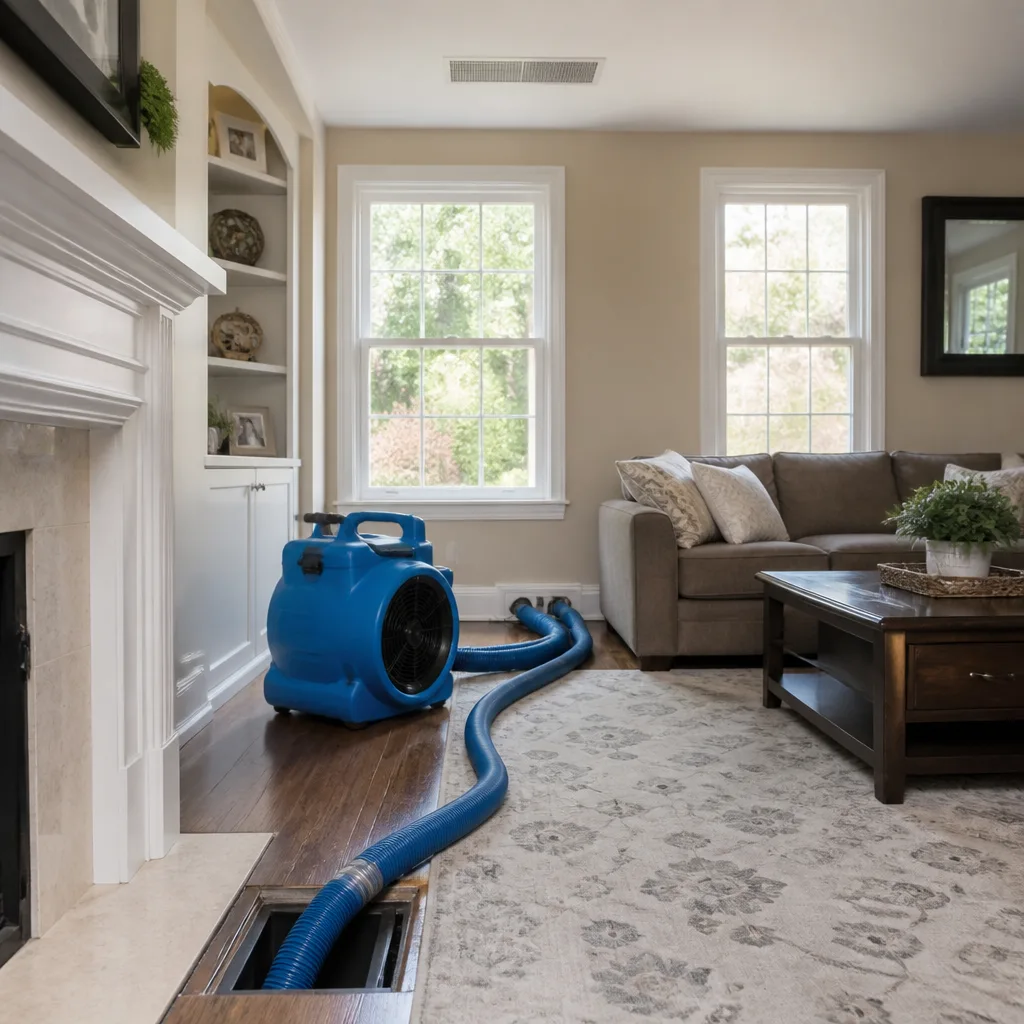 Whole-home duct cleaning
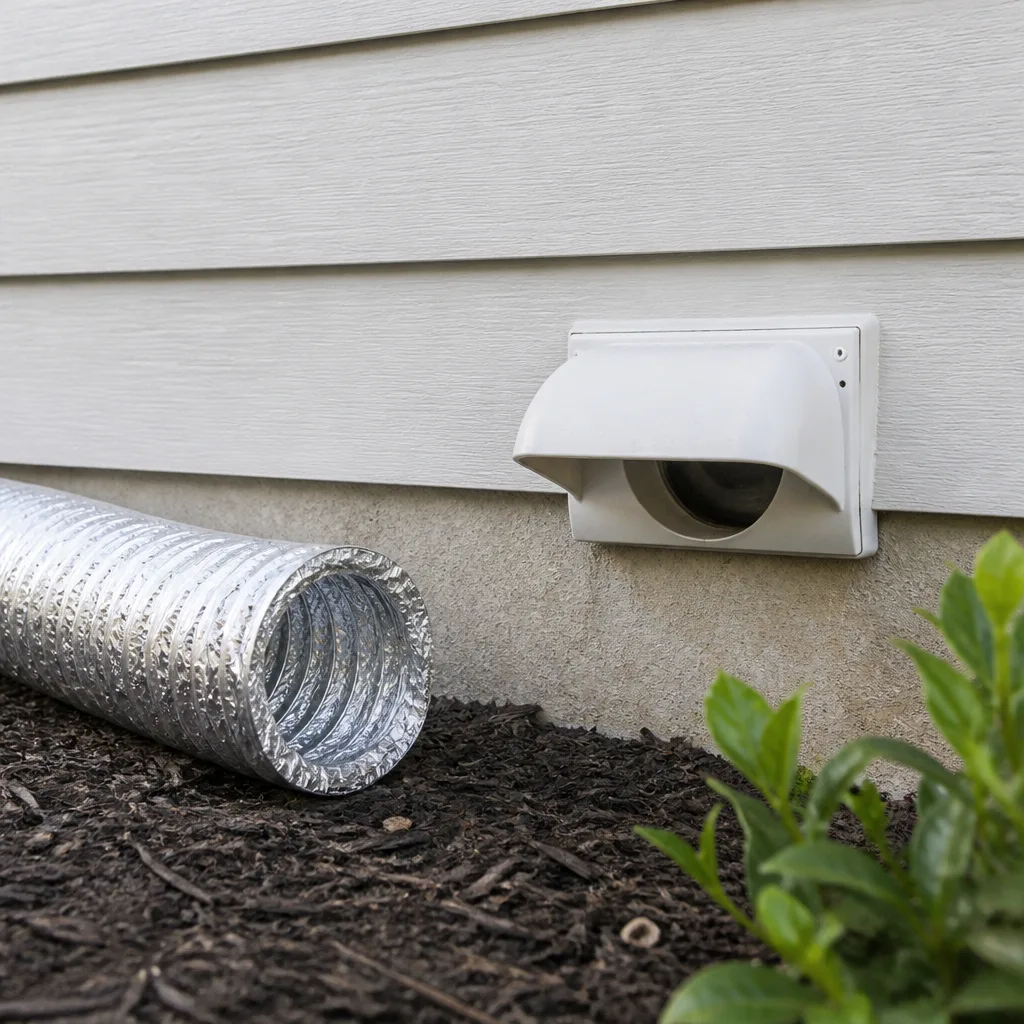 Dryer vent cleaning
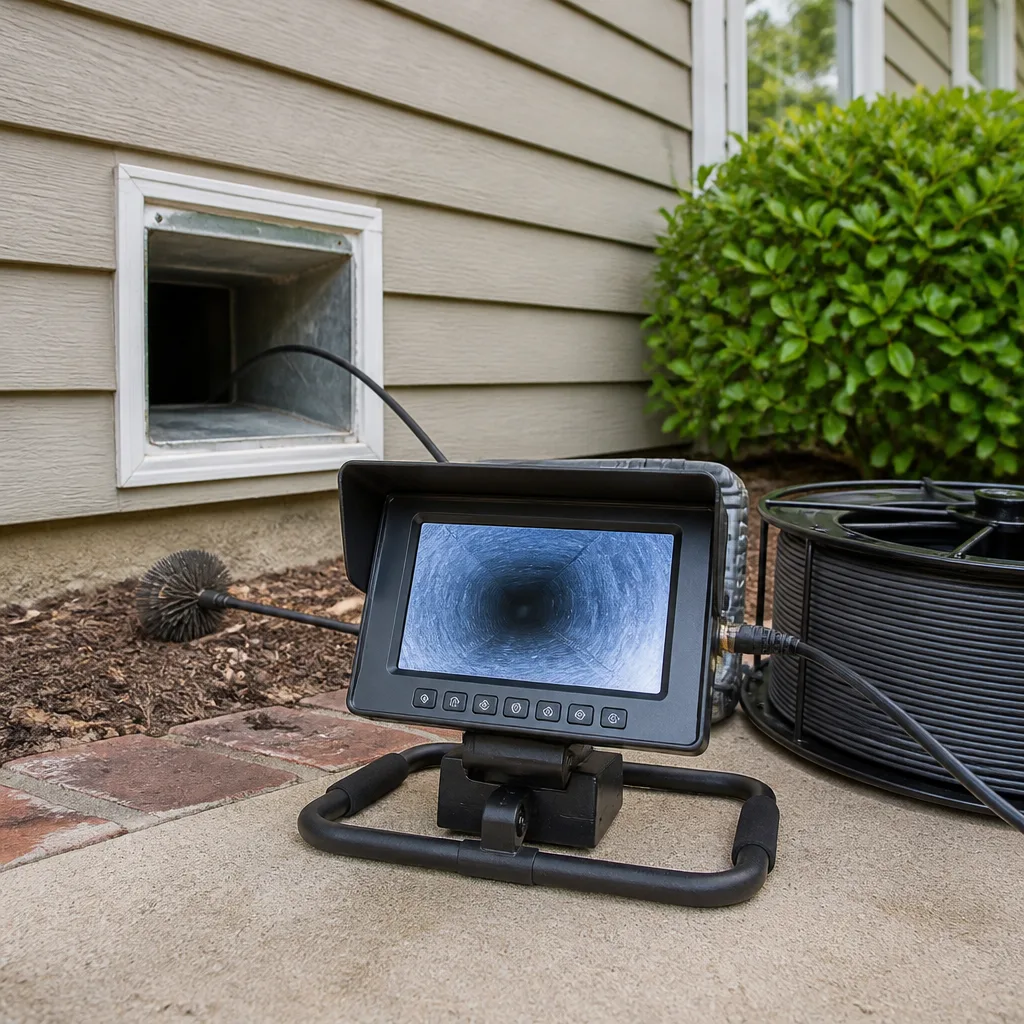 Camera inspection
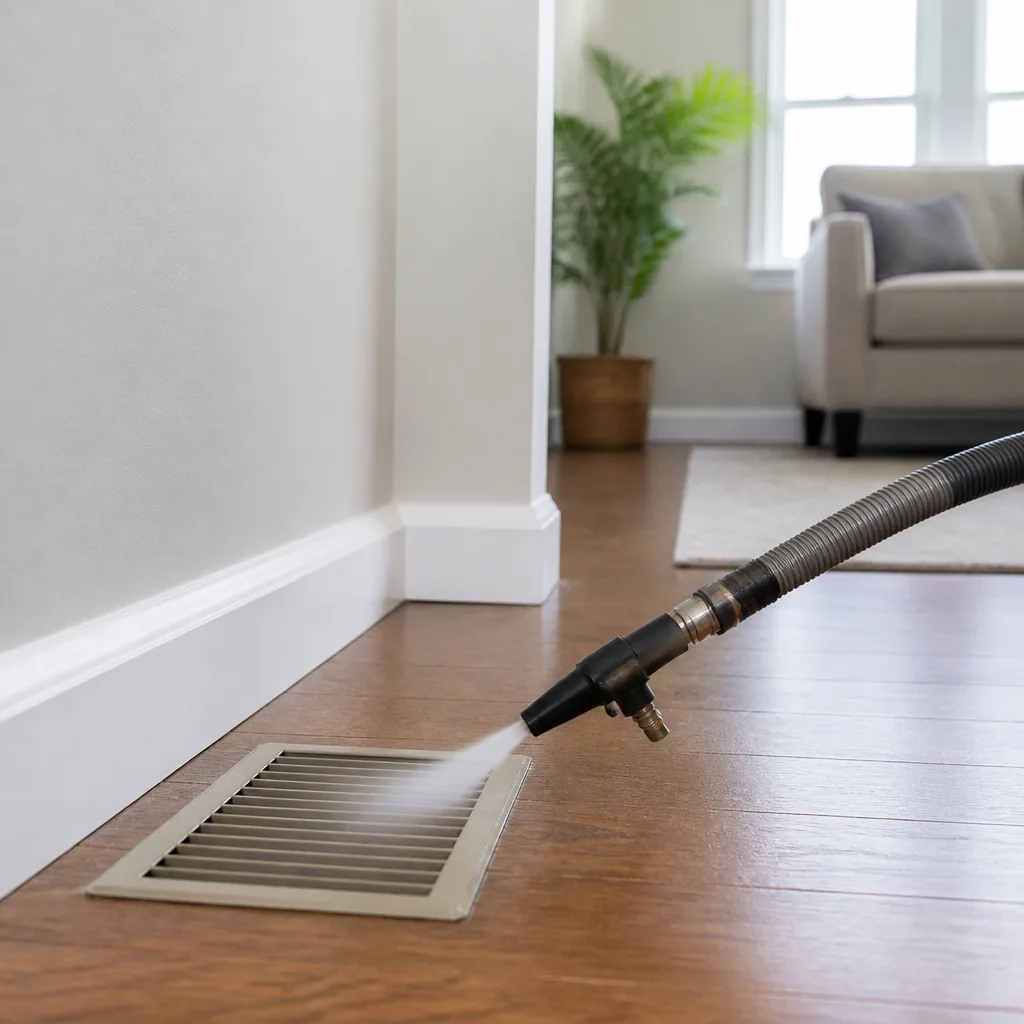 Sanitizing & deodorizing
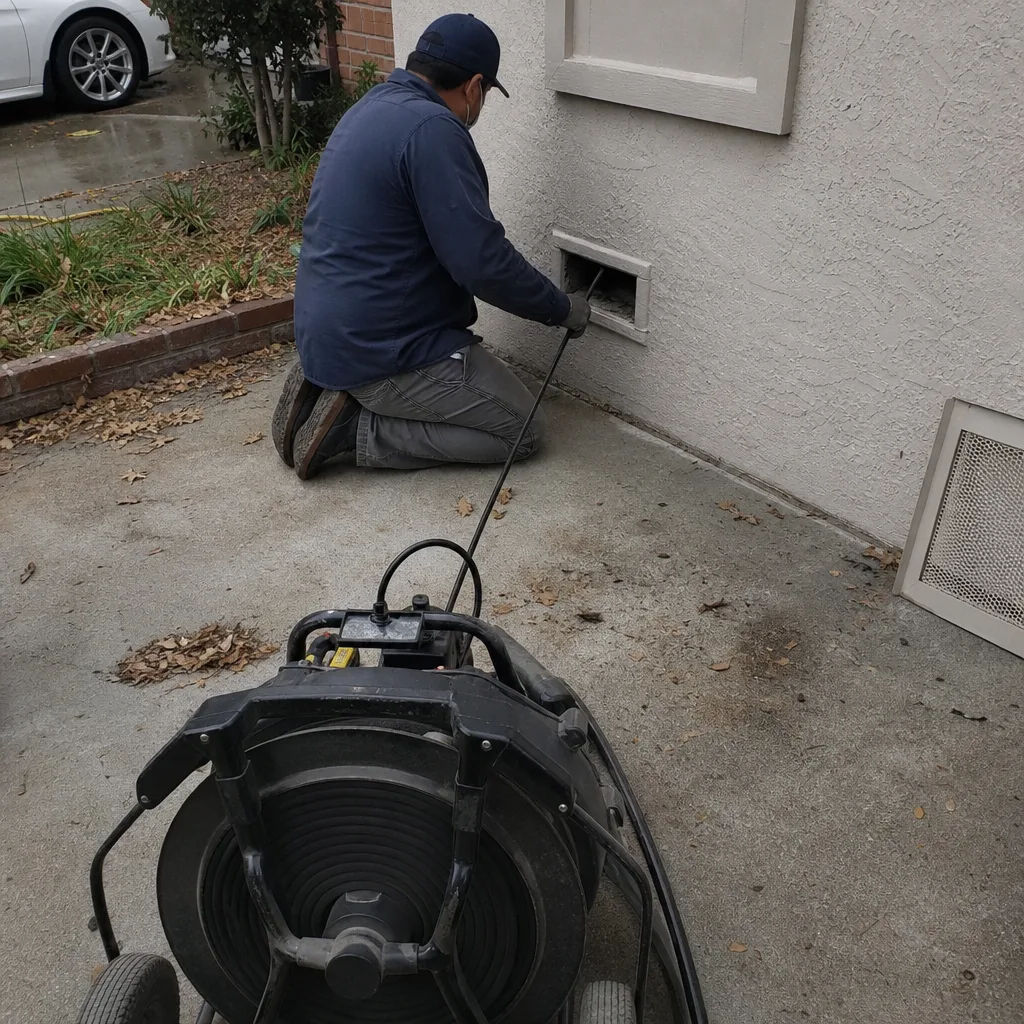
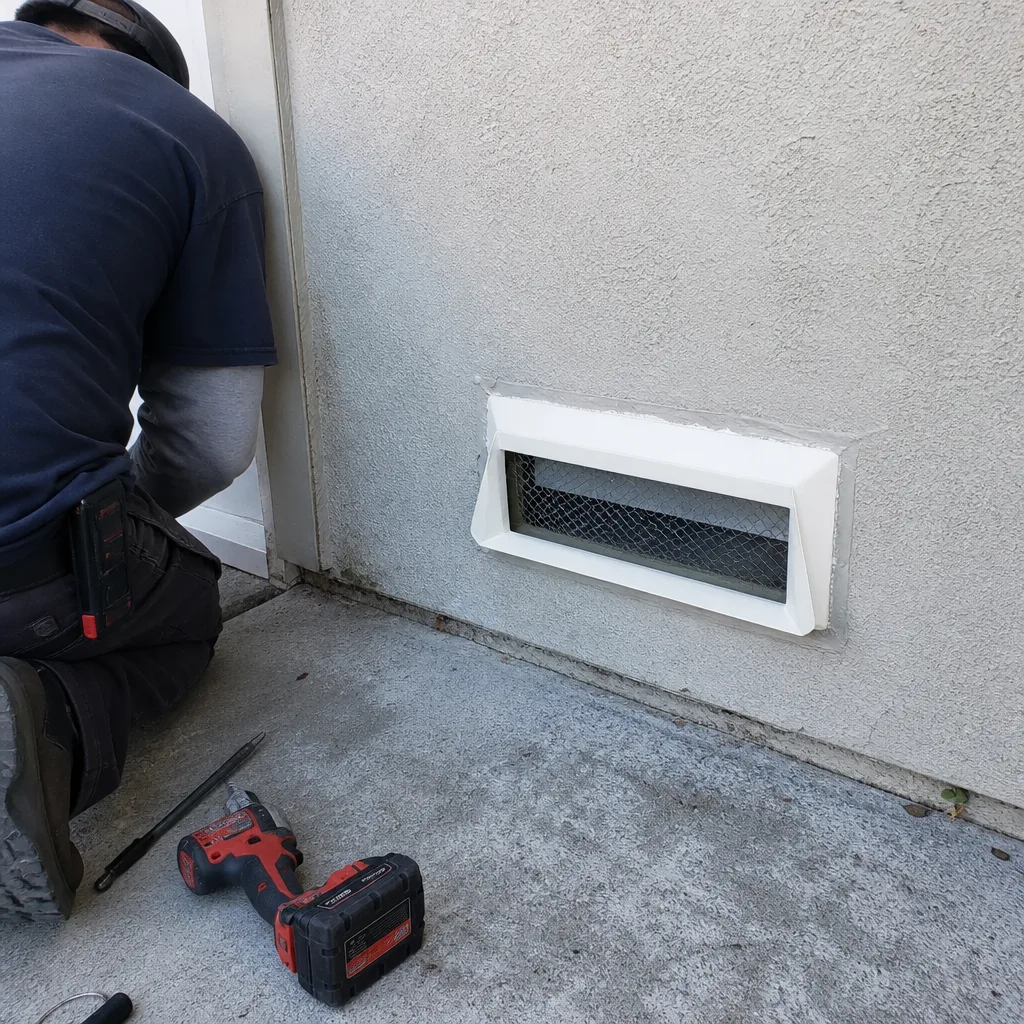
Whole-system duct and dryer vent check with before-and-after photos - you see exactly what came out of your vents
That "$99 whole-house special" is a bait ad - the real number appears once they are in your hallway, or the "clean" is a shop-vac at the register. We photograph the inside of your ducts before and after instead.
Seasonal Air Duct Cleaning Care for Santa Clara: Year-Round Homeowner’s Guide
If you’ve read a duct cleaning guide that tells you to schedule service every spring and fall, you’ve read a guide written for someone in Minneapolis or Chicago. Santa Clara doesn’t run on that calendar. Our seasons aren’t defined by frost and thaw. They’re defined by wildfire smoke drifting over the Diablo Range, construction crews breaking ground along El Camino Real, and the damp marine layer that settles into crawl spaces each winter. This guide replaces the generic seasonal checklist with a maintenance rhythm that matches what actually happens to the air inside Santa Clara homes, month by month. You’ll learn which inspection points matter in this specific climate, why October is the month most homeowners miss, and how a simple 12-month log will save you money on the next service call.
Styles & brands we work with
- Whole-home duct cleaning
- Dryer vent cleaning
- Camera inspection
- Sanitizing & deodorizing
Quick Answer
In Santa Clara, the most important duct maintenance happens in late October and November, after wildfire smoke season ends. Smoke leaves a fine, oily residue inside ductwork that behaves differently from ordinary household dust and settles deep into the system. A post-smoke-season Air Duct Cleaning services inspection, combined with a pre-summer AC startup check in May, forms the core of an effective year-round duct care plan for this part of the South Bay.
Table of Contents
- Why Santa Clara Is Different: Rebuilding the Seasonal Duct Calendar
- October and November: The Post-Wildfire Smoke Window Most Homeowners Miss
- January and February: Rainy Season Condensation and Crawl Space Duct Risks
- Spring: South Bay Construction Season and Filtration Load
- Summer: The AC Startup Check You Shouldn’t Skip
- How to Build a Rolling 12-Month Duct Maintenance Log
- Common Mistakes to Avoid
- When to Call a Professional
- Frequently Asked Questions
- The Bottom Line
Why Santa Clara Is Different: Rebuilding the Seasonal Duct Calendar
The standard advice to clean ducts every three to five years isn’t wrong, but it flattens a region’s actual seasonal pressures into a one-size-fits-all number. Santa Clara sits at the southern end of San Francisco Bay, where three forces shape indoor air more than any freeze-thaw cycle ever could. First, wildfire smoke from fires in the Santa Cruz Mountains and the broader Bay Area travels across the valley and enters homes through vents, windows, and the natural stack effect of warmer indoor air rising. That smoke isn’t just soot. It’s a mixture of fine particulate matter, vaporized resins, and chemical compounds that coat duct surfaces with a residue that ordinary dust doesn’t resemble. Second, the tech-corridor construction boom means ceaseless site activity across the city, from North San Jose to the new developments near Levi’s Stadium. That activity generates silica dust and fine construction debris that finds its way into return air plenums. Third, our microclimate creates real condensation risk in unconditioned spaces. Nights that drop into the 40s during winter, combined with daytime humidity from the Bay, mean crawl space ducting in older Santa Clara ranch homes can collect moisture on its exterior shell. That moisture attracts dust and, in the worst cases, creates conditions where debris cements itself to duct walls. A maintenance calendar built for the Midwest ignores all three of these forces. The calendar that works here has to be rebuilt around them.
One more thing worth naming directly. Santa Clara’s housing stock skews older than the newer developments in Sunnyvale or Cupertino. Many homes here were built between 1950 and 1975, which means two things. The original ductwork is either still in place or partially replaced, and the crawl spaces beneath those homes were rarely sealed or insulated to modern standards. When we’re called to a home near the Santa Clara University neighborhood or over in the Birdland district, we typically find galvanized steel ducts that have been in place for decades. Those ducts are durable, but they corrode differently in our climate than they would in a dry inland region. The seasonal inspections we recommend are designed to catch early signs of that corrosion before it becomes a repair project.
October and November: The Post-Wildfire Smoke Window Most Homeowners Miss
Here’s the counterintuitive truth about duct care in Santa Clara: the single most damaging event for your duct system in a given year is not the fire itself. It’s the six to eight weeks after the smoke clears and the air quality index returns to green. Most homeowners check the AQI, see that it’s safe to open windows again, and move on. But the smoke that entered your home during those smoky weeks didn’t leave. It settled.
Wildfire smoke behaves differently inside ductwork than the household dust that accumulates year-round. Household dust is largely organic and fibrous: skin cells, pet hair, fabric fibers, maybe some tracked-in dirt. It’s light, dry, and easy for a vacuum system to dislodge from duct walls. Wildfire smoke particulate is different. It’s a combustion byproduct, which means it’s finer, stickier, and carries a slight oiliness from the resins and gases released when vegetation and structures burn. Once that material settles inside your return ducts and supply runs, it bonds to surfaces. A standard air filter will catch some of what’s still airborne, but the fraction that has already deposited inside the ductwork stays there. Running your furnace for the first time in late fall doesn’t remove it. It bakes it onto heat exchanger surfaces and circulates it through the home.
What should you look for during the late October and November window? Here’s a practical inspection list:
- Visible soot staining around supply registers. Walk through your home and look at the ceiling or wall around each supply vent. A faint gray halo around the register, especially in rooms farthest from the air handler, indicates smoke particulate has moved through the system.
- Odor that returns when the system runs. If the furnace or AC blower kicks on and you notice a faint campfire smell within a few minutes, that’s the system blowing air across smoke residue inside the ductwork. The smell may have faded from the air in the room, but the source is still inside the system.
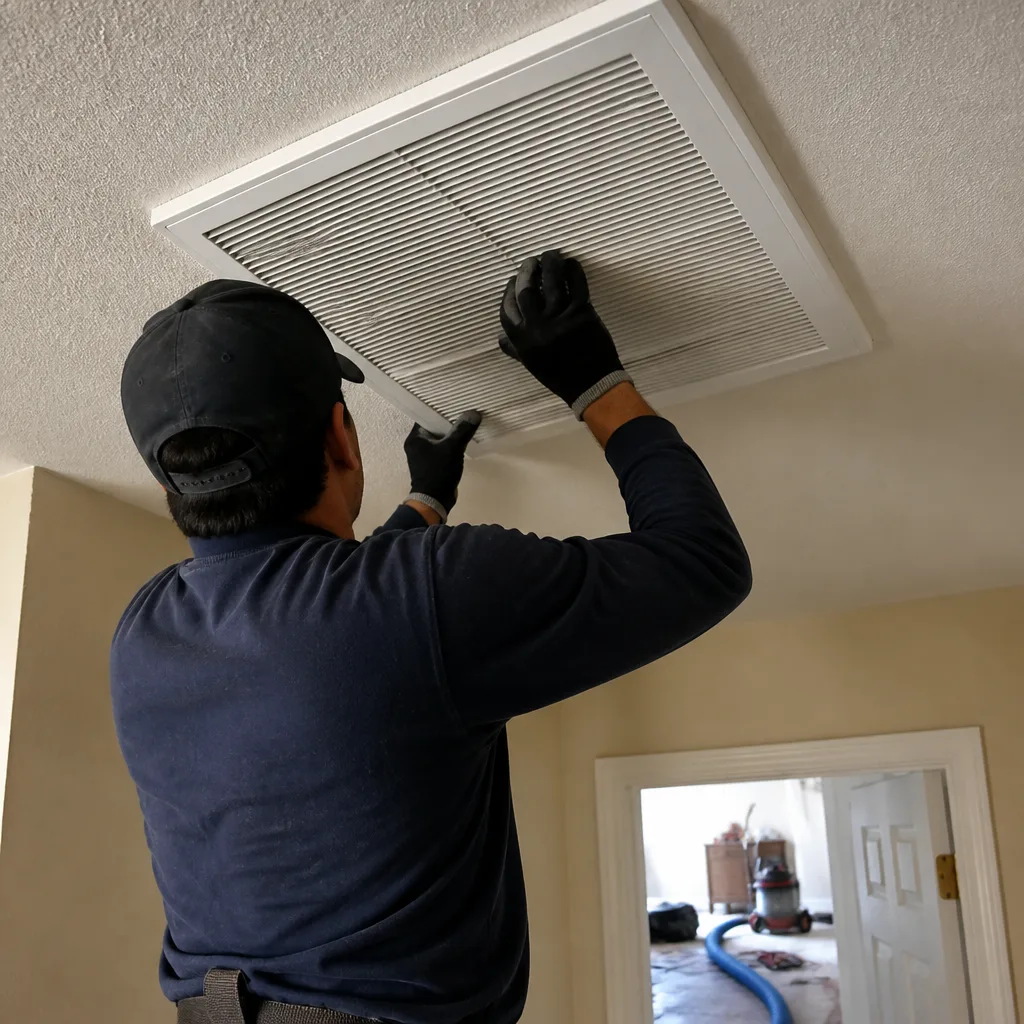
- Blackening on the visible portion of return grilles. Remove a return grille and look at the edge of the filter slot and the duct opening behind it. Smoke residue often collects there first because the filter traps the largest particles at that point of entry.
- Rapid filter darkening after replacing. If you install a fresh filter in early October and it’s visibly gray or brown by mid-November, that’s a signal the system is still moving smoke particulate through the return air stream.
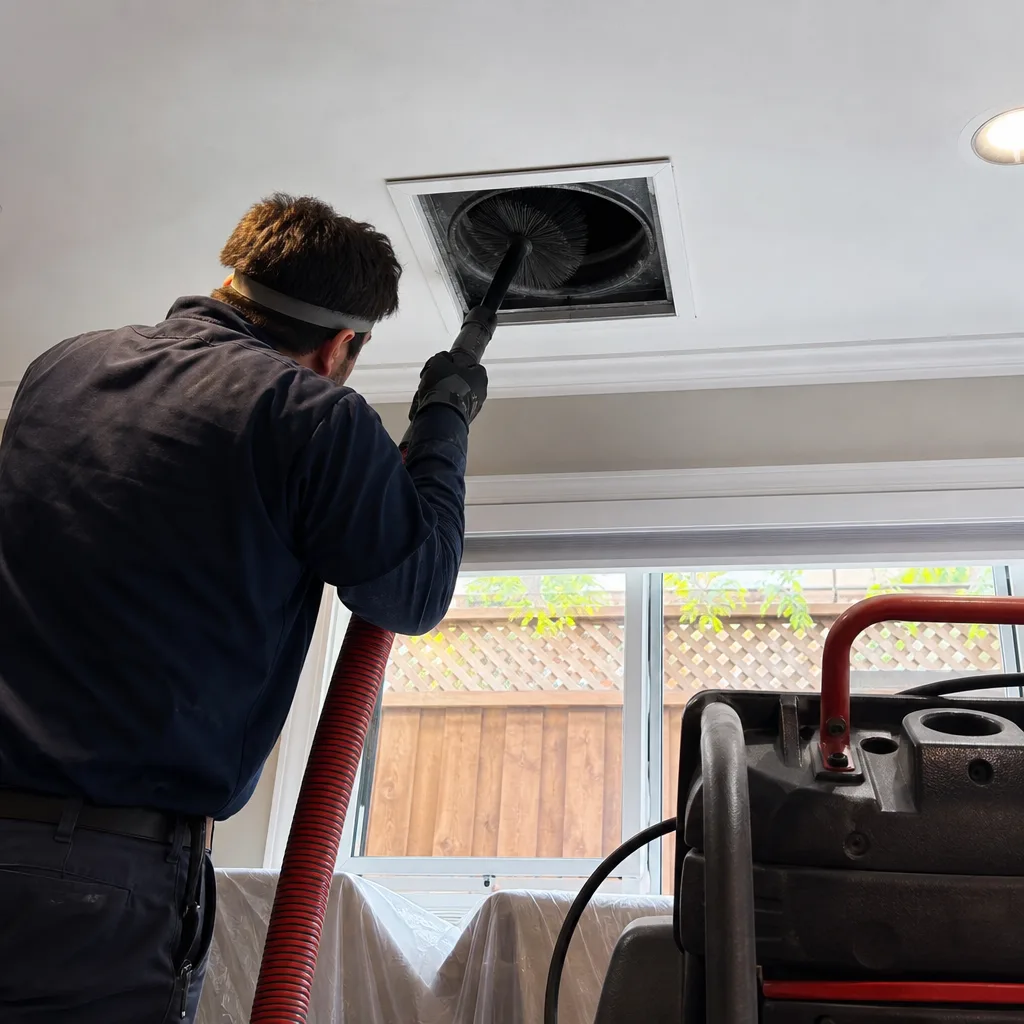
The 30-day window after the last significant smoke event matters because that’s when the residue is still relatively loose. A professional-grade cleaning system like the Rotobrush can dislodge and extract smoke particulate effectively at that stage. If it’s left in place through a heating season and a cooling season, it becomes part of a caked layer that’s harder to remove. Sacramento doesn’t face this particular window the way Santa Clara does. Neither does most of the country. If you’re in Santa Clara and you did nothing else for your ducts all year, doing a post-smoke-season assessment in early November would still put you ahead of the game; see our Air Duct Cleaning Emergency Preparedness Guide for Santa Clara Homes for what to watch.
January and February: Rainy Season Condensation and Crawl Space Duct Risks
Santa Clara receives roughly 15 inches of rain in a typical year, and nearly all of it falls between November and March. That’s not a lot of rain by national standards, but it’s enough to create a specific problem in homes with crawl space ducting. During a wet January stretch, the soil beneath your home becomes saturated. As the ground warms slightly during the day and cools at night, moisture rises from the soil into the crawl space air. If the crawl space isn’t sealed and conditioned, that damp air makes contact with the exterior of your ductwork, and condensation forms on the metal shell.
This is where the age of Santa Clara’s housing stock becomes relevant. Older ranch-style homes in the neighborhoods off Scott Boulevard, or along Monroe Street between San Tomas Expressway and Lawrence Expressway, often have their supply ducts running through open crawl spaces. The ducts themselves may have been wrapped in fiberglass insulation decades ago. Over time, that insulation wrap sags, tears, or gets disturbed by pests, exposing bare metal duct surfaces. When condensation forms on exposed metal, it does two things. It makes dust stick to the duct’s exterior more aggressively, and over repeated wet seasons, it can initiate surface corrosion. We’ve inspected ducts in Santa Clara where the exterior had a fine bloom of rust from nothing more than decades of winter condensation cycles.
What can you check yourself during a rainy January or February? Safety first: this checklist is about observation, not entry. Do not enter a crawl space without proper protective gear and a clear understanding of the hazards. With that said:
- Listen for dripping inside the return chase. If you can hear a faint tick of water dripping when the system is off, that’s often condensation forming inside the return plenum or a supply run, not an actual leak from a pipe.
- Look for water stains on ceiling drywall near supply vents. Condensation on the exterior of a duct in an unconditioned attic can drip onto drywall during cold snaps. A faint ring of discoloration around a vent is a tell.
- Check registers in rooms you rarely use. Spare bedrooms, closets with ducted vents, or a home office above a garage are places where condensation issues go unnoticed for months. In January, open those registers and look inside with a flashlight. Any visible moisture or dark staining is worth a professional look.
- Note any musty smell that’s stronger on wet days. If the smell in a particular room intensifies when rain has been falling for two or three days, it’s often a crawl space humidity issue interacting with dust and debris inside the duct system.
For homes with exposed crawl space ducting that’s showing its age, this is the time of year to plan an air duct repair assessment. We routinely find sections of duct that have separated at the seams from years of moisture-related expansion and contraction. When a duct separates even by a quarter inch, the system pulls crawl space air into the supply stream, which means whatever is in the crawl space is coming through your vents. In a Santa Clara winter, that means damp, musty, particulate-laden air.
Spring: South Bay Construction Season and Filtration Load
Unlike the rest of the country, where spring means opening windows and clearing out winter dust, spring in Santa Clara means the start of the region’s heavy construction season. The weather turns dry enough for big site work, and the tech corridor’s building boom kicks into gear. From the ongoing development around the Santa Clara Square area to smaller residential teardowns and rebuilds in established neighborhoods, the air carries a finer and more abrasive particulate load than it does in winter. Most of that dust is silica-based, which means it’s harder than the organic lint and fiber material that makes up the bulk of household dust. It wears on blower motor bearings, collects in a thicker layer on duct walls, and clogs filters far faster.
Here’s what that means for your duct system in March, April, and May:
- Filters load faster. If you normally change a 1-inch filter every 90 days, a construction-heavy spring in Santa Clara may require changes every 30 to 45 days. Check your filter monthly from March through June. A filter that’s fully loaded is a filter that’s letting air bypass it, and that bypass air carries whatever particulate is in the duct system straight into your living space.
- Return air grilles collect a gray film sooner. Construction dust is heavier and more visible. If you wipe a damp white cloth across a return grille and it comes back gray-brown, that’s the spring particulate load collecting somewhere in the system, too.
- The system needs to work harder. A layer of fine construction dust on the evaporator coil reduces the coil’s ability to transfer heat, which means the AC works harder when you finally start it in summer. We’ve measured measurable airflow reductions in Santa Clara homes where the ducts and coil hadn’t been addressed since a nearby construction project wrapped.
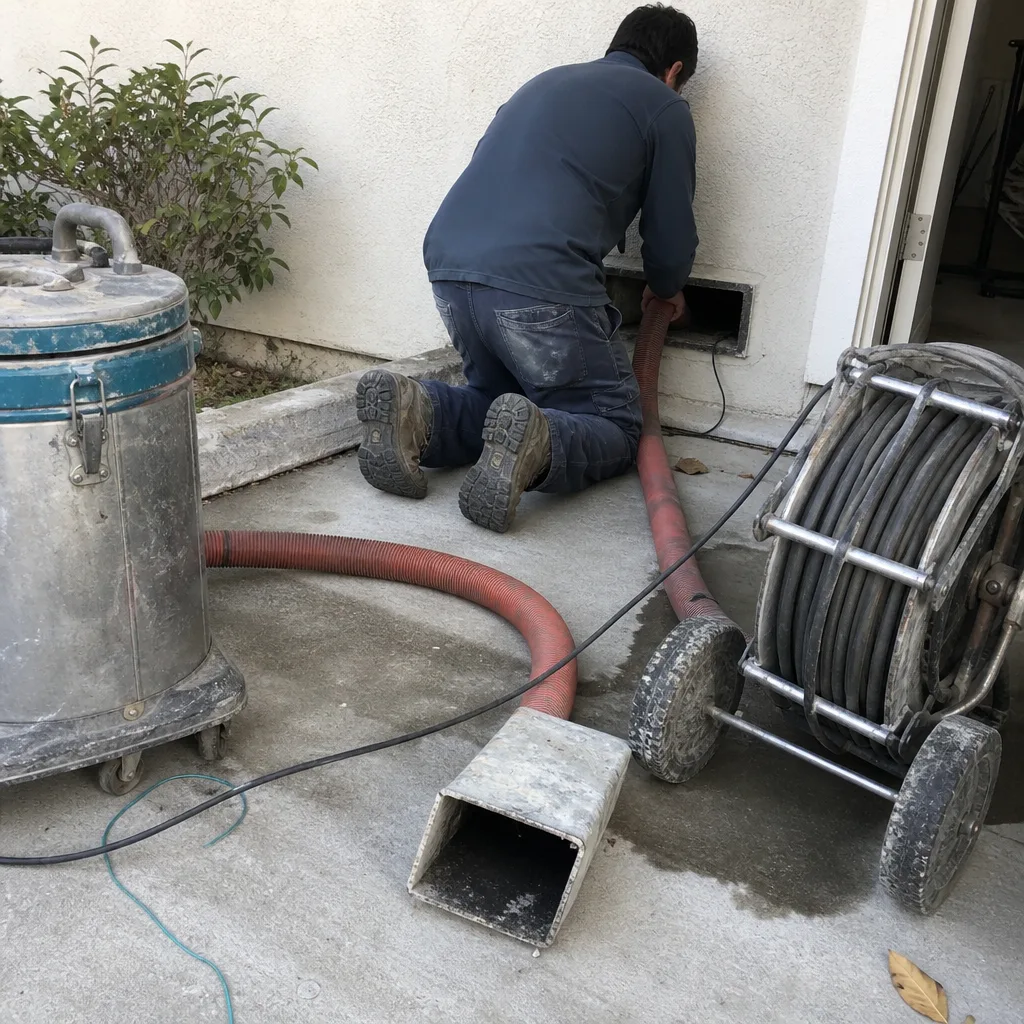
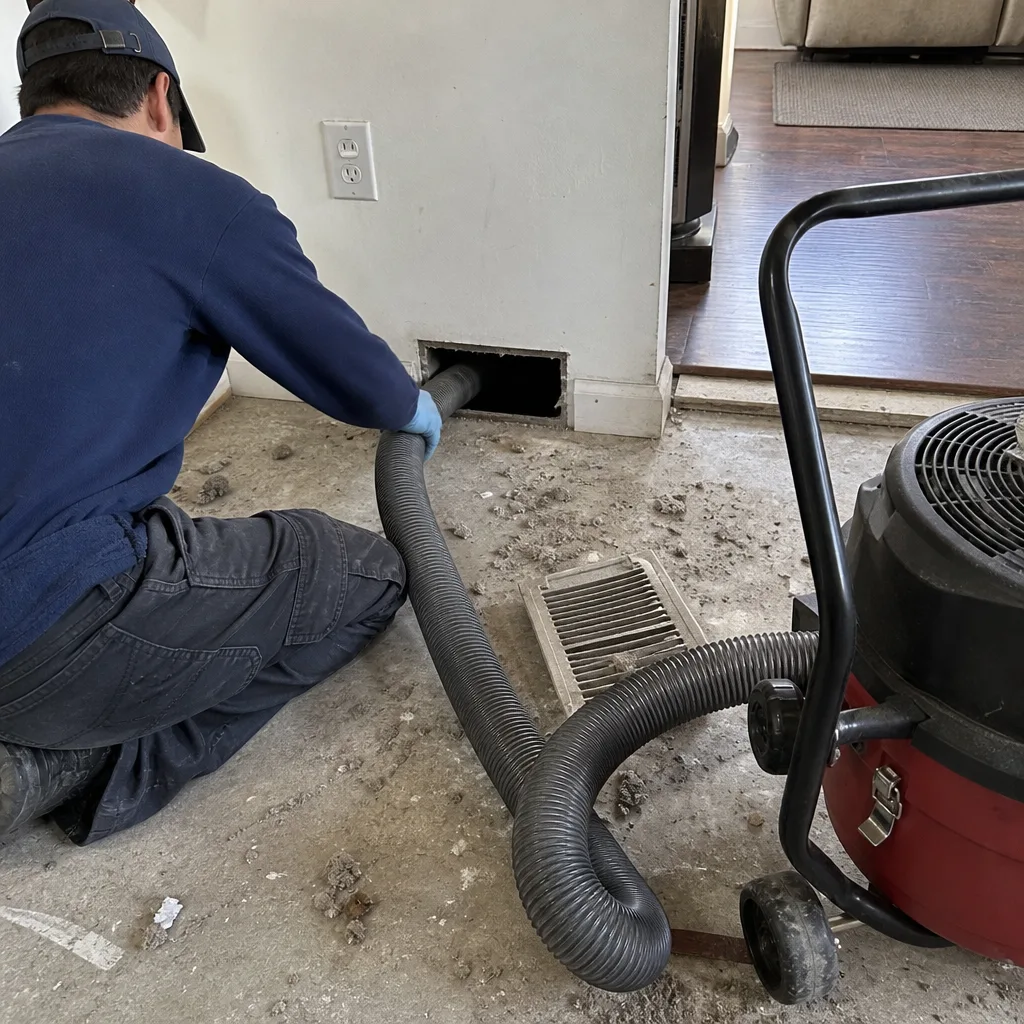
Spring is also the right time to consider a full air duct cleaning in Santa Clara if you’ve been waiting for the right moment. The logic is simple: you want the system clean before the heavy cooling season, not after a full summer of moving that construction dust across the coil every time the AC cycles. We use Nikro and Rotobrush equipment for these jobs, and the difference between those commercial-grade systems and a portable shop-vac setup shows up most clearly when the duct contamination is fine construction dust. The fine particulate is the hardest to remove, and it’s the material that makes the biggest difference in how the system runs.
Summer: The AC Startup Check You Shouldn’t Skip
Santa Clara summers are warm, but not Phoenix-style hot. That’s part of why the air conditioning startup check matters so much. In a harsher climate, homeowners are forced to run their AC early and often, which means problems surface quickly. Here, many homes go without AC for weeks or even months at a stretch. When the first real heat wave arrives in June or July, the system has been dormant. Anything that settled into the ducts during spring, especially construction dust, gets pushed through the system in a single concentrated burst.
There’s one specific thing to verify before the first cooling run of the season, and most homeowners skip it. Check the condensate drain line and the area around the indoor air handler for signs of biological growth or standing moisture. Here’s why this matters in Santa Clara specifically. The cooling season pulls moisture out of the air and condenses it on the evaporator coil. That moisture drains through a line that runs outside the home. If dust from spring construction has accumulated on the coil or inside the drain pan, it creates a sludge that can back up the drain line. The result is standing water inside the air handler cabinet, which becomes a humidity source that interacts with any debris already inside the ductwork. In a duct system that’s never been properly cleaned, that’s how you end up with a persistent musty smell that seems to come from every vent at once.
Here’s a quick pre-summer startup sequence:
- Replace the filter before the first cooling cycle. A fresh filter reduces the amount of spring dust that gets pulled into the coil and drain pan in the first place.
- Run the cooling system for 15 to 20 minutes. Set the thermostat 5 degrees below the indoor temperature and let it cycle. Listen for any sound that suggests water is sitting where it shouldn’t be, like a gurgle or a dripping sound from the air handler cabinet.
- Check the exhaust from the condensate line. You’re looking for a slow, steady drip outside. If the line is dry during cooling operation, the drain path is blocked.
- Take note of any odor during the first cycles. The first cooling cycle of the year will often smell “off” as dust burns off the coil. But if that smell persists after two or three full cycles, it’s not just seasonal dust. It’s accumulated material inside the ducts.
One more specific note about Santa Clara summers. Because summer nights can still drop into the 50s, some homeowners run their AC during the day and open windows at night. That cycling pattern creates temperature swings inside the duct system that cause the metal to expand and contract. In an older duct system, especially one that has experienced winter condensation in the crawl space, those swings accelerate the separation of joints and seams. If you notice that certain rooms never cool properly while others are fine, that’s often an early sign of a duct separation, not a refrigerant problem.
How to Build a Rolling 12-Month Duct Maintenance Log
The most useful thing you can do for your duct system is not another inspection. It’s a log. A simple rolling record of what you observe, what you change, and what changes in your home’s environment will make every future service call faster and more accurate. It also gives a professional technician something concrete to work from, rather than asking you to remember whether the musty smell started before or after the kitchen remodel.
Here’s how to set it up:
- Use a simple notes app or a paper notebook. The format matters less than the consistency. You need a single place where every observation goes.
- Record filter changes with dates. Each time you swap a filter, write down the date and a one-word description of the old filter’s condition: clean, loaded, gray, brown, oily. That filter condition is the earliest warning system your ducts have.
- Note any local events that affect air quality. Wildfire smoke weeks, major construction activity in your neighborhood, even a neighbor’s roof replacement. You’re building a record of what the system has been exposed to.
- Log any odor or symptom changes. If a smell appeared in the living room on a rainy day, write it down. If the AC smelled musty on first startup in June, write it down. Patterns will emerge that you can’t see from a single observation.
- Take photos of return grilles and filter slots twice a year. A photo from February next to a photo from August tells a story that words can’t. The visual comparison will show you when a layer of dust is building up that would otherwise be invisible to a daily pass.
- Record any service visits, including what was done and what was found. If a technician replaces a section of duct, write down which section and when. If a dryer vent is cleaned, note the date and how much lint came out.
When you eventually bring in a professional for a dryer vent cleaning or a full duct inspection, that log gives them a timeline. It tells them what the system has been through in the last 12 to 24 months, which is information that no camera inspection on its own can provide. The result is a more focused visit, less time spent chasing ghosts, and a more accurate diagnosis of whatever the system is doing. We’ve used customer maintenance logs more than once to identify the exact window when a duct separation occurred, because the homeowner’s note about a sudden loss of airflow in one bedroom, tied to a date, told us exactly which seam to inspect.
Common Mistakes to Avoid
- Following a national seasonal checklist. The standard “clean in spring, change filters in fall” calendar ignores Santa Clara’s actual pressure points. The wildfires, the construction season, and the winter crawl space humidity are our real seasonal forces. A generic plan addresses none of them.
- Assuming a clean AQI means clean ducts. The air quality index measures what’s outside right now, not what has deposited inside your ductwork over the preceding weeks. A green AQI in November does not mean the smoke that settled in October is gone.
- Only checking filters when they look dirty from across the room. A filter that looks “fine” at first glance can still be loaded enough to cause bypass airflow. Check filters monthly during high-load months, not quarterly as a default.
- Ignoring rooms you rarely use. A spare bedroom or a closed-off office with a ducted vent is a blind spot. Condensation or dust accumulation in those rooms can be the first sign of a larger issue, but it goes unnoticed because the room is never occupied.
- Treating a musty smell as a normal quirk of an older home. A persistent musty odor that changes with the weather or appears when the system runs is a data point. It usually has a specific source, and that source is often in the crawl space or inside the ductwork.
- Putting off evaluation because a duct cleaning coupon came in the mail. The low-ball prices in those mailers are written for a different kind of service call. A legitimate professional using commercial-grade equipment will quote a different number than a 30-minute shop-vac pass. The duct system in your home is decades old in many Santa Clara houses. It deserves an honest assessment, not a teaser price.
- Skipping the dryer vent in a duct maintenance plan. The dryer vent is part of the air pathway out of your home, and it’s the one component that carries a genuine fire risk. Lint accumulation interacting with heat from the dryer is a known risk factor. If you’re making a seasonal commitment to your ducts, include vent cleaning in the schedule.
When to Call a Professional
Some things you can observe, log, and track. Some things should be immediately referred to a professional with the right equipment. If you see visible mold growth inside a duct opening, if you notice a persistent burning smell when the system runs, if the airflow to one or more rooms drops suddenly, or if your dryer vent has not been cleaned in over a year, call a professional. These are not conditions that resolve themselves, and several of them get worse the longer they sit. Heritage Duct Cleaning uses commercial-grade Rotobrush and Nikro systems for duct cleaning and repair work across Santa Clara, and we include Abatement Technologies equipment for heavier contamination situations. If you’re in Santa Clara and want an honest assessment of what’s happening inside your ducts, call (855) 550-3778 for a free estimate.
Frequently Asked Questions
A reasonable baseline for a Santa Clara home is every three to five years, but that assumes no major wildfire smoke exposure and no nearby construction. If a smoky autumn or a season of heavy construction dust has coated the inside of your system, an earlier cleaning is justified. The condition of your filters and any odor on startup will tell you more than a calendar can. Call (855) 550-3778 to get a straight answer about whether your ducts need service.
The filter catches a portion of the smoke particulate while it’s suspended in the air, but pores in a typical 1-inch filter are large enough for smoke particles to pass through. Once those particles are past the filter, they settle inside the return duct, the blower housing, and the supply runs. The filter helps, but it does not make the system smoke-proof.
The equipment, mostly. A low-cost service often uses a portable vacuum and a brush that cannot agitate and extract fine material deep inside duct runs. A professional service using Rotobrush or Nikro systems agitates the duct walls and extracts the loosened material with enough airflow to remove it from the system, not just loosen it. The difference is visible in the results, especially when the contamination is fine construction dust or wildfire smoke residue.
The rain itself isn’t causing the smell. The moisture from a wet crawl space is. When the ground under your home is saturated, humidity rises and interacts with dust and debris on and inside your ducts. If the smell spikes during rainy days, the source is likely in the crawl space or in the duct system, not in the living space itself.
The equipment available at a hardware store isn’t designed to reach into the main trunk lines of a residential duct system with enough force to dislodge and extract the fine material that matters. You can clean your registers and the first few inches of visible duct, but that’s not where the accumulation lives. For anything beyond surface decor, use professional equipment or leave it alone.
It can, specifically when the evaporator coil has a layer of dust and debris on it. A dirty coil transfers heat less efficiently, which means the system runs longer to achieve the same cooling. Cleaning the ducts and the coil together removes that inefficiency. The effect is measurable, though smaller than the comfort and air quality improvements most homeowners notice first. For a precise quote on duct work in Santa Clara, call (855) 550-3778.
The Bottom Line
Santa Clara’s duct care calendar was never meant to look like the one in a national home maintenance guide, because Santa Clara’s air doesn’t behave like the air in most of the country. Wildfire smoke in autumn, winter condensation in crawl spaces, spring construction dust, and summer startup builds each leave their own mark on the system. Tracking those seasonal forces with a simple log, checking the right things at the right times, and calling in professional-grade equipment when the system needs real cleaning will keep your ducts cleaner, longer. If you’re ready to see what’s actually inside your ducts, Heritage Duct Cleaning is ready to walk you through it, and you can find more guides & resources on our blog. Call (855) 550-3778 for a free estimate in Santa Clara.
Written by the team at Heritage Duct Cleaning, serving Santa Clara since 2015.
See the difference
 Before
 After
 Before
 After
 Before
 After